
The Principles of Designing and Maintaining a Minimalist Home Aesthetic
A minimalist home aesthetic represents a design philosophy centered on simplicity, intentionality, and functionality, extending beyond mere visual appeal to influence daily living. This approach involves a conscious reduction of non-essential items, emphasizing clear spaces, thoughtful organization, and a focus on quality over quantity. Originating from artistic and architectural movements, minimalism in a residential context seeks to create environments that promote tranquility, reduce visual noise, and enhance the appreciation of essential elements. This article explores the foundational principles of minimalist home design, offers practical strategies for implementation across various living areas, and discusses methods for sustaining this aesthetic over time.
Historical Context and Evolution of Minimalism
Minimalism's roots can be traced back to various artistic and architectural movements of the early to mid-20th century. Influences from Japanese traditional design, particularly Zen philosophy, which emphasizes simplicity, natural materials, and the beauty of empty space, played a significant role. In the Western world, movements like De Stijl and Bauhaus championed clean lines, geometric forms, and functionality. Artists such as Donald Judd and Agnes Martin further explored reduction and essence. These influences gradually permeated interior design, transforming from a niche artistic expression into a broader lifestyle movement that values clarity, order, and a deliberate absence of excess in living spaces.
Core Principles of Minimalist Design
Intentionality
At the heart of a minimalist home is intentionality. This principle dictates that every object within a space should serve a clear purpose, hold sentimental value, or contribute positively to the aesthetic. It encourages a mindful approach to acquisitions and a critical evaluation of existing possessions, ensuring that the environment is curated rather than merely accumulated. The presence of each item is a deliberate choice, reflecting a desire for order and meaning.
Clutter Reduction
Clutter reduction is a fundamental aspect of the minimalist aesthetic. This involves consistently clearing surfaces, organizing items within designated storage, and regularly removing anything that is no longer needed or used. The objective is to create an environment where visual distractions are minimized, allowing for mental clarity and a sense of calm. Thoughtful storage solutions, often concealed, play a crucial role in maintaining clear and unobstructed spaces.
Functional Simplicity
Functional simplicity prioritizes utility and straightforward forms in furniture and decor. Pieces are selected for their practical purpose and their ability to integrate seamlessly into the overall design without unnecessary ornamentation. Multi-functional furniture, for instance, maximizes utility in smaller spaces, embodying the principle of doing more with less. The design elements are often streamlined, featuring clean lines and unembellished surfaces.
Neutral Color Palettes
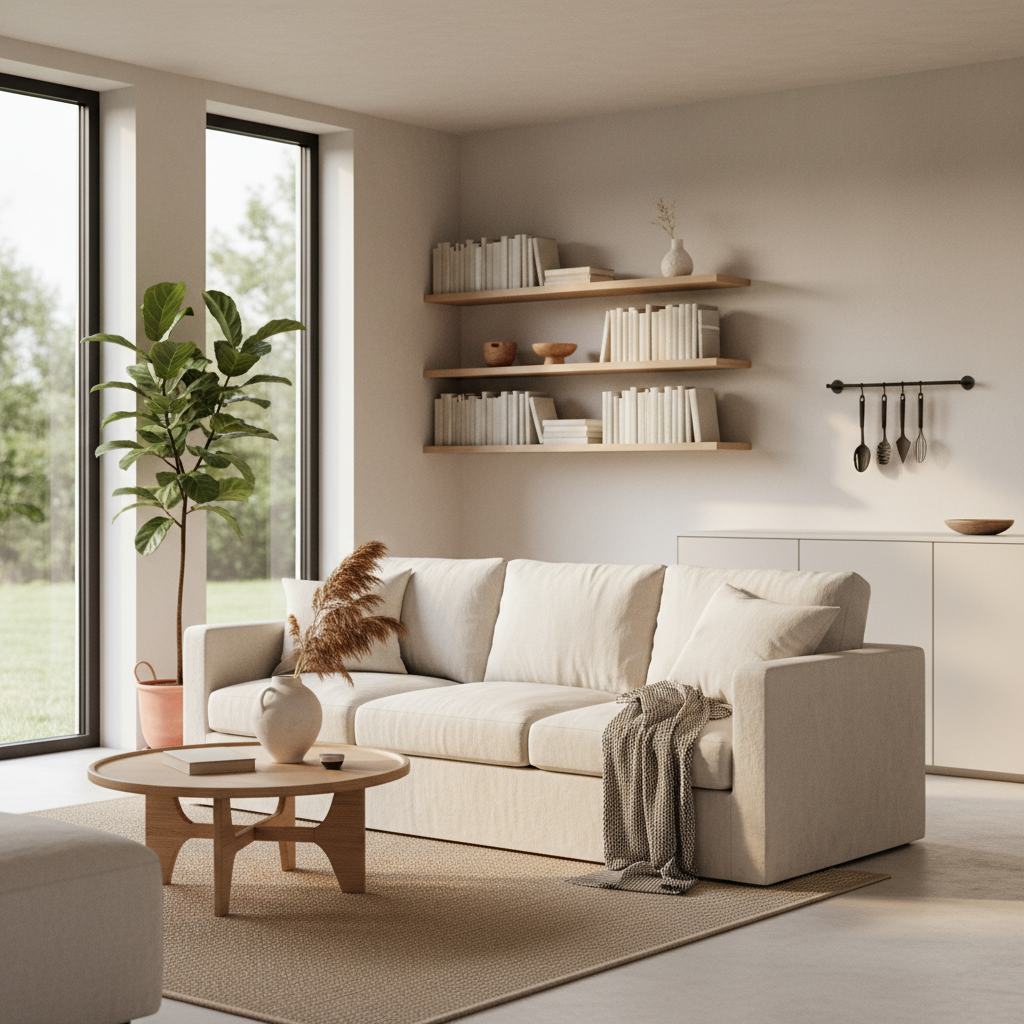
Minimalist interiors frequently employ neutral color palettes, including shades of white, beige, gray, and subtle earth tones. These colors contribute to a serene and expansive atmosphere, making spaces appear larger and more open. The absence of bold, distracting colors allows for textures, natural light, and the carefully selected objects to become focal points. Occasionally, a single muted accent color may be introduced to add depth without compromising the overall calm.
Quality Over Quantity
This principle advocates for investing in fewer, high-quality items that are durable, well-crafted, and aesthetically pleasing. Rather than filling a space with numerous inexpensive objects, a minimalist approach suggests selecting pieces that will stand the test of time both in terms of construction and timeless design. This not only supports sustainability but also enhances the overall refinement and longevity of the home environment.
Strategic Use of Space
Minimalist design emphasizes the strategic use of space, aiming to maximize open areas and facilitate a natural flow within the home. This involves careful furniture placement to ensure clear pathways and to avoid overcrowding rooms. Negative space, or the empty areas around and between objects, is considered an integral design element that allows the eye to rest and highlights the chosen furnishings and decor. The goal is to create an airy and unconfined feeling.
Natural Light Integration
Maximizing natural light is a significant component of a minimalist home. Large windows, sheer curtains, or the absence of heavy window treatments allow sunlight to flood interiors, enhancing the sense of openness and brightness. Natural light not only illuminates the space but also highlights textures and materials, contributing to a warm and inviting atmosphere. It helps to blur the lines between indoor and outdoor environments, promoting a connection with nature.
Applying Minimalist Principles to Different Home Areas
Living Room
In a minimalist living room, furniture is typically kept to essential pieces: a sofa, a coffee table, and perhaps one or two accent chairs. These items often feature clean lines and simple forms. Surfaces are maintained clear, with decorative elements limited to a few carefully chosen items like a piece of art or a plant. Storage solutions, such as built-in shelving or closed cabinets, are utilized to keep electronics, books, and other items out of sight, preserving visual tranquility.
Bedroom
The bedroom in a minimalist home is designed as a sanctuary for rest. The focus is on creating a calm and uncluttered environment. Essential furniture includes a bed, possibly nightstands, and a dresser or wardrobe. Bedding is often simple, in neutral colors, and free from excessive patterns. Personal items are kept to a minimum, and storage is prioritized to maintain clear surfaces and a serene atmosphere conducive to relaxation.
Kitchen
A minimalist kitchen prioritizes efficiency and ease of use. Countertops are typically kept clear, with appliances stored away when not in use. Utensils and cookware are organized within drawers and cabinets, often utilizing dividers and organizers to maximize space and maintain order. The emphasis is on having only the necessary tools and ensuring they are easily accessible, which streamlines cooking processes and simplifies cleaning.
Bathroom
In a minimalist bathroom, the focus is on cleanliness and functionality. Essential toiletries are organized in discreet storage, such as medicine cabinets or vanity drawers. Surfaces around the sink and shower are kept clear, with decorative items limited to perhaps a small plant or a high-quality hand soap dispenser. The overall aim is to create a hygienic and calming space that is easy to maintain.
Practical Strategies for Implementation
Decluttering Methodologies
Implementing minimalism often begins with a systematic decluttering process. Various methodologies exist, such as category-based decluttering or room-by-room approaches. These processes typically involve sorting items into categories like 'keep,' 'donate,' 'discard,' or 'repurpose.' The decision-making process for each item is guided by its utility, sentimental value, and contribution to the desired aesthetic. Consistency and patience are key during this initial phase.
Storage Solutions
Effective storage is crucial for a minimalist home. Solutions often involve built-in cabinetry, custom shelving, or furniture with integrated storage compartments. The objective is to contain items neatly and out of sight, preserving clear lines and open spaces. Vertical storage is frequently utilized to maximize space, especially in smaller residences, allowing for efficient organization without consuming valuable floor area.
Furniture Selection
When selecting furniture for a minimalist aesthetic, preference is given to pieces with simple forms, clean lines, and neutral colors. Materials such as natural wood, metal, or upholstered fabrics with minimal texture are common. Multi-functional pieces, like ottomans with storage or convertible tables, are highly valued for their ability to serve multiple purposes while maintaining a streamlined appearance. The size of furniture is also considered to ensure it fits proportionately within the space.
Material and Texture Considerations
While minimalist design emphasizes simplicity, it does not imply a lack of warmth or character. Depth and interest are introduced through the strategic use of materials and textures. Natural materials like wood, stone, linen, and wool contribute tactile qualities and visual richness without adding clutter. Contrasting smooth surfaces with textured elements, such as a woven rug or a ceramic vase, can create subtle layers of complexity within the simplified aesthetic.
Maintaining a Minimalist Home Environment
Routine Organization Practices
Maintaining a minimalist home involves establishing routine organization practices. This can include daily habits such as putting items back in their designated places immediately after use, clearing surfaces at the end of each day, and tidying common areas. Weekly routines might involve more thorough cleaning and organizing tasks, ensuring that clutter does not accumulate over time. Consistency in these practices helps to preserve the intended aesthetic.
Mindful Consumption
Mindful consumption is a key strategy for preventing new clutter. Before acquiring any new item, a deliberate assessment is made regarding its necessity, purpose, and how it will integrate into the existing minimalist environment. This approach helps to reduce impulse purchases and ensures that only items that truly add value or functionality are brought into the home. It encourages a deeper appreciation for possessions.
Regular Review and Purging
Periodically reviewing and purging belongings is an essential part of maintaining a minimalist home. This might involve a seasonal or annual assessment of all items to identify anything that is no longer used, needed, or appreciated. The process of letting go of excess is ongoing, ensuring that the home remains true to its minimalist principles. This practice helps to re-evaluate needs and prevent the gradual accumulation of clutter.
Benefits of a Minimalist Home
A minimalist home offers several benefits. The reduced visual noise contributes to a calmer and more serene living environment, which can positively impact mental well-being and reduce stress. Fewer possessions generally result in easier and quicker cleaning and maintenance, freeing up time and energy. The emphasis on intentionality can lead to a greater appreciation for the items that are kept and a clearer understanding of personal values. Furthermore, a well-organized, uncluttered space can enhance focus and productivity within the home.
More from home living
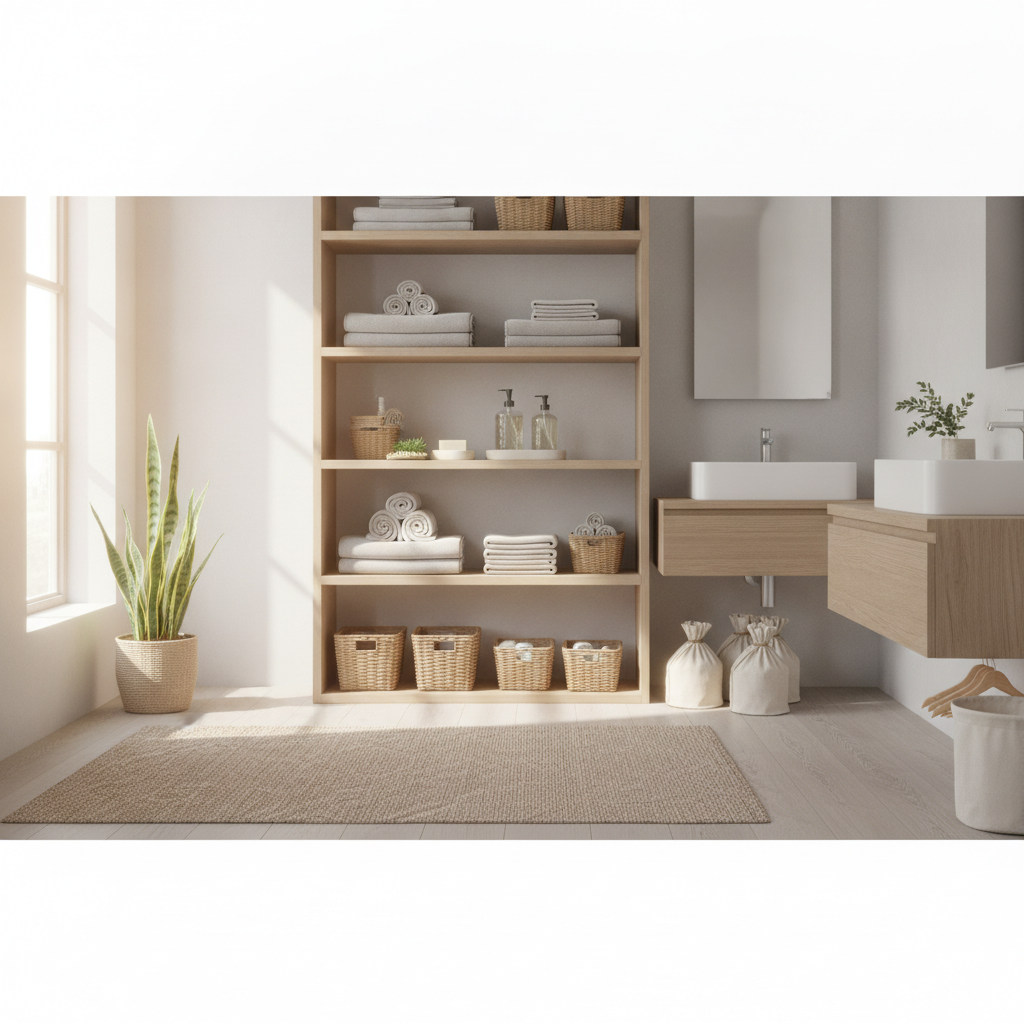
Smart Strategies for a Seamlessly Organized Bathroom Space
Transform your bathroom from cluttered chaos to a serene, functional space. Discover practical methods for organizing toiletries, linens, and cleaning supplies, enhancing daily routines and maintaining a tidy environment with ease.
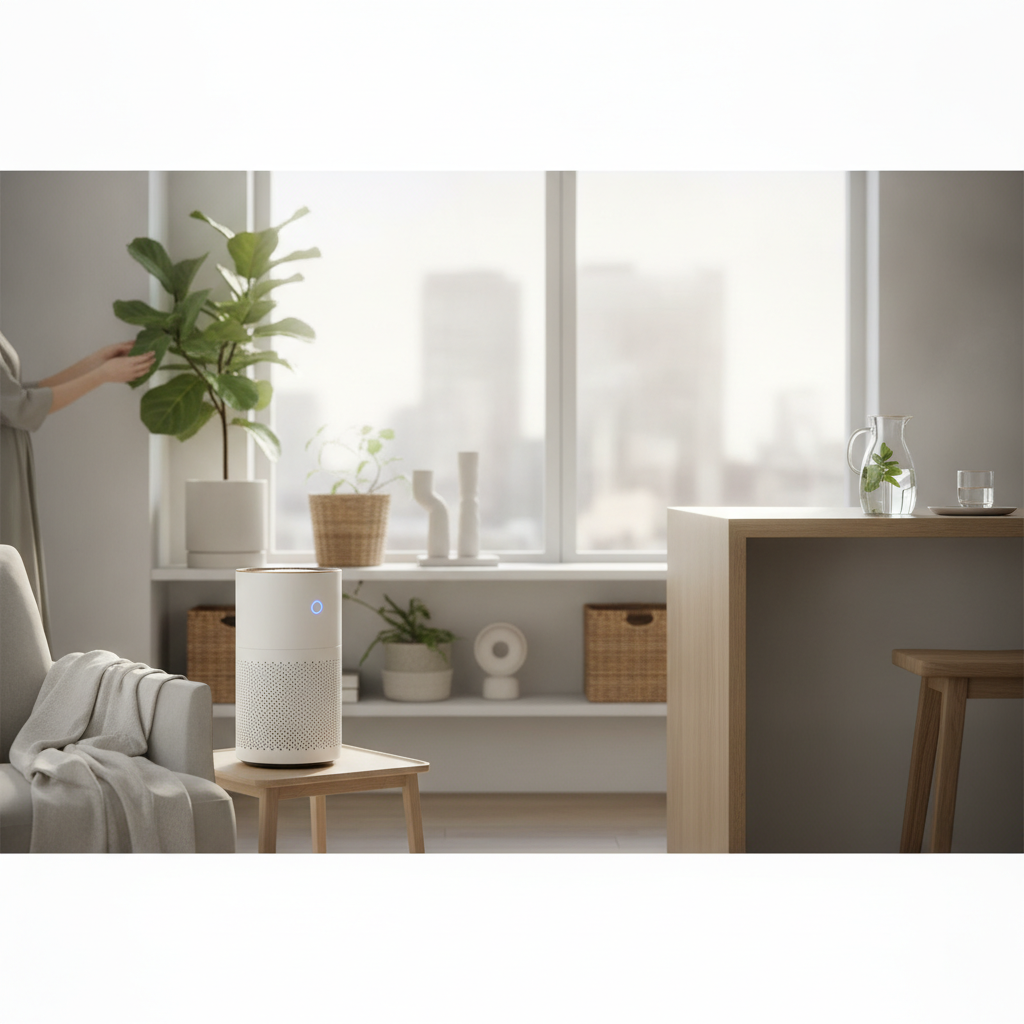
Selecting and Using Efficient Air Purifiers for Improved Indoor Air Quality
Discover how air purifiers can significantly enhance your home's indoor air quality. Learn about common pollutants, essential filtration technologies, and key factors for choosing the right device to create a healthier living environment.
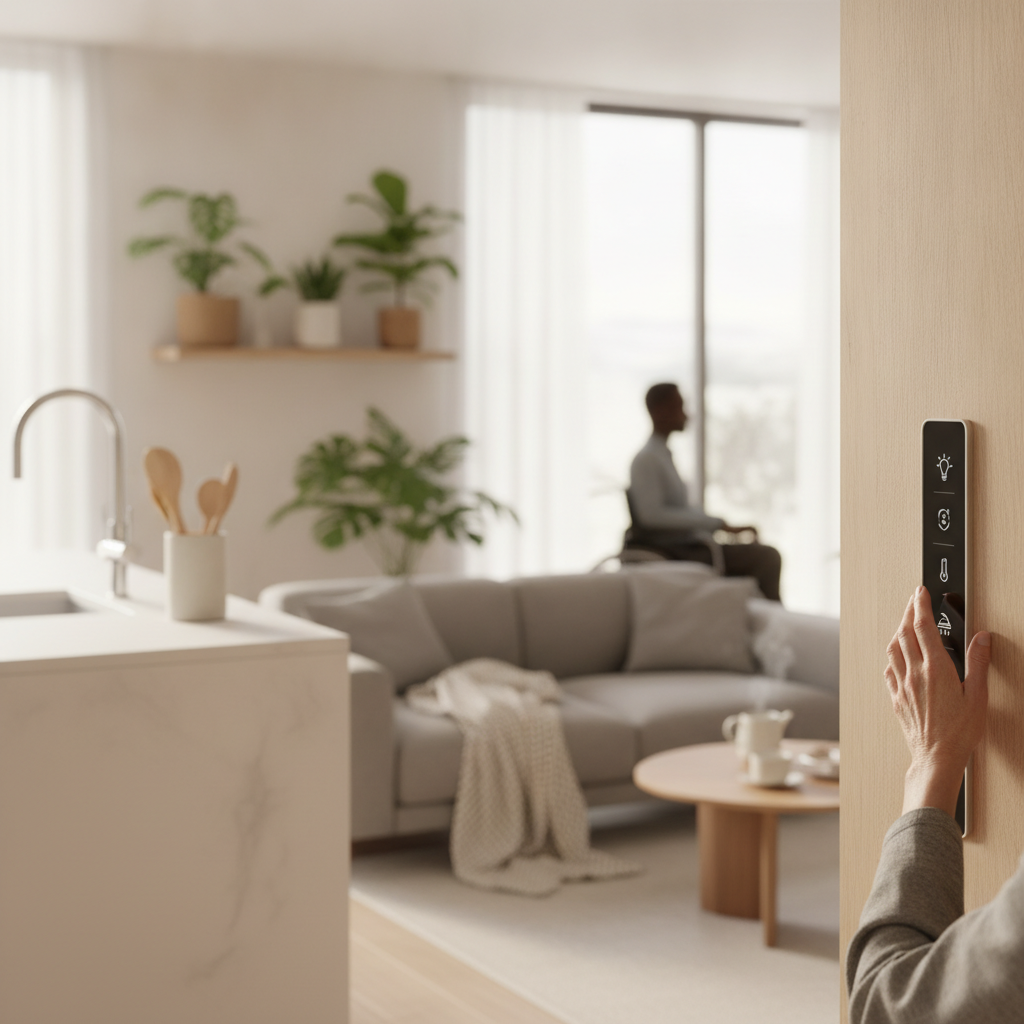
Smart Home Solutions for Enhanced Accessibility and Independent Living
Discover how smart home technology can significantly enhance accessibility and foster independent living for individuals of all abilities. Explore practical solutions for greater comfort, safety, and convenience in your daily routines.
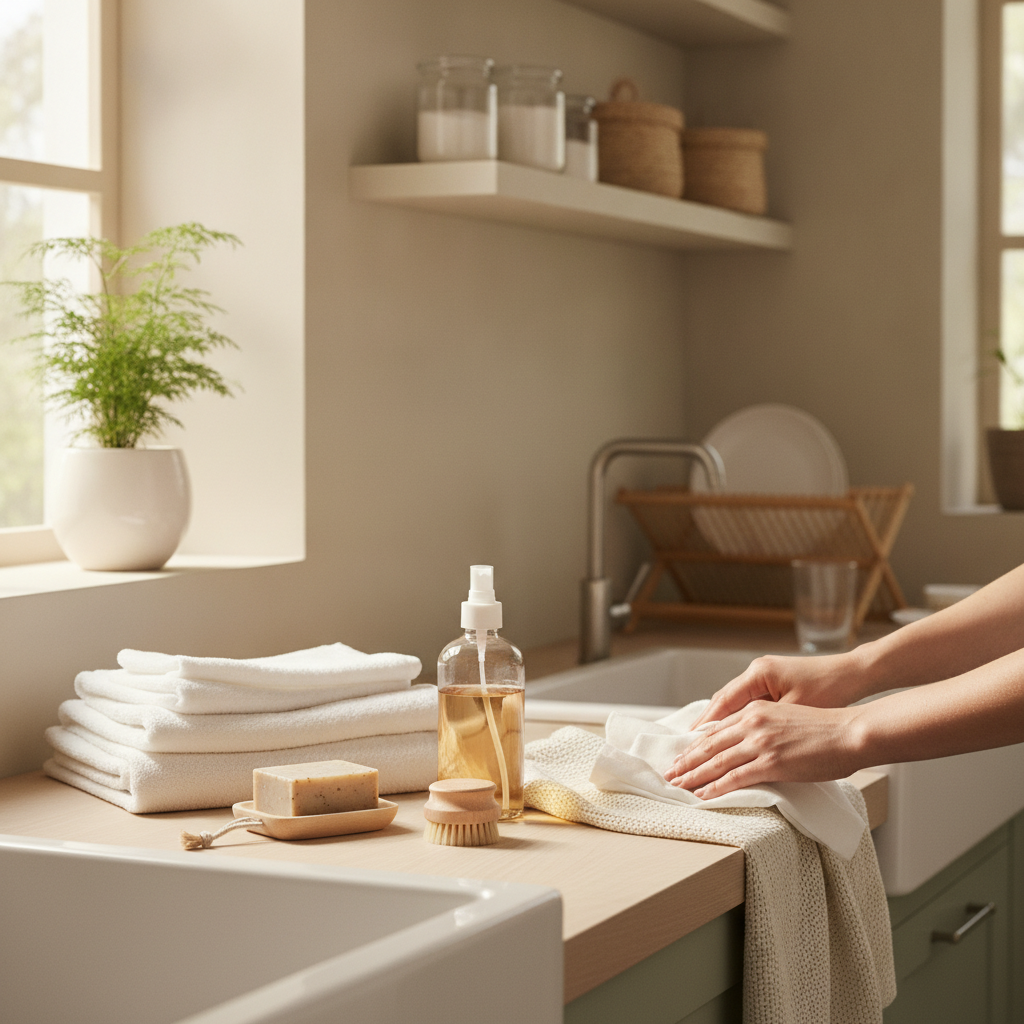
Mastering Stain Removal: A Guide to Restoring Household Fabrics and Surfaces
Discover practical strategies for tackling common household stains on various fabrics and surfaces. This comprehensive guide provides actionable advice to help maintain the cleanliness and appearance of your home effectively.