
Revitalizing Old Furniture: An Accessible Guide to Upcycling for Modern Spaces
Transforming old, overlooked furniture into modern, functional pieces is a rewarding endeavor that offers numerous benefits. Upcycling not only provides a sustainable alternative to buying new but also allows for the creation of unique, personalized items that reflect individual style. With a blend of creativity, practical skills, and a few essential tools, anyone can embark on a journey to revitalize their home decor without a significant financial outlay.
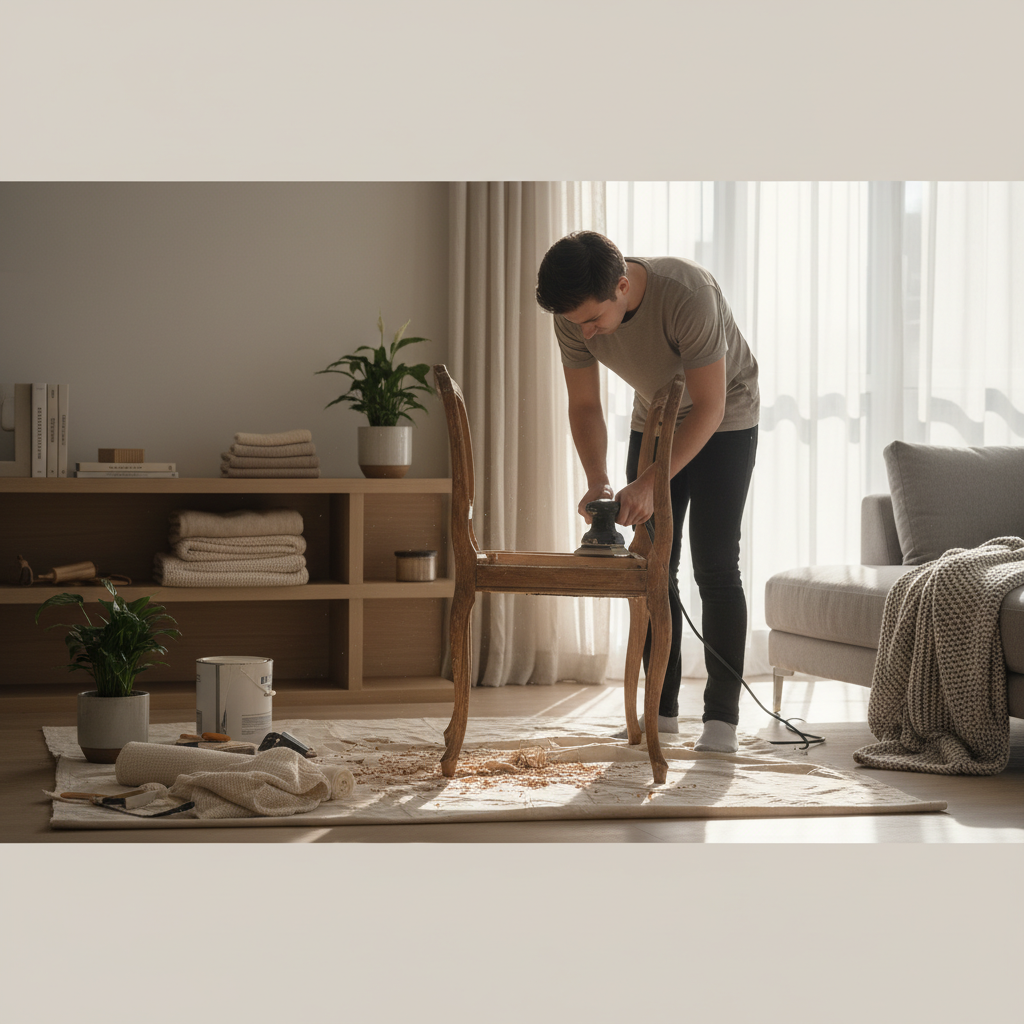
This approach emphasizes thoughtful consumption, giving new life to items that might otherwise be discarded. From a weathered wooden chest becoming a chic coffee table to a tired dresser reimagined as a bathroom vanity, the possibilities for reinvention are extensive. This guide aims to demystify the upcycling process, offering practical steps and design insights to help you achieve professional-looking results.
Why Upcycle? The Benefits Beyond Aesthetics
Upcycling furniture is more than just a creative hobby; it is a conscious choice with tangible advantages for both the individual and the environment. Understanding these benefits can inspire and motivate you through your projects.
Environmental Impact
One of the most significant advantages of upcycling is its positive environmental impact. By repurposing existing items, you reduce the demand for new manufactured goods, which in turn conserves natural resources and minimizes waste sent to landfills. It lessens the carbon footprint associated with production, transportation, and disposal of furniture, contributing to a more sustainable lifestyle.
Cost Savings
Furnishing a home can be expensive, especially when seeking unique or high-quality pieces. Upcycling offers a budget-friendly solution, allowing you to acquire furniture at a fraction of the cost of new items. With a modest investment in materials like paint, sandpaper, and new hardware, an old piece can be transformed into something stylish and functional, saving money that can be allocated elsewhere.
Personalization and Uniqueness
Mass-produced furniture often lacks character. Upcycling provides an opportunity to infuse your personality into your living space. Each upcycled piece tells a story and is unique, often becoming a conversation starter. You can choose specific colors, finishes, and embellishments that perfectly complement your existing decor or introduce a fresh new aesthetic.
Planning Your Upcycling Project
Successful upcycling begins with careful planning. A well-thought-out approach ensures that your efforts yield the desired results and minimizes potential frustrations.
Assessing the Piece: Is It Worth It?
Before committing to a project, thoroughly inspect the furniture. Evaluate its structural integrity; loose joints or significant damage that compromises stability may make a piece unsuitable. Solid wood or well-constructed veneered pieces are generally good candidates. Minor cosmetic flaws like scratches or dents are typically easy to fix, but extensive water damage or severe warping might be too challenging for a beginner.
Defining Your Vision: Style and Function
Consider how the piece will fit into your home and what function it will serve. Do you need a new storage solution, a decorative accent, or a functional workspace? Think about the existing decor in the room where it will reside. Will it be a bold statement piece or blend seamlessly? Decide on a style – modern, farmhouse, bohemian, industrial – that aligns with your overall aesthetic.
Gathering Inspiration: Mood Boards and Ideas
Look for inspiration online through platforms like Pinterest or Instagram, or in design magazines. Create a mood board with colors, textures, and images of styles you admire. This visual aid will help solidify your vision and keep your project focused. Don't be afraid to experiment with different ideas; sometimes the most unexpected transformations yield the best results.
Essential Tools and Materials
A basic toolkit for upcycling typically includes: sandpaper (various grits), a sanding block or electric sander, painter's tape, paintbrushes or rollers, primer, paint (chalk paint, latex, spray paint), clear topcoat or wax, wood filler, and protective gear (gloves, mask). Depending on your project, you might also need a screwdriver set, new hardware (knobs, pulls), or fabric if attempting minor upholstery.
The Upcycling Process: Step-by-Step
Once you have your piece and your vision, it's time to get to work. Following these steps will help ensure a smooth and successful transformation.
Preparation is Key: Cleaning and Repair
This is arguably the most crucial step. Start by thoroughly cleaning the furniture with a mild detergent and water to remove dirt, grease, and grime. Allow it to dry completely. Next, sand the entire surface. For previously finished pieces, a medium-grit sandpaper (120-150 grit) will scuff the surface, allowing new paint to adhere better. For raw wood, start with a coarser grit and progressively move to finer grits for a smooth finish. Fill any holes, cracks, or imperfections with wood filler, let it dry, and then sand smooth. Tighten any loose joints or hardware.
Disclaimer: Always prioritize safety when working with tools, paints, and chemicals. Ensure proper ventilation in your workspace and wear protective gear, such as gloves, eye protection, and a respiratory mask, as recommended by product manufacturers.
Priming for Success
Primer creates an ideal surface for paint adhesion and helps prevent stains or old finishes from bleeding through. For dark wood or glossy finishes, a good quality stain-blocking primer is essential. Apply one or two thin, even coats and allow sufficient drying time between coats and before painting, as per product instructions.
Painting Techniques for Different Finishes
- Brush Application: For a smooth finish, use a high-quality synthetic brush for latex or acrylic paints. Apply paint in thin, even coats, brushing in the direction of the wood grain. Multiple thin coats are always better than one thick coat.
- Roller Application: For larger, flat surfaces, a small foam roller can provide a very smooth finish with minimal brush marks.
- Spray Paint: For intricate details, quick coverage, or a perfectly smooth, factory-like finish, spray paint can be effective. Ensure an even application by keeping the can moving and spraying from about 8-12 inches away. Apply multiple light coats.
- Chalk Paint: Known for its matte, distressed look, chalk paint often requires minimal preparation (no sanding or priming needed for many surfaces). It's easy to work with and can be layered for depth.
Beyond Paint: Adding Character
Paint is a powerful tool, but other elements can elevate your piece:
- Stenciling: Add intricate patterns or designs to tabletops, drawer fronts, or side panels.
- Decoupage: Apply decorative paper, fabric, or even old maps to surfaces for a unique texture and visual interest.
- Hardware Replacement: New knobs, pulls, or hinges can dramatically update the look of a dresser, cabinet, or desk. This is a simple yet impactful change.
- Minor Upholstery: For chairs or benches, replacing old fabric with a fresh pattern can completely transform the item. This often involves basic tools like a staple gun.
Sealing and Protecting Your Work
Once your paint is dry and any embellishments are complete, apply a protective topcoat. This step is crucial for durability, especially for frequently used items. Options include a clear polycrylic (water-based for lighter colors to prevent yellowing), polyurethane (oil-based for durability, but can yellow), or furniture wax (often used with chalk paint for a soft, matte finish). Follow the product instructions for application and curing times.
Sourcing Furniture for Upcycling
Finding the right piece is part of the adventure. There are several excellent avenues for discovering potential upcycling projects.
Thrifting and Secondhand Stores
Charity shops, consignment stores, and vintage boutiques are treasure troves for unique furniture. Prices are often low, and you can find pieces with solid construction that just need a cosmetic update. Visit frequently, as inventory changes rapidly.
Online Marketplaces
Websites and apps like Facebook Marketplace, Craigslist, and local classifieds are excellent for finding free or low-cost furniture directly from individuals. You can often filter by location, making pickup convenient.
Estate Sales and Garage Sales
These sales can offer a wide variety of items, often including quality furniture at negotiable prices. Arrive early for the best selection and be prepared to haul items yourself.
Friends and Family
Don't underestimate the power of word-of-mouth. Let friends and family know you're looking for furniture. Often, people are happy to give away items they no longer need, saving you the cost of acquisition.
Common Upcycling Challenges and Solutions
While upcycling is rewarding, you might encounter a few hurdles. Knowing how to address them can save time and frustration.
Dealing with Damage
For significant scratches, gouges, or veneer damage, wood filler is your friend. Apply it in thin layers, allowing each layer to dry before sanding. For loose joints, wood glue and clamps can often provide a sturdy repair. Sometimes, replacing a damaged panel entirely with new plywood or MDF is the best solution.
Uneven Finishes
If your paint finish looks streaky or uneven, it's often due to insufficient preparation, improper primer, or applying paint too thickly. The solution is usually to lightly sand the problematic area, clean it, and reapply thin coats of paint or primer as needed. Ensure you're using the right tools for the paint type.
Time Management
Upcycling can take longer than anticipated, especially with drying times between coats. Plan your project in stages over several days if possible. Don't rush the process; patience is key to achieving a durable and professional-looking finish.
Conclusion
Upcycling furniture is a practical and creative way to enhance your living space. By embracing this approach, you contribute to environmental sustainability, save money, and create truly unique pieces that reflect your personal style. With careful planning, attention to detail, and a willingness to learn, anyone can transform forgotten items into cherished elements of their home decor. The satisfaction of seeing a once-discarded piece find new life, beautifully integrated into your modern home, is an unparalleled reward.
More from home living
Smart Strategies for a Seamlessly Organized Bathroom Space
Transform your bathroom from cluttered chaos to a serene, functional space. Discover practical methods for organizing toiletries, linens, and cleaning supplies, enhancing daily routines and maintaining a tidy environment with ease.

Selecting and Using Efficient Air Purifiers for Improved Indoor Air Quality
Discover how air purifiers can significantly enhance your home's indoor air quality. Learn about common pollutants, essential filtration technologies, and key factors for choosing the right device to create a healthier living environment.

Smart Home Solutions for Enhanced Accessibility and Independent Living
Discover how smart home technology can significantly enhance accessibility and foster independent living for individuals of all abilities. Explore practical solutions for greater comfort, safety, and convenience in your daily routines.

Mastering Stain Removal: A Guide to Restoring Household Fabrics and Surfaces
Discover practical strategies for tackling common household stains on various fabrics and surfaces. This comprehensive guide provides actionable advice to help maintain the cleanliness and appearance of your home effectively.