
The Role and Application of Accent Walls in Interior Design
An accent wall, also known as a feature wall, is an interior design technique where one wall in a room is treated differently from the others. This distinction is typically achieved through variations in color, material, texture, or pattern. The primary objective of an accent wall is to create a focal point, drawing the eye to a specific area and establishing a sense of visual interest within the space. It can serve to break up monotony, add depth, or highlight architectural features, thereby influencing the perceived dimensions and overall atmosphere of a room. This article explores the foundational principles, diverse types, and strategic considerations involved in effectively incorporating accent walls into various residential settings, examining their impact on aesthetic balance and spatial perception.
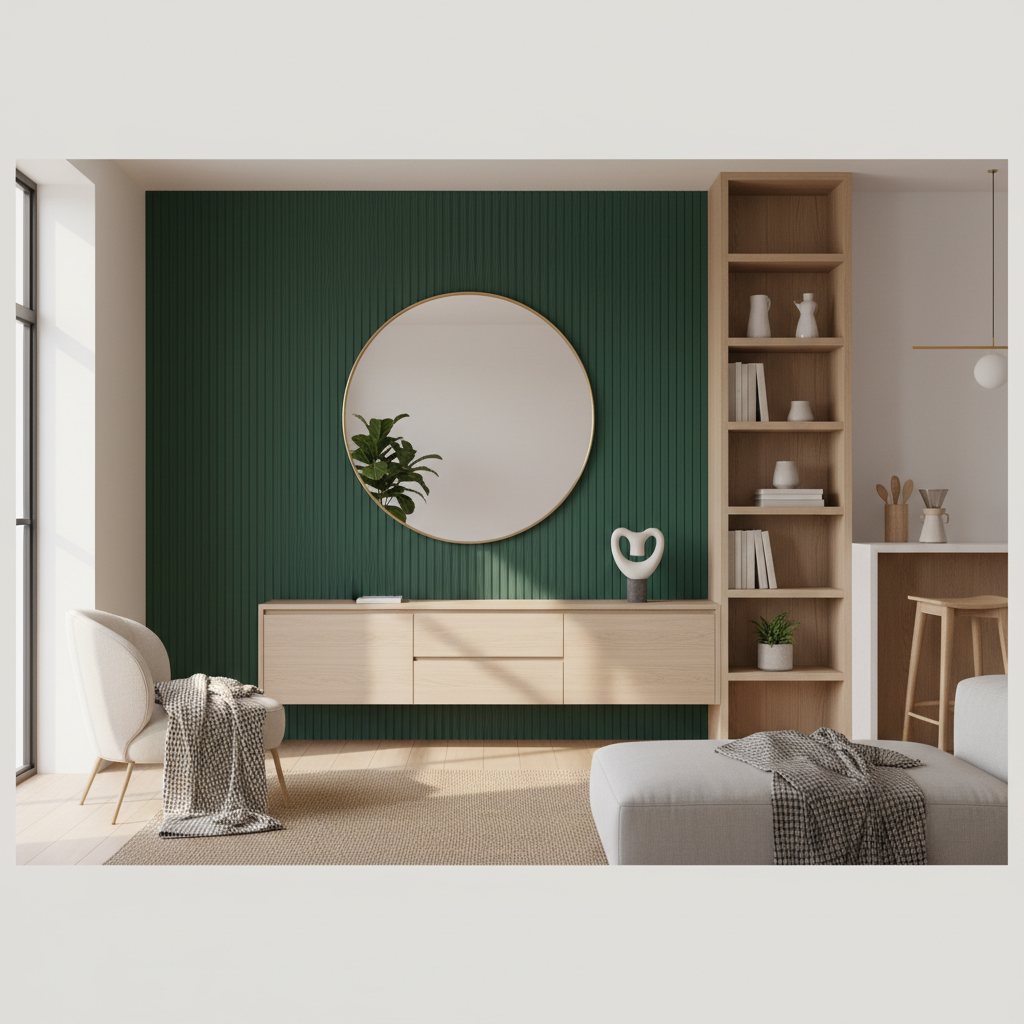
Defining an Accent Wall
A characteristic accent wall differentiates itself from the surrounding walls in a room. While the other walls often maintain a consistent finish, the accent wall introduces a deliberate divergence. This divergence is not arbitrary; it is a calculated design choice intended to achieve specific visual and atmospheric outcomes. The concept revolves around creating a singular point of interest that guides the viewer's gaze and contributes to the room's narrative.
Purpose and Function in Design
The fundamental purpose of an accent wall is to establish a focal point. In spaces lacking a natural focal point, such as a fireplace or large window, an accent wall can artificially create one. It directs attention, providing a visual anchor that helps to ground the room's design. Beyond mere aesthetics, accent walls can also serve functional roles, such as visually separating distinct zones within an open-plan layout or highlighting a specific piece of furniture or artwork.
Visual Impact and Perception
Accent walls possess the capacity to significantly alter the perception of a room's size and shape. A dark accent wall on an end wall in a long, narrow room can make the space feel shorter and wider by visually advancing that surface. Conversely, a light accent wall can expand a small space. The judicious application of color, texture, and pattern on an accent wall can add depth, dimension, and a sense of drama that might otherwise be absent in a uniformly treated space.
Key Principles of Accent Wall Design
Effective accent wall design adheres to several core principles that ensure its integration enhances, rather than detracts from, the overall interior scheme. These principles relate to how the accent wall interacts with other elements in the room.
Establishing a Focal Point
The essence of an accent wall lies in its ability to command attention. Therefore, selecting the most appropriate wall is crucial. Typically, this is the wall that would naturally draw the eye upon entering the room, or a wall that features an existing architectural element like a large window, a built-in bookshelf, or the wall behind a bed in a bedroom. The chosen wall must support the creation of a clear and intentional focal point.
Color Theory and Contrast
Color plays a primary role in accent wall design. The chosen color often stands in contrast to the dominant color palette of the room, yet it must remain harmonious. This contrast can be achieved through complementary colors, analogous colors for a more subtle effect, or varying shades and tints of the same hue for depth. The intensity and warmth or coolness of the accent color influence the room's mood and perceived size. Darker, warmer colors tend to make a wall advance, while lighter, cooler colors tend to recede.
Texture and Materiality
Beyond color, texture and material introduce another layer of visual and tactile interest. A textured accent wall can add a sense of sophistication and depth. Materials such as wood paneling, exposed brick, stone veneer, or even fabric wall coverings provide unique characteristics that a flat painted surface cannot. These material choices contribute to the overall tactile experience of the space and can evoke specific design styles, from rustic to industrial to contemporary.
Scale and Proportion
The scale of any pattern or texture on an accent wall, as well as the proportion of the accent wall itself within the room, must be carefully considered. A large, bold pattern might overwhelm a small room, whereas a subtle texture might be lost in a vast space. The accent wall should feel proportional to the room and the furniture placed against or near it, maintaining visual balance rather than creating an imbalance.
Lighting Considerations
Lighting significantly impacts how an accent wall is perceived. Strategic lighting, such as recessed lighting, wall sconces, or track lighting, can highlight the texture, color, or artwork on an accent wall, enhancing its visual prominence. The interplay of light and shadow can further emphasize the material qualities and depth of the wall, making it a dynamic element throughout the day and night.
Common Types of Accent Walls
Accent walls manifest in various forms, each offering distinct aesthetic possibilities and requiring different application techniques.
Painted Accent Walls
The most common and often most accessible type of accent wall is a painted one. This involves selecting a color that contrasts with the room's primary color scheme and applying it to a single wall. The simplicity of this approach allows for frequent updates and experimentation with different hues. The impact of a painted accent wall relies heavily on the chosen color's saturation, warmth, and its relationship to the surrounding elements.
Wallpaper and Murals
Wallpaper and murals offer a broader range of patterns, textures, and imagery than paint alone. From subtle geometric designs to bold floral prints or scenic landscapes, these applications can create dramatic visual statements. Wallpaper can introduce tactile finishes like grasscloth or embossed patterns, while murals transform an entire wall into a piece of art, creating an immersive experience within the space.
Paneling and Architectural Features
Accent walls can also be created using architectural elements and paneling. This includes wood paneling, shiplap, board and batten, wainscoting, or even salvaged materials like reclaimed wood or exposed brick veneer. These elements add significant texture and three-dimensional interest, often imparting a sense of architectural character and craftsmanship to a room. They can also provide a historical or regional aesthetic.
Shelving and Built-ins
Functionality can be integrated into an accent wall through the use of shelving systems or built-in units. A wall covered with custom bookshelves, for instance, not only provides storage and display space but also creates a compelling visual element. The arrangement of books, decorative objects, and lighting within these units contributes to the overall aesthetic of the accent wall, making it both practical and visually engaging.
Artistic Installations
For a truly unique statement, an accent wall can become the canvas for an artistic installation. This might involve a collection of framed art, a gallery wall arrangement, a textile hanging, or custom sculptural elements. These installations transform the wall into a curated display, reflecting personal tastes and adding a distinct artistic dimension to the interior.
Strategic Placement and Room Context
The effectiveness of an accent wall is highly dependent on its placement within a specific room and how it relates to the room's function and existing layout.
Living Rooms
In living rooms, common accent wall placements include the wall behind a television, a fireplace, or a prominent sofa. The accent wall in this context serves to anchor the main seating area or highlight an entertainment zone, drawing attention to these key functional areas of the room. It can also be used to define a reading nook or a home bar area within a larger space.
Bedrooms
Bedrooms often feature an accent wall behind the headboard of the bed. This placement naturally emphasizes the bed as the central element of the room, creating a sense of coziness and visual grandeur. It can also be a wall with a significant window, framing the view as a natural focal point, or a wall with a dressing table or vanity.
Dining Areas
In dining rooms, the accent wall is frequently positioned on the longest wall or the wall behind the dining table. This helps to define the dining space and provides an attractive backdrop for meals and gatherings. If an open-plan concept includes a dining area, an accent wall can subtly delineate this zone from adjacent living or kitchen areas.
Home Offices
For home offices, an accent wall can be used to inspire creativity or provide a calming backdrop. It might be the wall behind the desk, helping to delineate the workspace, or a wall dedicated to shelving and organizational units. The color or texture choice here can influence productivity and focus, with cooler tones often favored for a more tranquil environment.
Considerations for Implementation
Implementing an accent wall requires careful consideration of various factors to ensure it harmonizes with the existing design and fulfills its intended purpose.
Room Size and Layout
The dimensions and configuration of a room are paramount. In smaller rooms, a subtle accent wall with a lighter color or delicate texture might be more appropriate to avoid overwhelming the space. In larger rooms, more dramatic colors, patterns, or substantial textures can be utilized to fill the space and prevent it from feeling too expansive or cavernous. The wall's position relative to doors, windows, and other architectural features also influences selection.
Existing Decor and Color Palette
An accent wall does not exist in isolation; it must integrate seamlessly with the room's existing furniture, artwork, and overall color palette. The chosen accent should either complement or provide a well-balanced contrast to the predominant colors and styles already present. It is important to ensure that the accent wall enhances the existing decor rather than clashing with it, maintaining a cohesive aesthetic.
Longevity and Adaptability
Considering the long-term impact and adaptability of an accent wall is also beneficial. While paint can be easily changed, more permanent solutions like custom paneling or intricate wallpaper might require a greater commitment. The design choice should align with the desired lifespan of the aesthetic and the potential for future redecoration. Selecting materials that can evolve with changing trends or are timeless in their appeal often provides more enduring satisfaction.
Practicality and Maintenance
The practical aspects of an accent wall, including its maintenance requirements, should be evaluated. Textured materials or delicate wallpapers might require specific cleaning methods. In high-traffic areas, durable and easily cleanable surfaces are often preferable. Understanding these practical implications can guide material selection and ensure the accent wall remains an attractive feature over time.
Accent walls represent a versatile and impactful interior design strategy for establishing focal points, introducing visual interest, and influencing spatial perception. By understanding the principles of color, texture, scale, and strategic placement, designers and homeowners can effectively integrate this element to enhance the aesthetic and functional qualities of various residential spaces. Careful consideration of existing decor, room dimensions, and practical maintenance ensures that an accent wall contributes positively to the overall interior environment.
More from home living
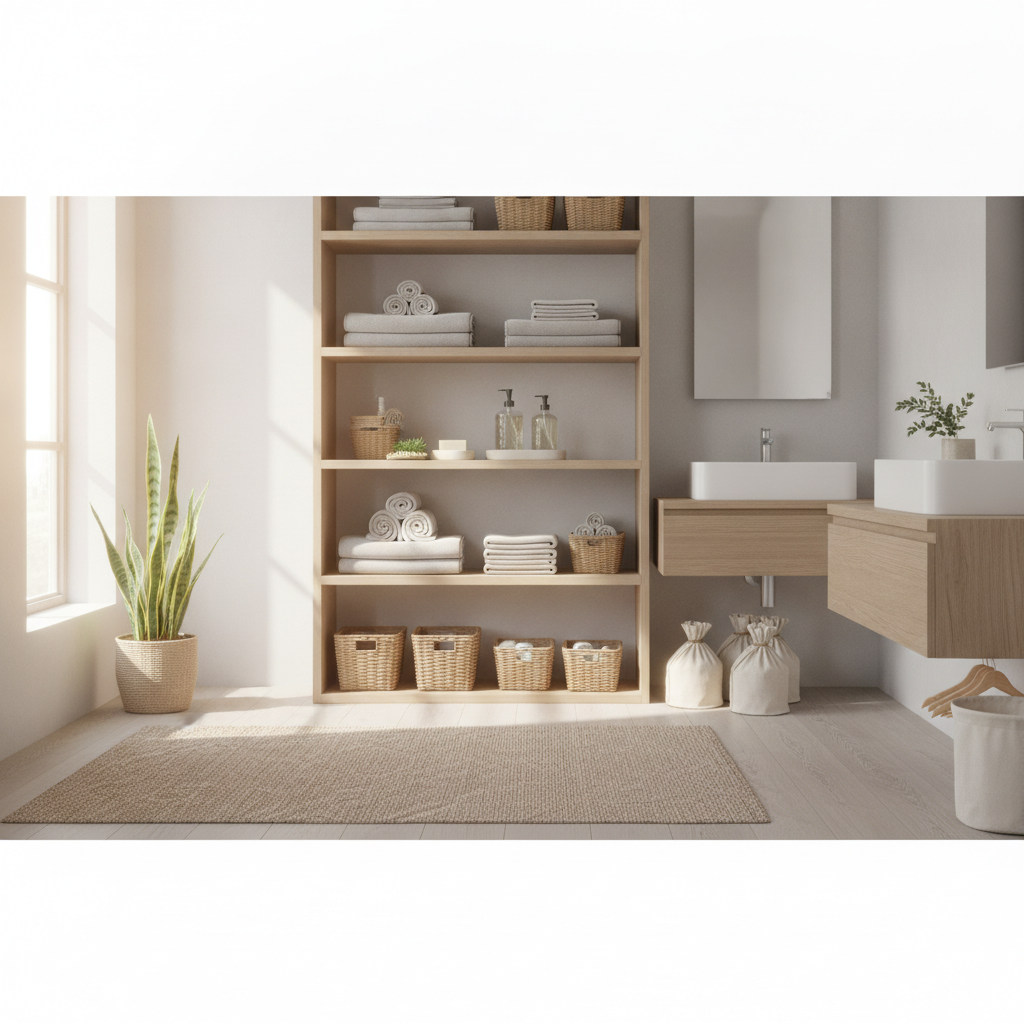
Smart Strategies for a Seamlessly Organized Bathroom Space
Transform your bathroom from cluttered chaos to a serene, functional space. Discover practical methods for organizing toiletries, linens, and cleaning supplies, enhancing daily routines and maintaining a tidy environment with ease.
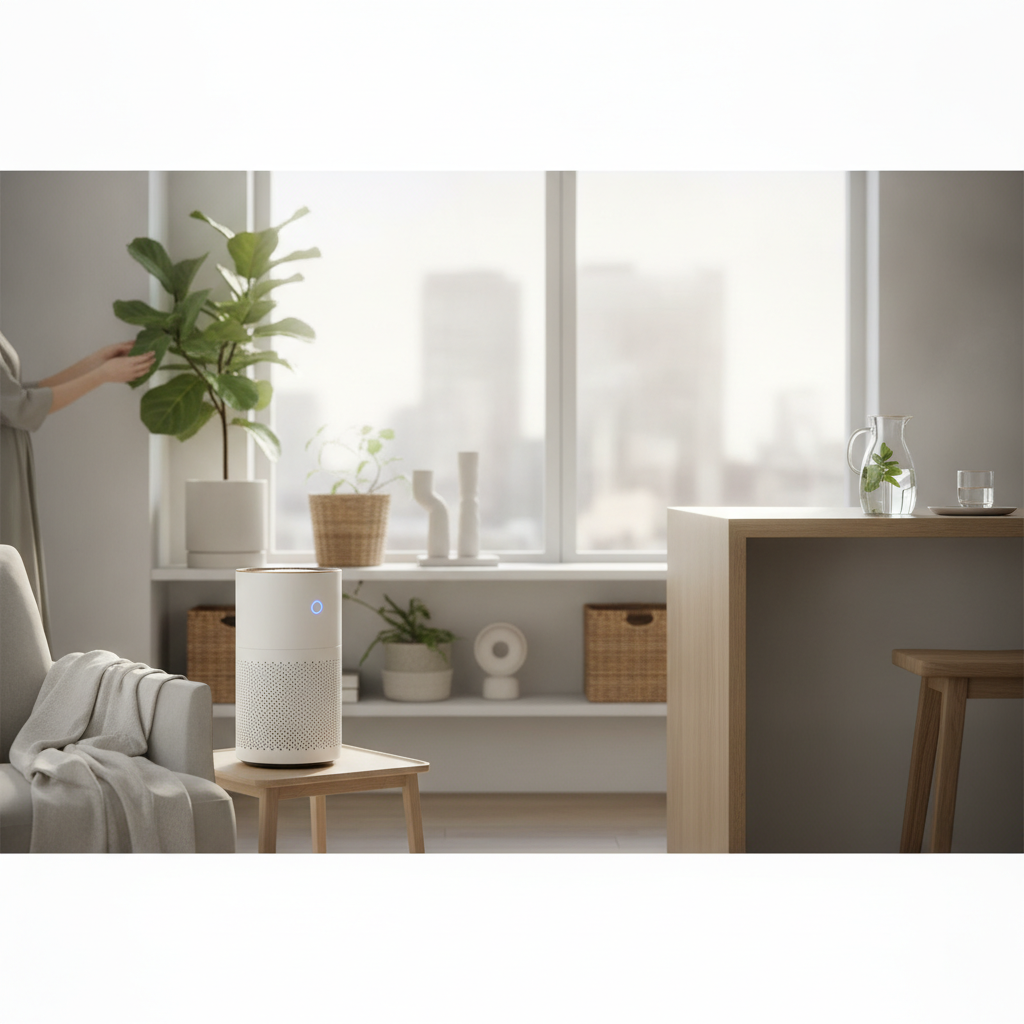
Selecting and Using Efficient Air Purifiers for Improved Indoor Air Quality
Discover how air purifiers can significantly enhance your home's indoor air quality. Learn about common pollutants, essential filtration technologies, and key factors for choosing the right device to create a healthier living environment.
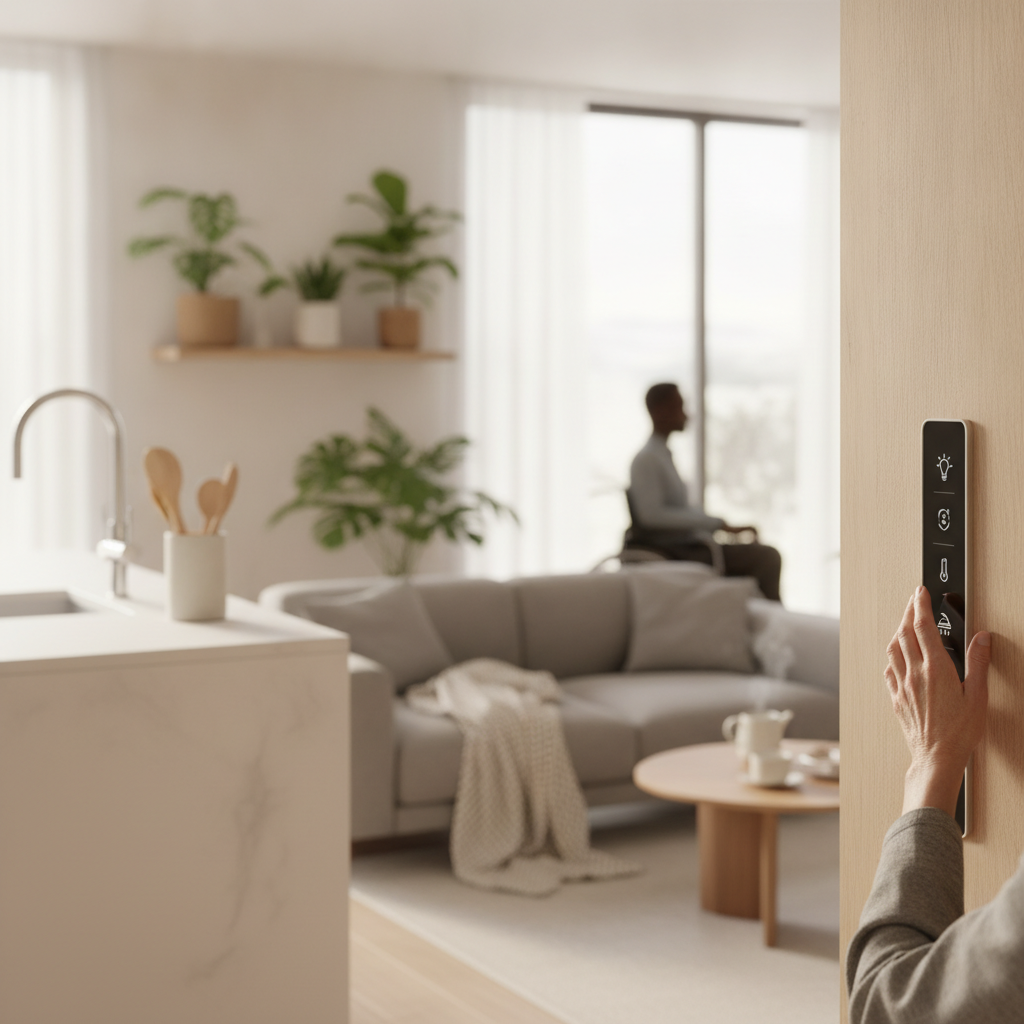
Smart Home Solutions for Enhanced Accessibility and Independent Living
Discover how smart home technology can significantly enhance accessibility and foster independent living for individuals of all abilities. Explore practical solutions for greater comfort, safety, and convenience in your daily routines.

Mastering Stain Removal: A Guide to Restoring Household Fabrics and Surfaces
Discover practical strategies for tackling common household stains on various fabrics and surfaces. This comprehensive guide provides actionable advice to help maintain the cleanliness and appearance of your home effectively.