
Strategic Space Planning for Efficient Living in Compact Residential Settings
Space planning in compact residential settings involves a deliberate approach to arranging the interior elements of a home to maximize both functionality and the perception of spaciousness. In environments where square footage is limited, the effective utilization of every area becomes paramount for creating a comfortable and efficient living experience. This encompasses more than just furniture placement; it extends to understanding traffic flow, defining distinct zones, and leveraging vertical and multi-functional solutions. The objective is to ensure that each section of the home serves its purpose effectively while maintaining an open and uncluttered feel, which is crucial for overall inhabitant well-being and daily practicality in smaller living areas. This article explores the fundamental principles, design approaches, and practical considerations involved in strategic space planning for homes with restricted dimensions.
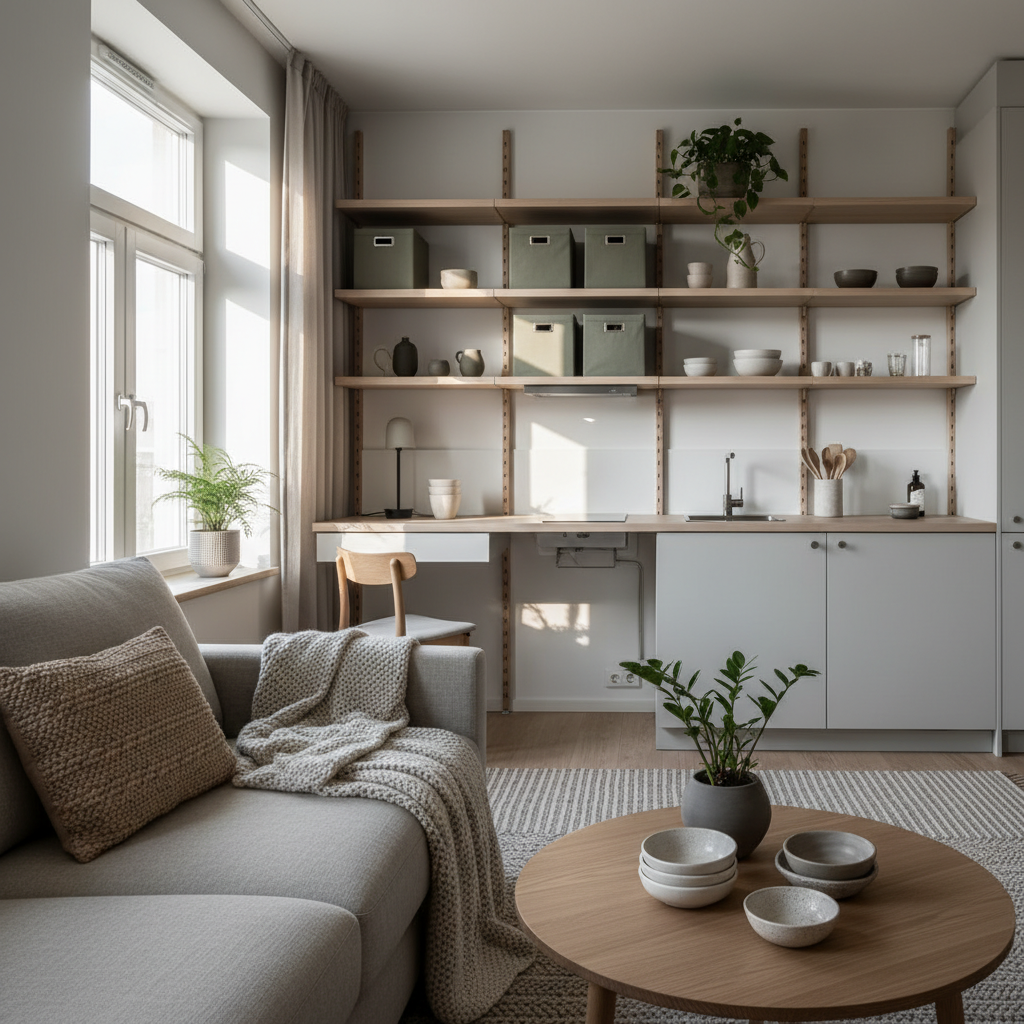
Understanding the Dynamics of Compact Spaces
Compact residential environments, such as small apartments, studios, and tiny homes, present unique spatial challenges that differ significantly from larger dwellings. These challenges often revolve around the dual requirements of accommodating essential functions—living, dining, sleeping, working—within a reduced footprint, while also maintaining an aesthetically pleasing and psychologically comfortable atmosphere. Key considerations include the lack of dedicated rooms for specific activities, the potential for clutter accumulation, and the necessity for items to serve multiple roles.
Defining Spatial Constraints
Recognizing the precise limitations of a space is the initial step in effective planning. This involves a detailed assessment of floor area, ceiling height, existing architectural features like windows and doors, and the location of utility connections. Understanding these fixed elements helps in visualizing potential layouts and identifying areas that can be optimized or reconfigured. The goal is to work with the existing structure rather than against it, finding innovative ways to enhance usability.
Common Challenges in Small Homes
Several common issues arise in compact living. Storage often becomes a primary concern, as traditional furniture pieces may occupy too much floor space. Maintaining clear pathways for movement, known as traffic flow, can be difficult when rooms serve multiple purposes. Furthermore, the psychological impact of a confined environment can contribute to feelings of being overwhelmed if the space is not thoughtfully organized. Addressing these challenges requires creative thinking and a systematic planning approach.
Fundamental Principles of Efficient Space Planning
Effective space planning in compact homes relies on several core principles that guide the arrangement and selection of elements. Adhering to these principles helps to create a harmonious and highly functional living environment.
Zone Definition and Multi-functional Areas
One fundamental principle involves the creation of distinct zones within a single open-plan area. For example, a studio apartment might include a sleeping zone, a living zone, and a dining or work zone, each visually separated by furniture arrangement, rugs, or subtle partitions. Multi-functional areas are also key, where a single space or piece of furniture serves several purposes at different times, such as a dining table that doubles as a workspace.
Optimizing Traffic Flow
Maintaining clear and unobstructed pathways is essential for ease of movement and preventing a cramped feeling. Strategic furniture placement ensures that residents can navigate through the space without impediments. This involves positioning larger items in ways that do not block entrances, exits, or the natural flow between zones. A well-planned traffic flow contributes significantly to the perceived openness of a small dwelling.
Leveraging Vertical Space
When horizontal space is limited, verticality becomes a valuable asset. Utilizing walls for storage, shelving, and display elements draws the eye upwards, creating an illusion of greater height and expanding storage capacity without consuming valuable floor area. Tall, slender furniture pieces and floor-to-ceiling shelving systems exemplify this principle.
Integration of Multi-functional Elements
Beyond furniture, integrating multi-functional architectural elements or fixtures can significantly enhance spatial efficiency. Examples include built-in storage benches, wall beds, fold-down tables, and sliding doors that disappear into walls. These elements offer versatility and conserve space when not in use, making them indispensable in compact settings.
Visual Continuity and Light
Visual continuity helps to create a cohesive and expansive feel. Using a consistent color palette, similar materials, and minimal visual breaks across different zones can make a small space appear larger. Abundant natural light, along with strategically placed artificial lighting, also contributes to an open and airy atmosphere, diminishing feelings of confinement.
Strategic Approaches to Layout Design
Implementing the principles of space planning requires specific layout design approaches tailored to compact environments. These strategies focus on maximizing utility and aesthetic appeal within restricted dimensions.
Thoughtful Furniture Placement
Furniture placement is central to effective space planning. Rather than pushing all furniture against walls, which can sometimes make a room feel smaller by emphasizing its boundaries, floating certain pieces (like a sofa) can create distinct zones and improve flow. Selecting furniture that is proportionate to the room's size is also crucial; oversized items can quickly overwhelm a small area. Additionally, furniture with open bases or legs can allow light to pass through, contributing to an airier feel.
Custom Built-in Solutions
Custom built-ins are an effective way to integrate storage and functionality seamlessly into a compact space. Custom shelving units, desks, and seating can be designed to fit specific nooks and architectural irregularities, maximizing every inch. Built-ins often provide a more streamlined appearance than freestanding furniture, reducing visual clutter and creating a cohesive look.
Flexible and Adaptable Arrangements
Incorporating flexibility into the layout allows a space to adapt to varying needs throughout the day. This might involve movable partitions, screens, or modular furniture components that can be reconfigured or easily stored away. Such adaptability ensures that the home can transition smoothly between different functions, from a bustling daytime workspace to a serene evening living area.
The Role of Storage in Space Efficiency
Effective storage is indispensable in compact living, moving beyond mere decluttering to become an integrated part of the space's design and functionality.
Integrated and Concealed Storage
Integrating storage solutions directly into the architecture or furniture minimizes their visual impact. Examples include storage within ottomans, under-bed drawers, built-in wardrobes, and shelving integrated around doorways or windows. Concealed storage, which hides items behind closed doors or within discrete compartments, helps maintain a clean and uncluttered appearance, essential for perceived spaciousness.
Multi-level and Compartmentalized Storage
Utilizing multi-level storage systems, such as stacked drawers, tiered shelving, and drawer organizers, maximizes the capacity within a given storage unit. Compartmentalization ensures that items are neatly organized and easily accessible, preventing the accumulation of loose objects that contribute to visual chaos.
Digital and Off-site Storage Considerations
Reducing physical clutter can also involve digitizing documents, photographs, and media, thereby decreasing the need for physical storage space. For less frequently used items, off-site storage solutions can be considered. This approach helps to keep the immediate living environment clear and focused on daily needs.
Aesthetic and Ambiance Considerations
Beyond functional arrangements, the aesthetic choices made in a compact home significantly influence how spacious and inviting it feels.
Color Palettes and Material Selection
Light color palettes, particularly on walls and large furniture pieces, can reflect light and make a room feel larger and more open. Monochromatic schemes or subtle variations of a single color can also create visual continuity. Using reflective surfaces, such as mirrors and glass, further enhances the perception of depth and light. The selection of materials, like transparent or light-colored fabrics, also plays a role in maintaining an airy feel.
Strategic Lighting Techniques
Layered lighting, incorporating ambient, task, and accent lighting, helps to define zones and highlight features without creating shadows that can make a space feel smaller. Uplighting can make ceilings appear higher, while wall sconces and recessed lighting can provide illumination without taking up floor or surface space. Maximizing natural light through minimal window treatments is also a key strategy.
Minimalism and Purposeful Decor
Adopting a minimalist approach to decor can prevent visual clutter, which is particularly important in small spaces. Each decorative item should serve a purpose or contribute significantly to the aesthetic. Thoughtful curation of accessories ensures that the space remains personal and inviting without feeling overcrowded. Simplifying visual elements helps maintain focus on the functionality and overall design of the room.
Strategic space planning in compact residential settings is a holistic process that integrates functional necessities with aesthetic considerations to create an optimized living environment. By understanding spatial constraints, applying core planning principles, and implementing thoughtful design approaches, it is possible to transform limited square footage into a highly efficient, comfortable, and visually expansive home. The focus remains on maximizing utility and maintaining a sense of openness and order.
More from home living
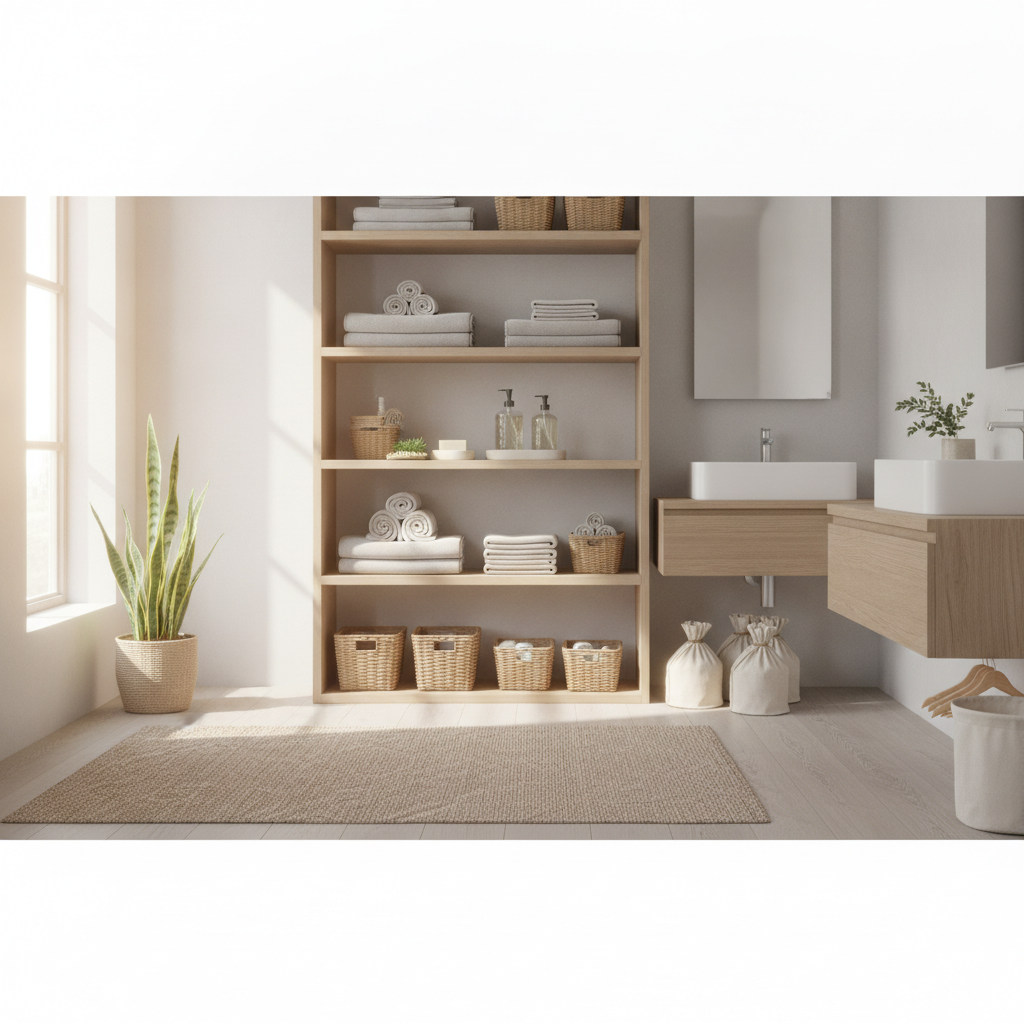
Smart Strategies for a Seamlessly Organized Bathroom Space
Transform your bathroom from cluttered chaos to a serene, functional space. Discover practical methods for organizing toiletries, linens, and cleaning supplies, enhancing daily routines and maintaining a tidy environment with ease.
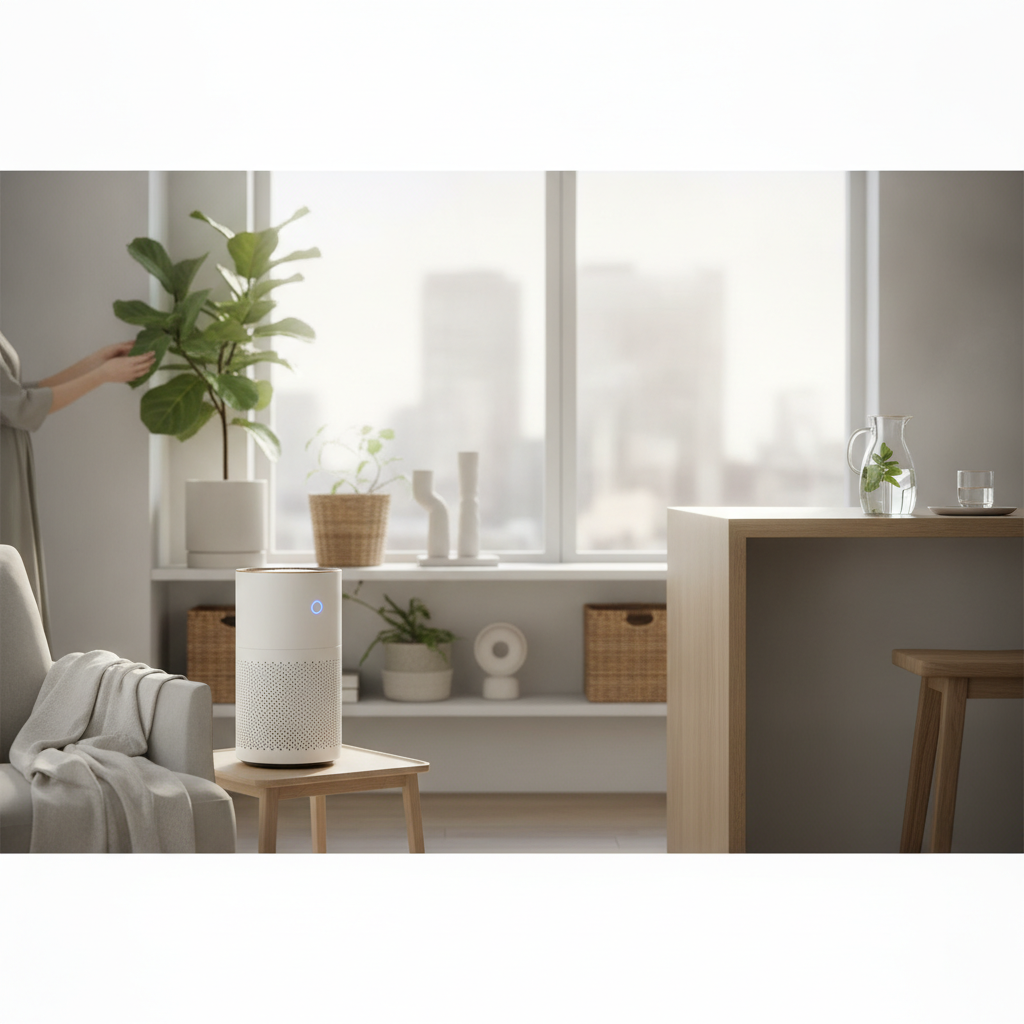
Selecting and Using Efficient Air Purifiers for Improved Indoor Air Quality
Discover how air purifiers can significantly enhance your home's indoor air quality. Learn about common pollutants, essential filtration technologies, and key factors for choosing the right device to create a healthier living environment.
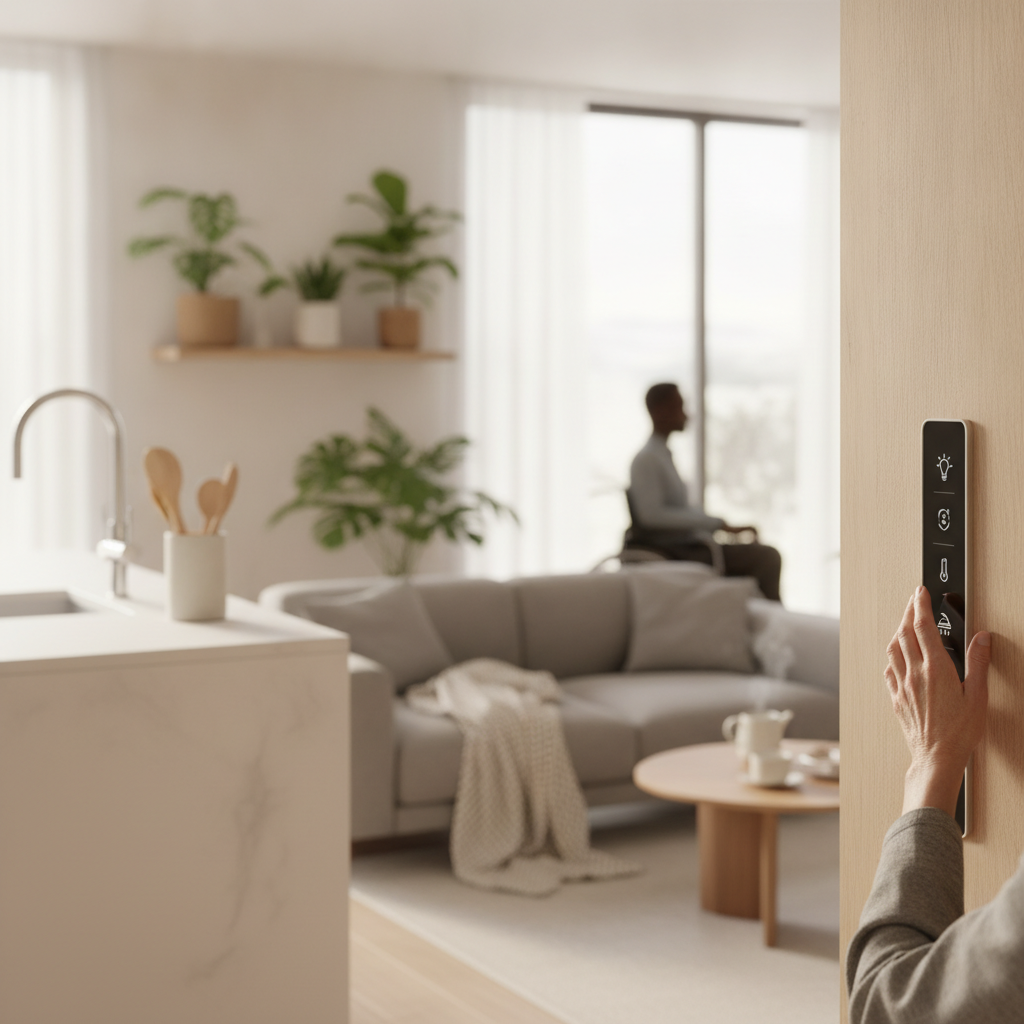
Smart Home Solutions for Enhanced Accessibility and Independent Living
Discover how smart home technology can significantly enhance accessibility and foster independent living for individuals of all abilities. Explore practical solutions for greater comfort, safety, and convenience in your daily routines.
Mastering Stain Removal: A Guide to Restoring Household Fabrics and Surfaces
Discover practical strategies for tackling common household stains on various fabrics and surfaces. This comprehensive guide provides actionable advice to help maintain the cleanliness and appearance of your home effectively.