
Strategies for Designing Multifunctional Spaces in Modern Residences
The concept of multifunctional spaces involves the deliberate design of residential areas to serve more than one purpose, allowing a single room or zone to adapt to various activities throughout the day or as needs change. This approach is increasingly relevant in contemporary living, particularly in urban environments where living spaces may be compact. By optimizing the utility of every square meter, multifunctional design aims to enhance spatial efficiency and adaptability within a home. This article explores the core principles, strategic considerations, and practical applications involved in creating effective multifunctional spaces, detailing how thoughtful planning and specific design elements can transform a single area into a dynamic and versatile environment.
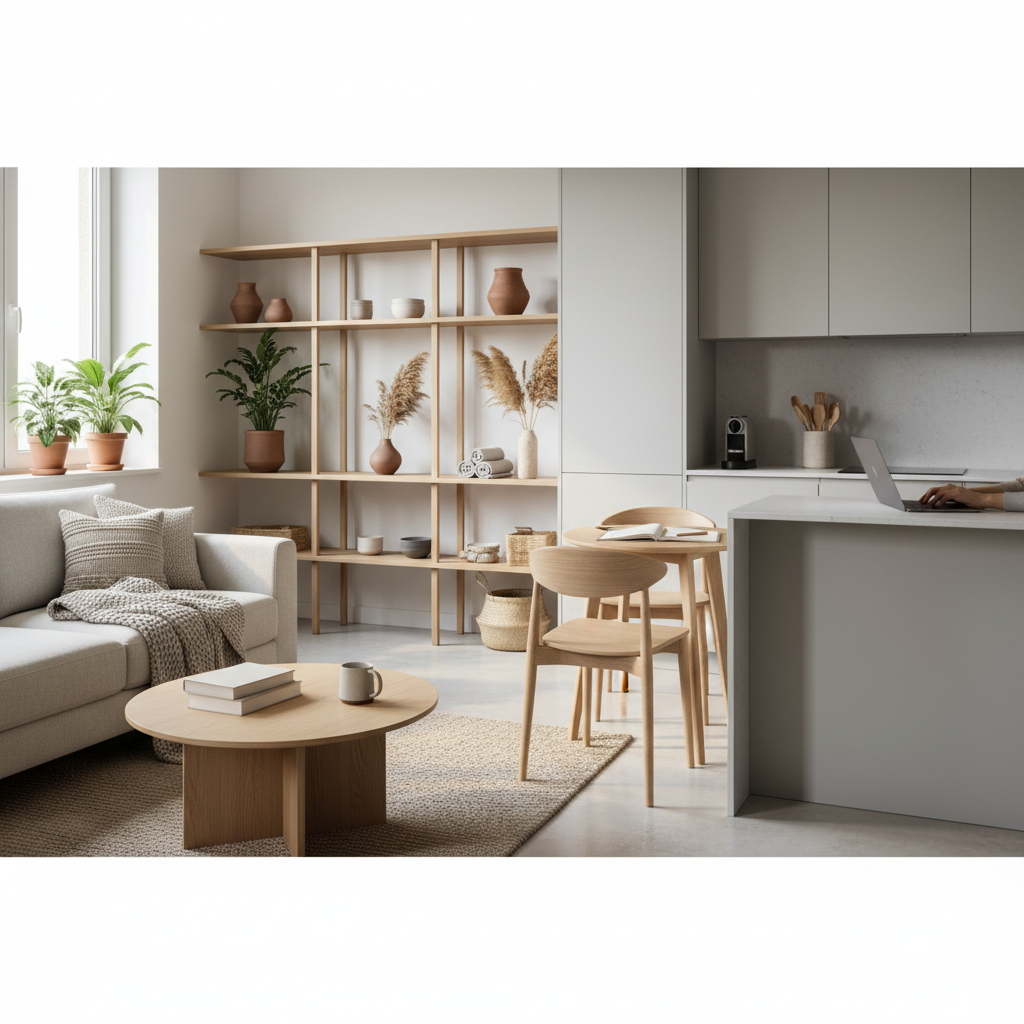
Understanding Multifunctional Design Principles
Multifunctional design prioritizes versatility and efficiency in residential layouts. It moves beyond traditional single-purpose room definitions to embrace a more fluid and adaptive use of space. The fundamental idea is to maximize the utility of every area, enabling it to transition seamlessly between different functions, such as a living room serving as an office or a dining area converting into a creative workspace. This approach contributes to a more organized and adaptable living environment, particularly beneficial in homes with limited square footage.
Core Benefits of Multifunctional Spaces
The implementation of multifunctional design yields several advantages. Primarily, it significantly enhances spatial efficiency, allowing smaller homes to accommodate a broader range of activities. This adaptability supports changing lifestyles and resident needs, offering flexibility that traditional layouts often lack. Furthermore, it can contribute to a more minimalist aesthetic by encouraging the selection of furniture and objects that serve multiple roles, thereby reducing overall clutter. Improved flow within a home is another benefit, as well-designed multifunctional zones often create a sense of openness and connectedness between different functional areas.
Key Strategies for Implementation
Designing a multifunctional space requires a strategic approach that considers both aesthetics and practicality. It involves careful planning of layouts, selection of appropriate furnishings, and intelligent use of architectural elements to define and support various functions within a single area.
Spatial Zoning and Definition
One fundamental strategy in multifunctional design is the creation of distinct zones within a larger space. This can be achieved through various methods that provide both physical and visual separation without the need for permanent walls. Area rugs are effective in delineating different functional zones, such as a living area from a workspace. Similarly, strategically placed furniture, such as a sofa or a console table, can act as a subtle barrier. Open shelving units or partial screens can also offer more defined separation while still allowing light and a sense of openness to permeate the space. The consistent application of a design element, like a specific color or material within a zone, can also help visually differentiate it.
Flexible and Transformable Furniture
The selection of furniture is pivotal in multifunctional design. Pieces that can adapt, fold, extend, or conceal their primary function are highly valuable. Examples include sofa beds or daybeds that convert between seating and sleeping arrangements, nesting tables that can be expanded for entertaining or tucked away for daily use, and expandable dining tables that adjust to accommodate different numbers of guests. Modular shelving systems allow for reconfiguring storage and display based on immediate needs. Wall-mounted desks or those that fold away are also common features, providing a dedicated work surface only when required. These types of furnishings enable a room to transition quickly between functions, optimizing space utilization.
Integrated Storage Solutions
Effective storage is critical for maintaining order and supporting the various functions of a multifunctional space. Integrating storage seamlessly into the design helps to keep items out of sight when not in use, preventing visual clutter. Built-in cabinetry, under-bench storage, and wall-mounted shelves that blend with the architectural features of a room are all effective. Beds with integrated drawers or lift-up mechanisms provide substantial hidden storage for linens or seasonal items. Vertical storage solutions, such as tall shelving units or customized wardrobes, maximize storage capacity without occupying significant floor space. The goal is to ensure that every item has a designated place, facilitating easy access and return.
Strategic Lighting Applications
Lighting plays a significant role in defining zones and creating appropriate ambiances for different activities within a multifunctional space. Layering light sources allows for flexibility. Ambient lighting provides overall illumination, while task lighting (e.g., desk lamps, reading lights) targets specific work or leisure areas. Accent lighting can highlight architectural features or decorative elements, contributing to the overall aesthetic. The use of dimmers and smart lighting systems enables occupants to adjust the brightness and color temperature, tailoring the lighting to suit the function of the space at any given moment, whether it is for focused work, relaxed entertainment, or dining.
Color and Material Considerations
The choice of colors and materials influences the perception of space and cohesiveness in a multifunctional environment. Lighter color palettes on walls and ceilings can make a room feel larger and more open, which is particularly beneficial in compact spaces. Using a consistent color scheme or a limited palette throughout a multifunctional area helps to create a unified and harmonious aesthetic, even as different zones serve distinct purposes. Reflective surfaces, such as mirrors or polished finishes, can also contribute to an illusion of increased depth and light. Material choices should consider durability and ease of maintenance, supporting the varied demands placed on a multifunctional space.
Technology Integration for Enhanced Functionality
Modern technology offers opportunities to enhance the functionality of multifunctional spaces without adding physical clutter. Smart home devices, such as automated lighting, climate control, and integrated entertainment systems, can be controlled remotely or through voice commands, simplifying transitions between activities. Projectors that retract into the ceiling can create a home theater experience on a blank wall, then disappear when not in use. Wireless charging pads integrated into furniture pieces reduce cable clutter. The careful selection and integration of technology can support multiple functions seamlessly, contributing to both convenience and a streamlined aesthetic.
Designing and Maintaining Multifunctional Spaces
The process of creating a multifunctional space involves thoughtful assessment and ongoing organization. Initial planning stages are crucial for identifying specific needs and potential challenges.
Assessment and Planning
Before implementing any design changes, it is beneficial to conduct a thorough assessment of the daily routines and specific needs of the residents. This involves analyzing how the space is currently used and identifying activities that could benefit from a multifunctional approach. Sketching different layout possibilities and visualizing furniture placement can help in making informed decisions. Considering the flow of movement between different zones is also important to ensure practicality and comfort.
Ongoing Organization and Decluttering
Even with robust storage solutions, maintaining a multifunctional space requires consistent organization and decluttering practices. Since areas serve multiple purposes, items from one function can easily encroach on another if not properly managed. Establishing routines for putting items away after each use, regularly reviewing belongings to remove unnecessary items, and utilizing the integrated storage effectively are essential for preserving the efficiency and aesthetic appeal of a multifunctional environment. Regular maintenance of the organizational systems ensures the space remains adaptable and functional over time.
Multifunctional spaces offer a strategic approach to optimizing residential living, particularly in contexts where spatial efficiency is paramount. By applying principles of spatial zoning, incorporating adaptable furnishings, integrating clever storage, and leveraging thoughtful lighting and material choices, homes can achieve enhanced versatility and a streamlined aesthetic. This design philosophy emphasizes flexibility, allowing environments to evolve with the needs of their occupants.
More from home living
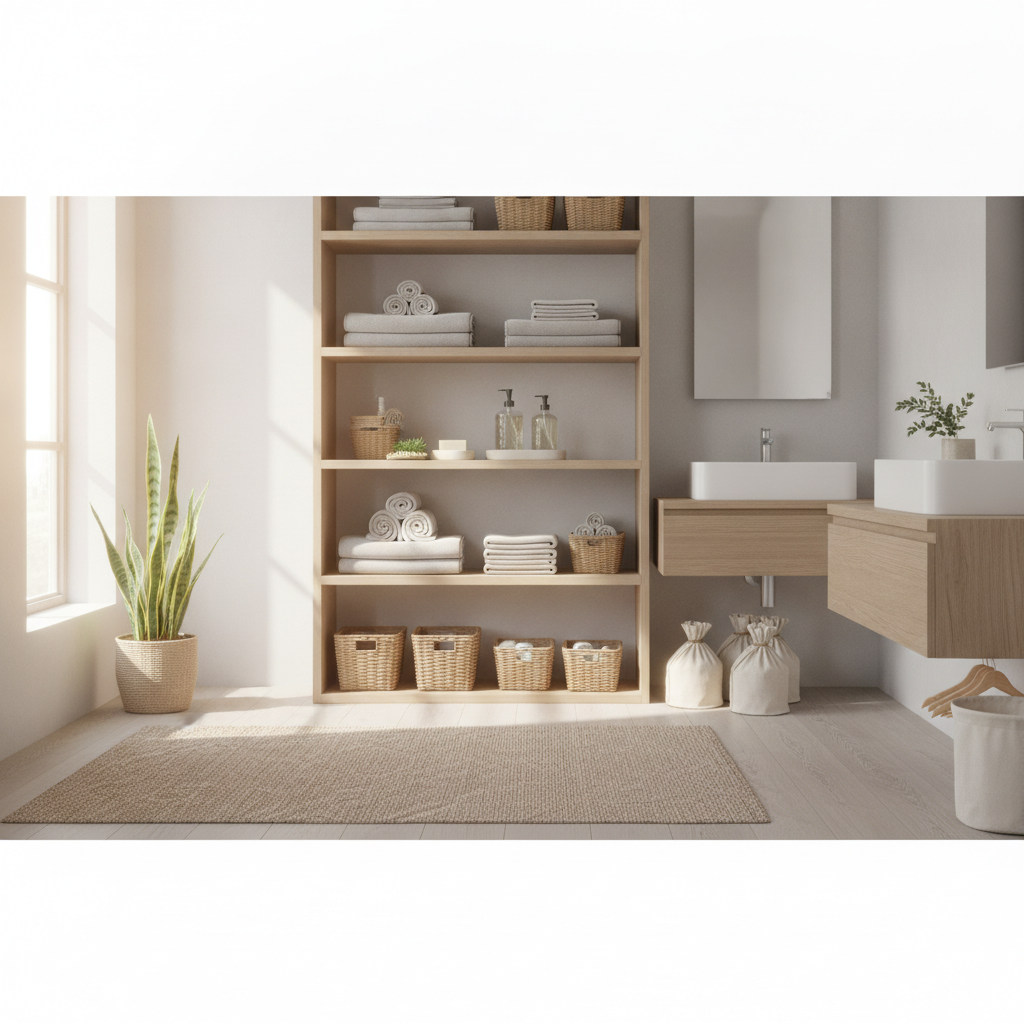
Smart Strategies for a Seamlessly Organized Bathroom Space
Transform your bathroom from cluttered chaos to a serene, functional space. Discover practical methods for organizing toiletries, linens, and cleaning supplies, enhancing daily routines and maintaining a tidy environment with ease.
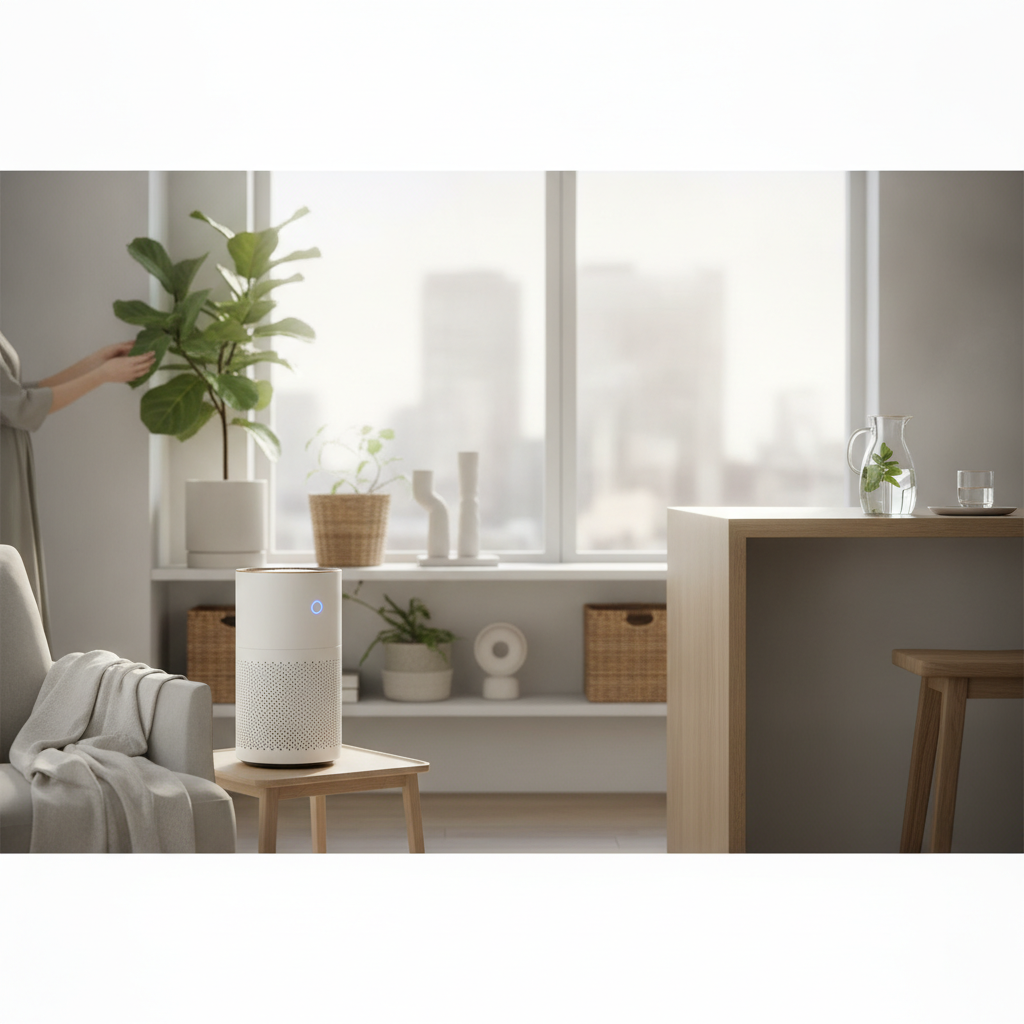
Selecting and Using Efficient Air Purifiers for Improved Indoor Air Quality
Discover how air purifiers can significantly enhance your home's indoor air quality. Learn about common pollutants, essential filtration technologies, and key factors for choosing the right device to create a healthier living environment.
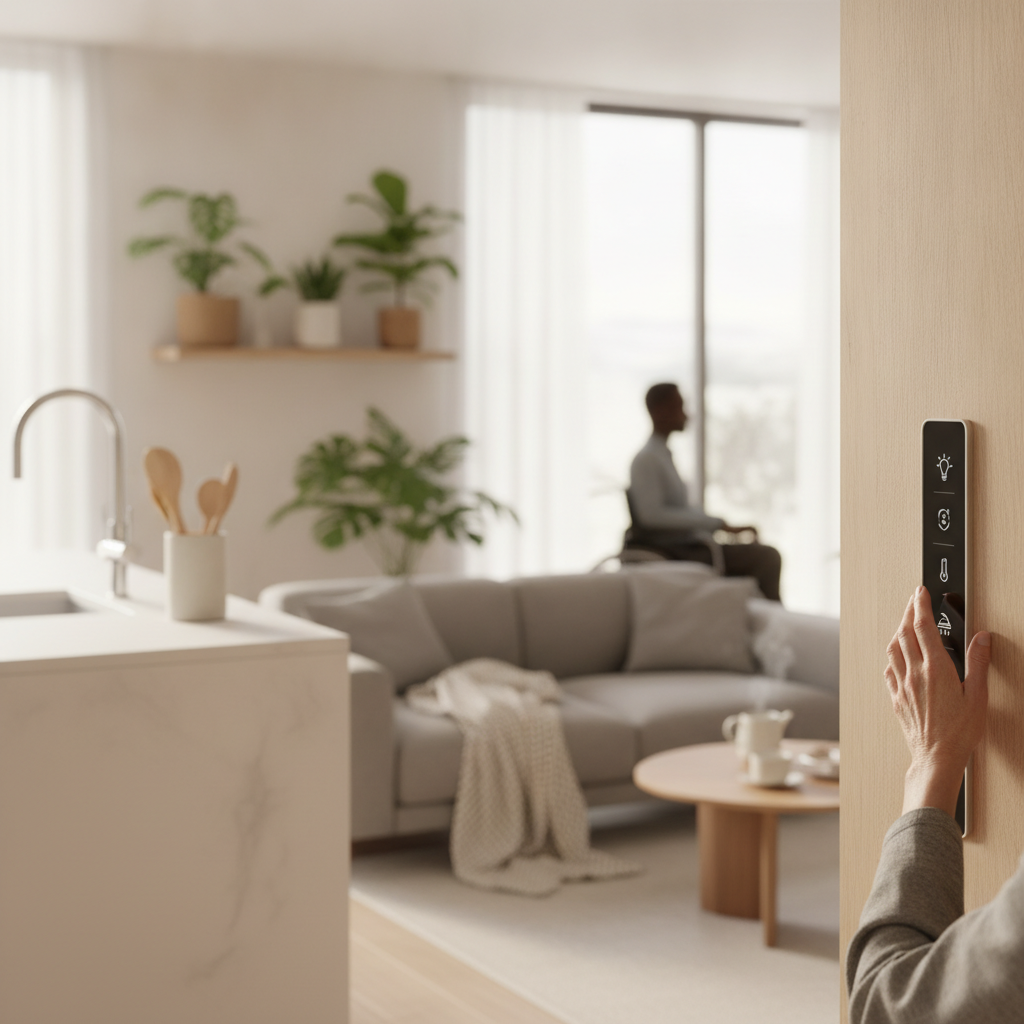
Smart Home Solutions for Enhanced Accessibility and Independent Living
Discover how smart home technology can significantly enhance accessibility and foster independent living for individuals of all abilities. Explore practical solutions for greater comfort, safety, and convenience in your daily routines.
Mastering Stain Removal: A Guide to Restoring Household Fabrics and Surfaces
Discover practical strategies for tackling common household stains on various fabrics and surfaces. This comprehensive guide provides actionable advice to help maintain the cleanliness and appearance of your home effectively.