
Understanding the KonMari Method for Residential Organization and Decluttering
The KonMari Method represents a structured approach to home organization and decluttering, originating from the work of Japanese organizing consultant Marie Kondo. This methodology gained global recognition for its distinctive philosophy and systematic application, emphasizing a profound shift in one's relationship with possessions. It moves beyond conventional tidying techniques, positing that a single, intensive decluttering event, performed correctly and completely, can lead to a permanently tidy home. The method focuses on emotional connection to items, encouraging individuals to retain only those objects that resonate positively with them, thereby fostering a living environment that supports clarity and purpose. This article explores the foundational principles, sequential steps, and practical applications of the KonMari Method within residential settings.
Core Principles of the KonMari Method
At the heart of the KonMari Method are several guiding principles that differentiate it from other organizational strategies. These tenets are designed to facilitate a comprehensive and lasting transformation of a living space.
Tidying by Category, Not Location
One of the most distinctive features of the KonMari Method is its insistence on tidying by category rather than by room or location. Traditional approaches often involve decluttering one room at a time. In contrast, the KonMari Method directs individuals to gather all items of a single category from every part of the home—for instance, all clothing—before beginning the evaluation process. This categorical approach ensures a complete understanding of the quantity of possessions within each category, preventing items from being overlooked or duplicated and facilitating a more thorough decision-making process.
The "Spark Joy" Criterion
Central to the KonMari philosophy is the concept of selecting items based on whether they "spark joy." This qualitative criterion encourages individuals to physically hold each item and assess their emotional response to it. If an item evokes a feeling of joy, it is kept; if not, it is respectfully thanked and discarded. This subjective metric shifts the focus from what needs to be discarded to what truly enriches one's life, aiming to cultivate an environment filled only with beloved and necessary objects.
Discard First, Then Organize
The KonMari Method stipulates that the process of discarding must precede the act of organizing. Before any items are put away or storage solutions are implemented, all decisions about what to keep must be finalized. This sequence ensures that organizing efforts are applied only to those items deemed essential or joy-sparking, thereby optimizing space and preventing the clutter of unneeded possessions from being neatly stored.
Designate a Place for Everything
After items have been selected for retention, each object is assigned a specific, designated place within the home. This principle is crucial for maintaining long-term order. When every item has a "home," it becomes easier to return it to its proper location after use, thereby preventing clutter from accumulating. The method suggests that once a specific spot is determined, items should consistently be returned there.
Follow a Specific Order
The KonMari Method prescribes a particular sequence for addressing categories of items. This order is designed to gradually build an individual's decision-making muscles, starting with categories that typically hold less sentimental value and progressing to those that are more emotionally charged. The recommended order is: clothes, books, papers, komono (miscellaneous items), and finally, sentimental items.
The Category-Based Application Process
The application of the KonMari Method unfolds systematically across five main categories, each with specific considerations.
Clothes
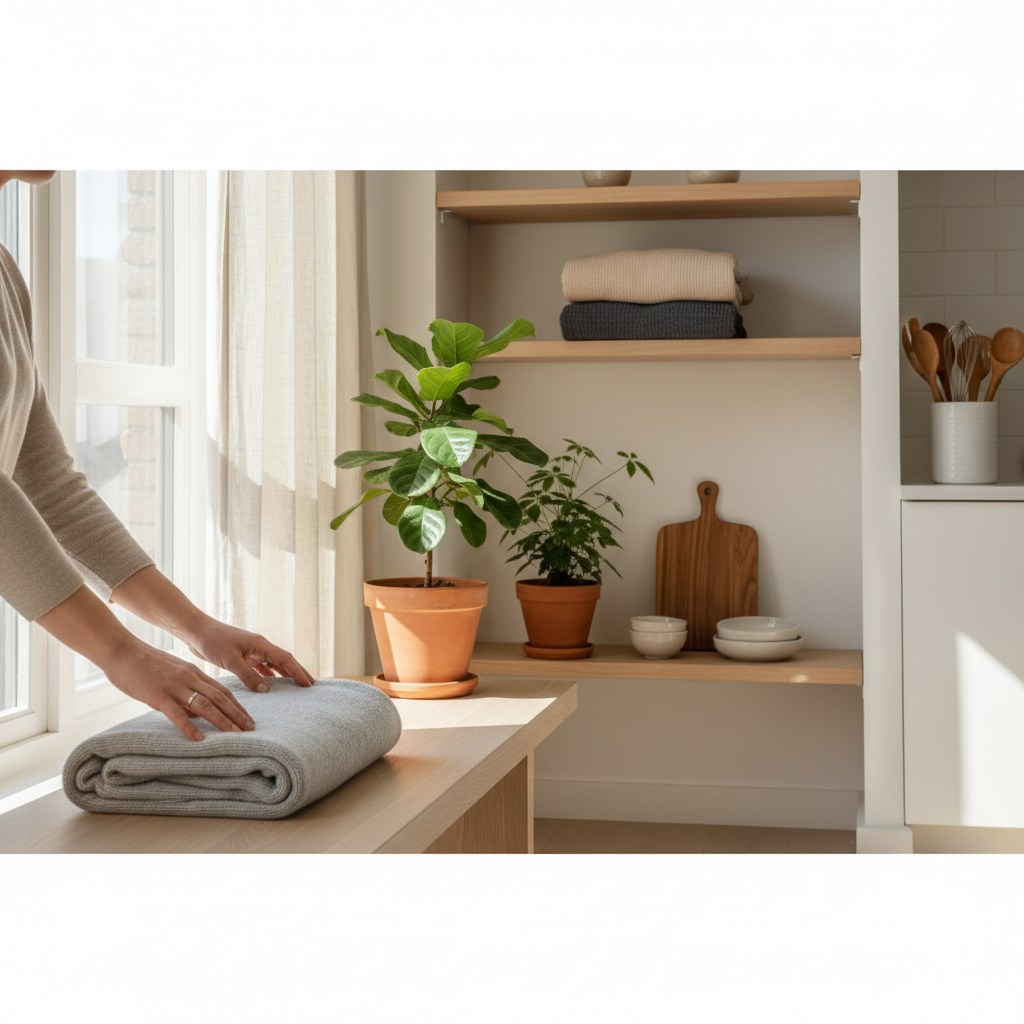
The process begins with clothing. All garments are gathered and placed in one central location, typically on the floor. Each item is then held individually to assess whether it sparks joy. Clothes that are kept are folded using a specific vertical folding technique, designed to maximize drawer or shelf space and make all items visible at a glance. This technique minimizes wrinkles and allows for denser storage.
Books
Next, all books are removed from shelves and piled up. The method suggests that individuals should keep only those books that truly resonate or are essential. The idea is to create a personal library of cherished works rather than accumulating books out of obligation or habit. Books that are retained are often stored upright on shelves.
Papers
Paper clutter is often a significant challenge. The KonMari Method advocates for a radical reduction of paper, categorizing all documents into three main groups: current-use, temporary, and permanent. The aim is to digitize whenever possible and to discard most papers, keeping only truly essential documents like contracts, insurance policies, or titles. A key principle is to never allow papers to accumulate unchecked.
Komono (Miscellaneous Items)
The komono category encompasses a wide array of items, often broken down into sub-categories such as CDs/DVDs, skincare products, makeup, accessories, valuables, electrical equipment, household supplies, kitchen items, and hobby-related objects. This broad category requires careful attention to detail, applying the "spark joy" criterion to each sub-category to manage the vastness of miscellaneous possessions. Storage solutions for these items often involve containers and dividers to keep them organized within drawers and cabinets.
Sentimental Items
Sentimental items are addressed last. This category includes photographs, letters, mementos, and other objects with significant emotional attachment. By leaving these items until the end, individuals have honed their decision-making skills and are better equipped to handle the emotional weight associated with these possessions. The method encourages keeping a select few items that genuinely bring joy and represent important memories, rather than storing everything out of a sense of obligation or nostalgia.
Impact and Long-Term Maintenance
The KonMari Method aims not only to declutter a space but also to foster a deeper understanding of one's possessions and priorities. Proponents suggest that completing the tidying festival once, thoroughly and decisively, can reduce the likelihood of future clutter accumulation. The maintenance aspect involves consistently returning items to their designated spots after use and being mindful of new acquisitions, ensuring that only necessary or joy-sparking items enter the home. The psychological impact can include a sense of calm, increased clarity, and a greater appreciation for one's surroundings, as the living space is curated to reflect personal values and preferences. This transformation is presented as a pathway to a more intentional and organized lifestyle, where one's home actively supports well-being rather than contributing to stress.
Adaptations and Considerations
While the KonMari Method offers a structured framework, its application can be adapted to suit individual circumstances. Some may find the "spark joy" criterion challenging to apply universally, especially for purely utilitarian items. In such cases, the utility and necessity of an item can be considered alongside its joyful aspect. Additionally, for households with multiple occupants, the method can be applied individually to personal belongings, with shared spaces and items addressed collaboratively. Understanding the core philosophy allows for flexibility in implementation, ensuring the method remains practical and effective for diverse residential needs. The emphasis remains on creating a home environment that feels harmonious and reflects the preferences of its inhabitants, contributing to a sense of order and contentment within the living space.
More from home living
Smart Strategies for a Seamlessly Organized Bathroom Space
Transform your bathroom from cluttered chaos to a serene, functional space. Discover practical methods for organizing toiletries, linens, and cleaning supplies, enhancing daily routines and maintaining a tidy environment with ease.
Selecting and Using Efficient Air Purifiers for Improved Indoor Air Quality
Discover how air purifiers can significantly enhance your home's indoor air quality. Learn about common pollutants, essential filtration technologies, and key factors for choosing the right device to create a healthier living environment.
Smart Home Solutions for Enhanced Accessibility and Independent Living
Discover how smart home technology can significantly enhance accessibility and foster independent living for individuals of all abilities. Explore practical solutions for greater comfort, safety, and convenience in your daily routines.
Mastering Stain Removal: A Guide to Restoring Household Fabrics and Surfaces
Discover practical strategies for tackling common household stains on various fabrics and surfaces. This comprehensive guide provides actionable advice to help maintain the cleanliness and appearance of your home effectively.