
Understanding Modular Storage Systems for Adaptable Home Organization
Modular storage systems represent an approach to home organization that prioritizes flexibility and adaptability, allowing components to be configured and reconfigured to suit changing needs and spatial requirements. In an era where living spaces often vary significantly in size and function, and personal belongings evolve over time, the ability to modify storage solutions without complete replacement offers considerable advantages. This article explores the fundamental concepts behind modular storage, detailing its core principles, common components, and the various benefits it provides for residential environments. Furthermore, it examines key considerations for effectively implementing these systems and illustrates their diverse applications across different areas within a home, offering insights into how adaptable organization can be achieved.
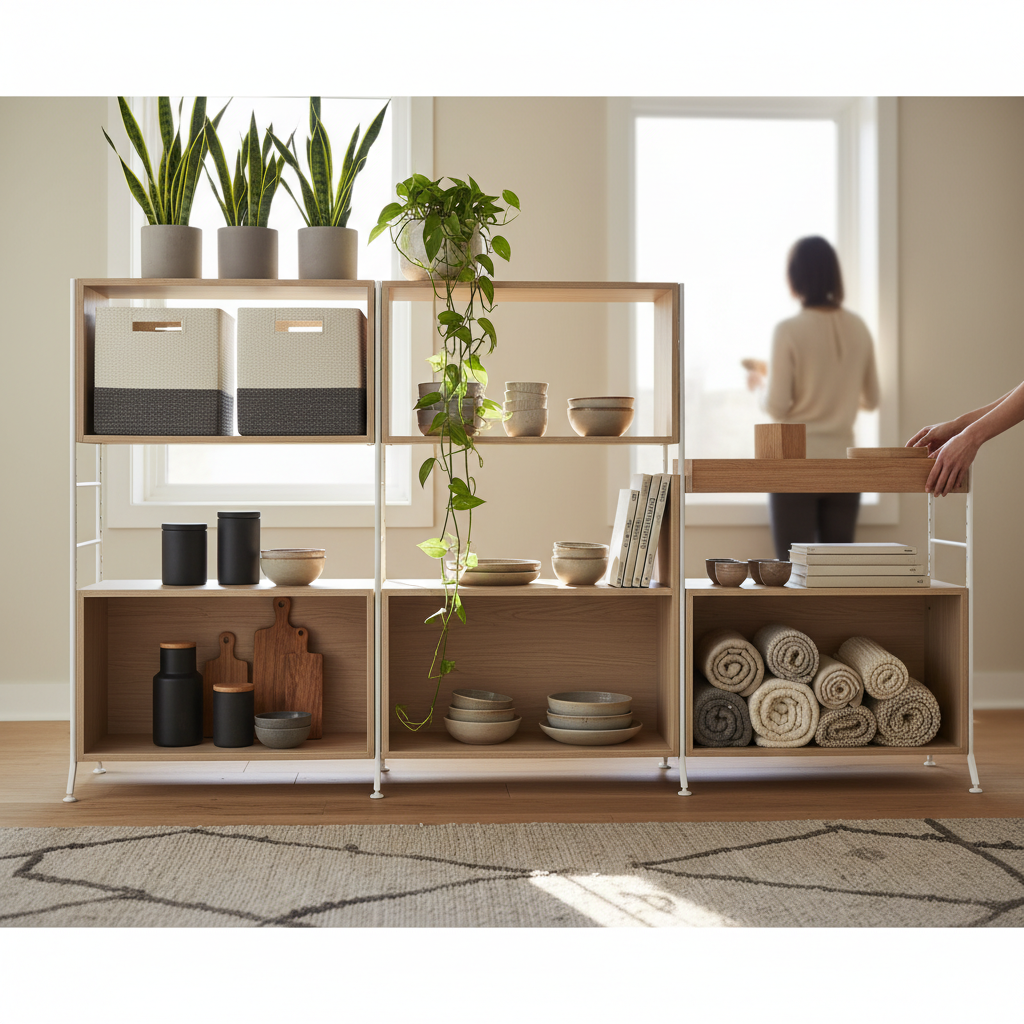
Defining Modular Storage Systems
Modular storage refers to a collection of individual units or components designed to be integrated and arranged in various configurations. These systems are not monolithic pieces of furniture but rather a series of interchangeable parts that can be assembled, disassembled, and reassembled to form a cohesive storage solution. The inherent flexibility of modularity allows for significant customization, enabling occupants to tailor their storage to specific items, room dimensions, and aesthetic preferences.
Core Principles of Modularity
The fundamental principle of modularity in storage lies in its ability to be scaled and adapted. Each module is an independent unit that functions both individually and as part of a larger system. This independence allows for easy addition, removal, or rearrangement of components without affecting the integrity of the overall structure. Standardization of dimensions and connection mechanisms ensures compatibility between different units, facilitating seamless integration and future expansion. The design philosophy often emphasizes functionality and efficiency, providing solutions that are both practical and aesthetically versatile.
Common Components
Modular storage systems typically comprise a range of standardized components that can be combined in numerous ways. Shelving units are a primary component, often available in various depths and widths, and sometimes adjustable in height. Drawers, another common element, come in different sizes and may include dividers or inserts for specialized organization. Cabinets, with or without doors, provide enclosed storage. Other components can include hanging rods for clothing, baskets, bins, wire racks, and specialized inserts for items like shoes, ties, or kitchen utensils. The supporting framework, such as vertical uprights or tracks, allows these various modules to be securely attached and repositioned.
Benefits of Modular Storage
The adoption of modular storage systems offers several advantages for enhancing home organization and overall living efficiency.
Adaptability and Flexibility
A primary benefit of modular storage is its inherent adaptability. As needs change, such as acquiring new items, redecorating a room, or moving to a different residence, the system can be modified rather than replaced. Components can be reconfigured to accommodate different item types, sizes, or quantities. This flexibility ensures that the storage solution remains relevant and functional over time, providing long-term utility.
Space Optimization
Modular systems are highly effective at optimizing available space. By selecting and arranging components precisely, often from floor to ceiling or wall to wall, otherwise unused areas can be utilized efficiently. This is particularly beneficial in small apartments or rooms with unconventional layouts, where standard furniture might not fit or fully maximize storage potential. Vertical space can be leveraged through stackable units and adjustable shelving.
Customization and Scalability
Customization is a hallmark of modular storage. Individuals can design a system that precisely addresses their specific organizational challenges, from storing extensive book collections to organizing art supplies or office documents. The scalability factor means that a system can start small and expand over time by adding more modules as required. This prevents over-purchasing and allows for gradual investment and expansion.
Portability and Reusability
Many modular systems are designed for easy assembly and disassembly, which contributes to their portability. This feature is particularly valuable for individuals who relocate frequently, as the storage system can move with them and be reconfigured to suit a new space. The reusability of components also aligns with principles of sustainable living, reducing the need to discard functional items and acquire new ones.
Considerations for Implementation
Before implementing a modular storage system, several factors warrant consideration to ensure it effectively meets organizational goals and integrates seamlessly into the home environment.
Assessing Needs and Space
A thorough assessment of current and future storage needs is crucial. This involves cataloging items to be stored, understanding their dimensions, and identifying access frequency. Equally important is a detailed measurement of the available space, considering wall dimensions, ceiling height, existing architectural features like windows or doorways, and potential obstructions. Planning the layout on paper or using design software can help visualize the most efficient configuration.
Material and Durability Factors
Modular storage systems are available in a variety of materials, each with distinct characteristics. Common materials include particleboard, MDF (medium-density fiberboard), solid wood, metal, and various plastics. The choice of material impacts durability, weight capacity, maintenance requirements, and overall cost. For areas with high humidity, specific materials designed to resist moisture may be preferred. Understanding the intended use and expected load helps in selecting appropriate materials for longevity.
Aesthetic Integration
Beyond functionality, the visual integration of a modular system into the existing interior design is a significant consideration. Systems come in various finishes, colors, and styles, ranging from minimalist and contemporary to more traditional. Selecting a design that complements the room's decor, color palette, and architectural style contributes to a cohesive and harmonious living space. Open shelving options also influence the aesthetic, as the stored items themselves become part of the visual display.
Installation and Assembly
The complexity of assembly and installation varies among modular systems. Some systems feature tool-free assembly, while others require basic tools and a more involved installation process, particularly those that mount to walls. Understanding the required effort and skill level for installation is important. For wall-mounted systems, ensuring proper anchoring to studs or using appropriate wall anchors is essential for safety and stability, particularly when storing heavy items.
Diverse Applications in Residential Spaces
Modular storage systems can be adapted to almost any room in a home, providing tailored organizational solutions.
Living Rooms and Entertainment Centers
In living rooms, modular units can form integrated entertainment centers, housing televisions, media devices, and a collection of books or decorative objects. Combinations of open shelves, closed cabinets, and drawers can manage visual clutter while maintaining accessibility to frequently used items. They can also create display areas for personal collections.
Bedrooms and Wardrobes
Within bedrooms, modular systems are highly effective for customizing wardrobes and closet interiors. Hanging sections, shoe racks, drawer units, and specialized compartments for accessories can be configured to suit individual clothing collections and storage preferences. This approach allows for a highly personalized and efficient use of closet space, adapting to different types of garments and accessories.
Home Offices and Studies
For home offices, modular storage provides solutions for organizing documents, office supplies, electronics, and books. Desks can be integrated into larger modular units, creating a streamlined workspace. Shelves can hold binders and files, while drawers can secure smaller items, contributing to a tidy and productive environment. This flexibility allows the workspace to evolve with changing professional needs.
Kitchens and Pantries
In kitchens and pantries, modular shelving and drawer inserts can optimize storage for food items, cookware, and small appliances. Adjustable shelves are useful for accommodating items of varying heights, while specialized pull-out drawers can organize spices or cleaning supplies. This enhances accessibility and visibility, making meal preparation and kitchen maintenance more efficient.
Entryways and Mudrooms
Entryways and mudrooms benefit from modular systems that offer solutions for coats, shoes, bags, and outdoor gear. Bench units, open cubbies, hooks, and narrow shelves can create a functional drop zone, helping to contain everyday items and prevent clutter from entering the main living areas. The system can be designed to match the traffic and storage demands of the household.
Utility Areas and Garages
For utility areas, such as laundry rooms, and garages, robust modular shelving and cabinet systems can organize tools, cleaning supplies, seasonal items, and bulk purchases. Heavy-duty metal or plastic components are often preferred for their durability in these demanding environments. The ability to rearrange units allows for efficient use of vertical and horizontal space, creating a highly organized and functional utility area.
Modular storage systems represent a versatile and practical approach to home organization, characterized by their adaptability, space-saving potential, and customization options. By understanding their core principles, components, and implementation considerations, individuals can leverage these systems to create highly functional and aesthetically integrated storage solutions that evolve with their living spaces and personal requirements.
More from home living
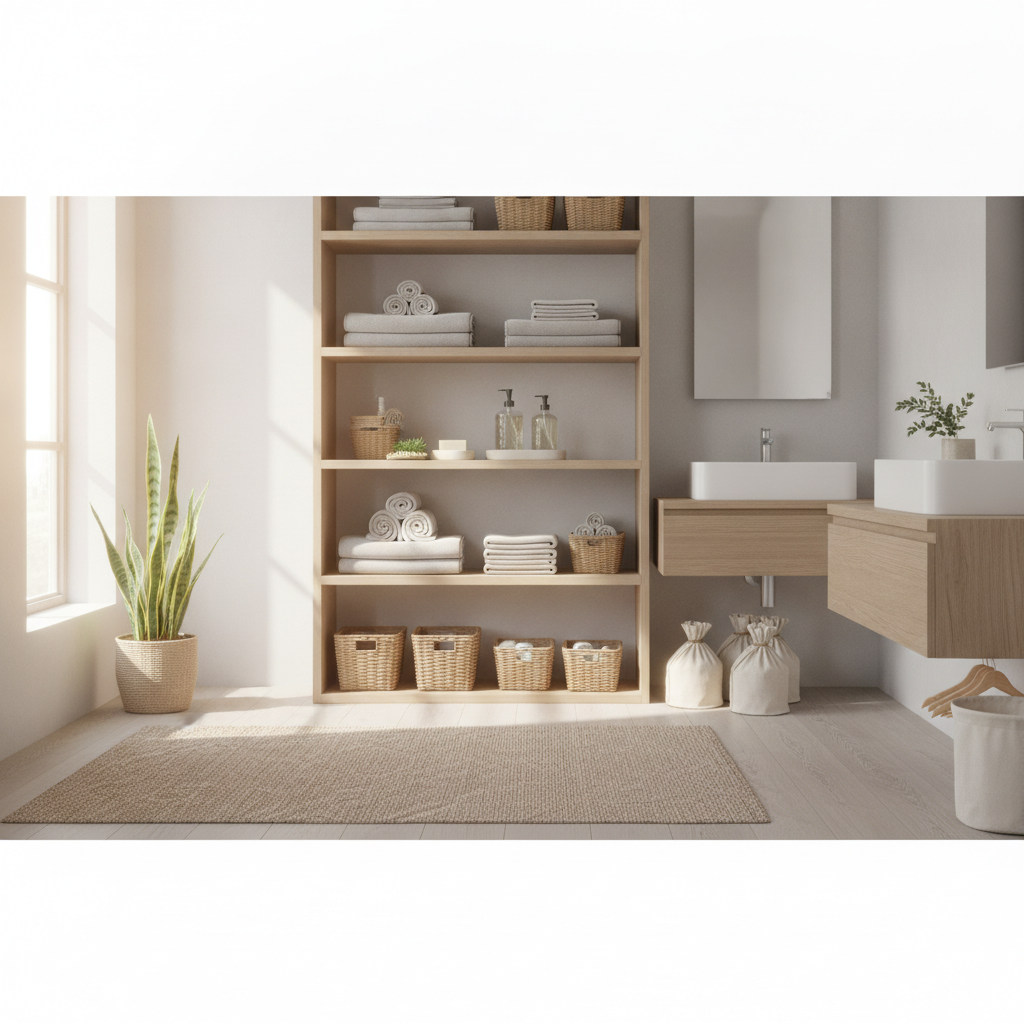
Smart Strategies for a Seamlessly Organized Bathroom Space
Transform your bathroom from cluttered chaos to a serene, functional space. Discover practical methods for organizing toiletries, linens, and cleaning supplies, enhancing daily routines and maintaining a tidy environment with ease.
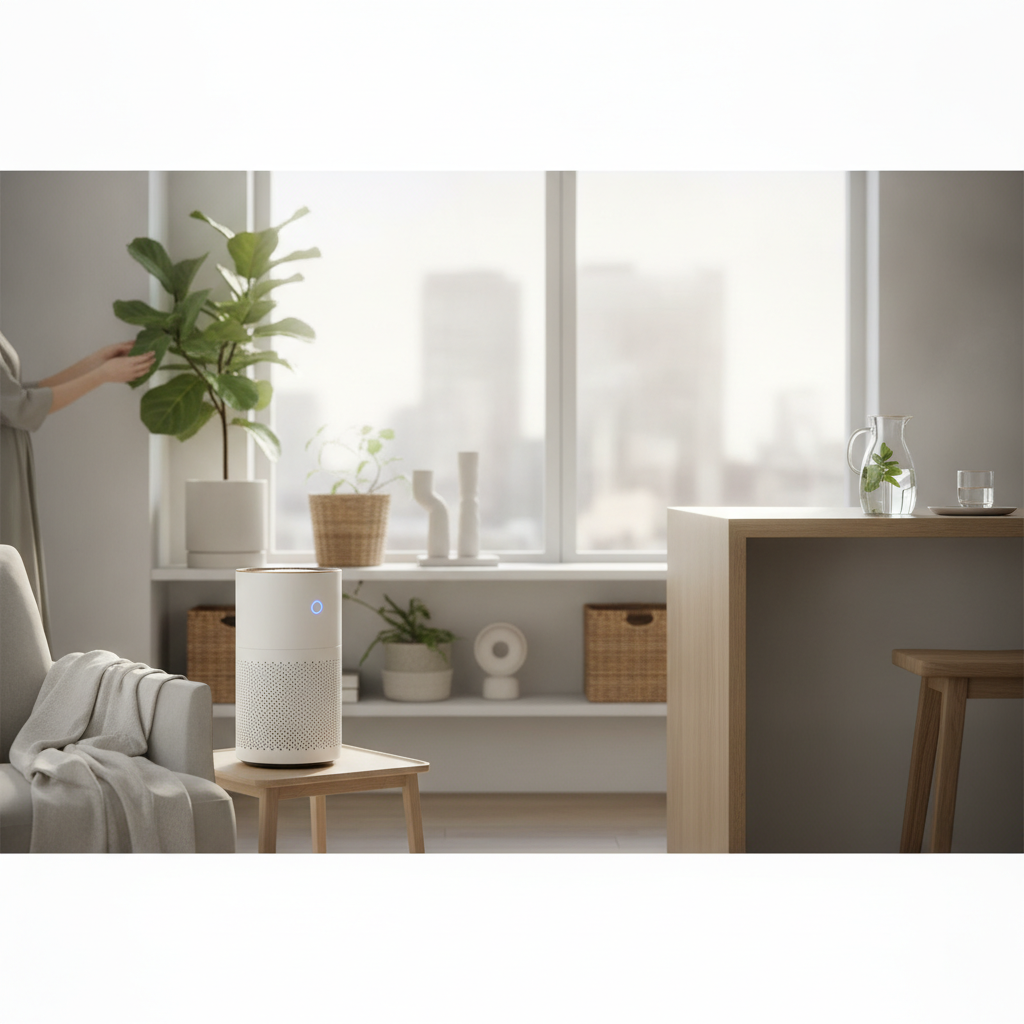
Selecting and Using Efficient Air Purifiers for Improved Indoor Air Quality
Discover how air purifiers can significantly enhance your home's indoor air quality. Learn about common pollutants, essential filtration technologies, and key factors for choosing the right device to create a healthier living environment.
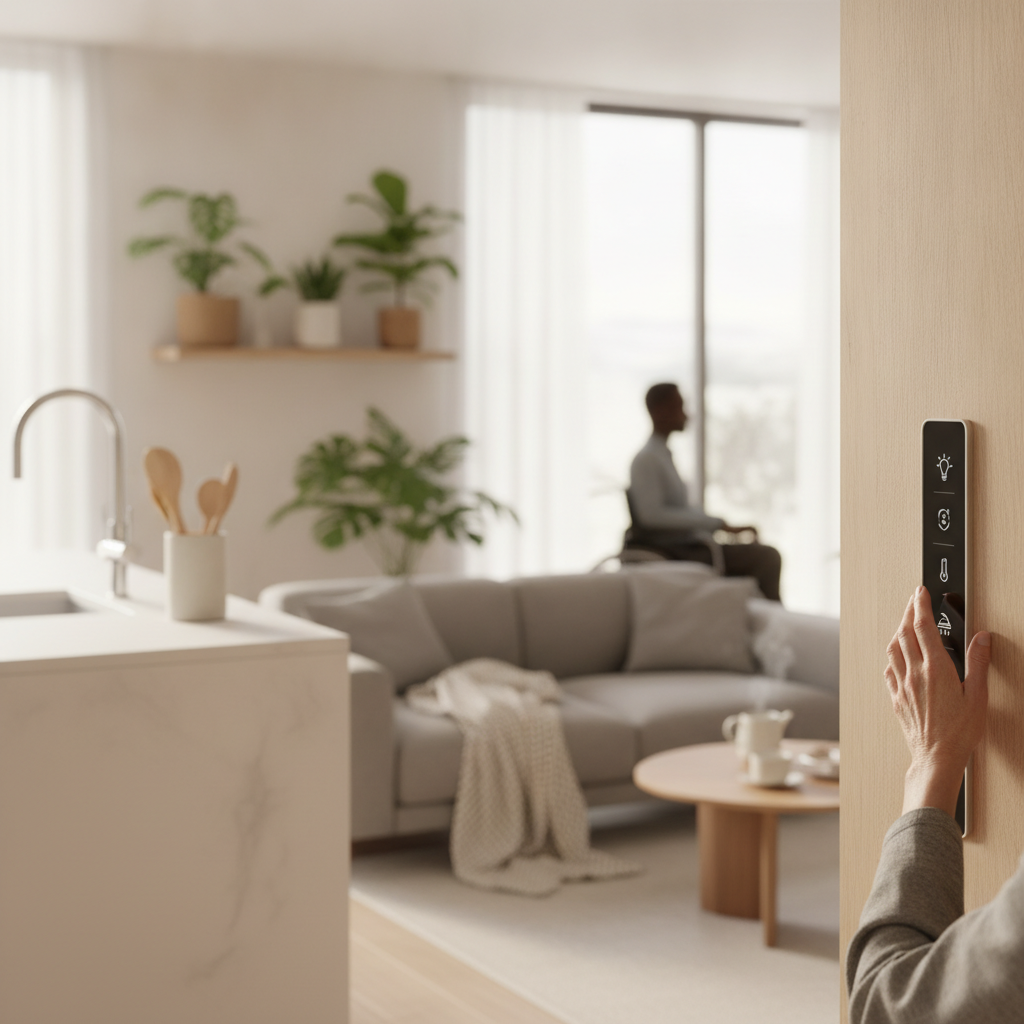
Smart Home Solutions for Enhanced Accessibility and Independent Living
Discover how smart home technology can significantly enhance accessibility and foster independent living for individuals of all abilities. Explore practical solutions for greater comfort, safety, and convenience in your daily routines.

Mastering Stain Removal: A Guide to Restoring Household Fabrics and Surfaces
Discover practical strategies for tackling common household stains on various fabrics and surfaces. This comprehensive guide provides actionable advice to help maintain the cleanliness and appearance of your home effectively.