
DIY Smart Home Integration: Enhancing Traditional Fixtures with Modern Technology
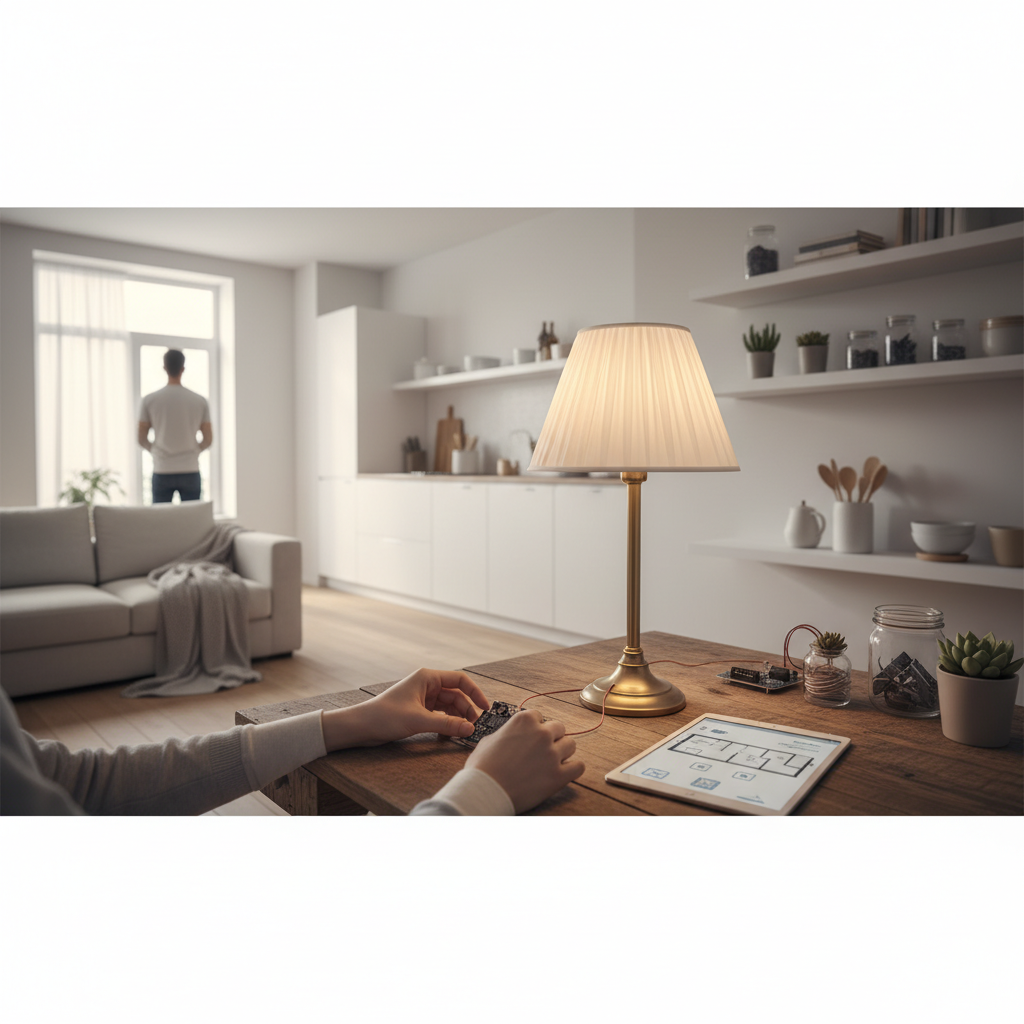
The integration of smart technology into existing home fixtures presents an avenue for homeowners to customize and enhance their living environments beyond what off-the-shelf smart devices typically offer. This approach, often termed DIY smart home integration, involves adapting traditional, non-smart components and systems with modern electronic controls, sensors, and communication capabilities. It allows for a more personalized level of automation, tailored to specific needs and preferences that pre-built solutions might not address. This article explores the fundamental principles, common methodologies, and key considerations involved in retrofitting and enhancing traditional home elements with smart technology, delving into the technical aspects that enable such transformations and outlining the various components and tools frequently utilized in these projects. It also examines the types of fixtures commonly targeted for integration and the critical factors that contribute to successful implementation, emphasizing the educational and informational aspects of this evolving field.
Principles of DIY Smart Home Integration
Successful DIY smart home integration is predicated on a foundational understanding of several core principles. These principles guide the design, implementation, and maintenance of customized smart systems, ensuring functionality, safety, and user satisfaction.
Understanding System Compatibility
A critical first step involves assessing the compatibility of various components. This includes understanding communication protocols (e.g., Wi-Fi, Zigbee, Z-Wave, Bluetooth), power requirements, and the interfaces needed to bridge traditional electrical or mechanical systems with digital controls. Interoperability between different manufacturers' devices or open-source platforms is a key consideration for seamless operation and expansion.
Prioritizing User Needs and Functionality
DIY smart home projects are often driven by specific requirements, such as enhanced convenience, energy efficiency, or improved security. Defining these needs clearly helps in selecting appropriate technologies and designing automation routines that genuinely add value. The focus remains on creating functional solutions that address real-world household challenges.
Emphasizing Safety and Security
Working with electrical components, power sources, and network connectivity necessitates a strong emphasis on safety. Proper wiring, insulation, circuit protection, and secure network configurations are paramount to prevent hazards and protect personal data. When dealing with electrical systems, consulting a qualified electrician is always advisable to ensure safety and compliance with local codes.
Common Approaches to Integrating Smart Technology
Several methodologies are commonly employed in DIY smart home integration, each offering distinct advantages depending on the project's scope and complexity.
Utilizing Smart Plugs and Switches
One of the simplest forms of integration involves smart plugs and wall switches. These devices can convert traditional appliances or light fixtures into smart, controllable entities without extensive modification. They typically connect to a home network and can be controlled via apps, voice commands, or scheduled automation routines.
Implementing Microcontrollers and Single-Board Computers
For more advanced custom solutions, microcontrollers like Arduino or ESP32, and single-board computers such as Raspberry Pi, serve as the brains of DIY smart systems. These platforms allow for direct programming and interfacing with a wide array of sensors, actuators, and communication modules, enabling highly specialized automation tasks not achievable with commercial off-the-shelf products.
Employing Sensor-Based Automation
Sensors play a crucial role in collecting data from the environment, which then triggers automated actions. Examples include motion sensors for lighting, temperature sensors for climate control, door/window sensors for security, and light sensors for dynamic brightness adjustment. Integrating these sensors with control logic allows for responsive and efficient home automation.
Leveraging Open-Source Platforms
Open-source smart home platforms, such as Home Assistant or OpenHAB, provide a flexible framework for integrating diverse devices and creating complex automation scenarios. These platforms offer extensive customization options, community support, and the ability to control devices from different ecosystems through a unified interface, often running on a dedicated single-board computer.
Types of Traditional Fixtures Suitable for Integration
Many traditional home fixtures can be enhanced with smart technology, transforming their functionality and contributing to a more automated living space.
Lighting Systems
Existing light fixtures, from overhead lights to lamps, can be made smart through smart bulbs, smart switches, or by integrating relays controlled by microcontrollers. This enables remote control, dimming capabilities, color changes, and scheduling, often linking to presence detection or time-of-day automation.
Window Coverings
Manual blinds, shades, or curtains can be motorized and integrated into a smart home system. This typically involves attaching small motors to the existing mechanisms and controlling them via a smart switch or microcontroller. Automation can then be based on time, sunlight levels, or even room occupancy.
HVAC and Environmental Controls
While smart thermostats are common, DIY integration can extend to non-smart heaters, fans, or ventilation systems. By using smart relays or custom-built controllers connected to temperature and humidity sensors, precise environmental control and energy management become possible.
Door Locks and Access Points
Traditional door locks can be retrofitted with smart mechanisms that allow for remote locking/unlocking, keyless entry via passcodes, or integration with security systems. This often involves replacing or augmenting the lock's internal mechanism with a smart module capable of networked communication.
Essential Tools and Components for DIY Projects
Engaging in DIY smart home integration requires a selection of tools and electronic components. Familiarity with these items is beneficial for successful project execution.
Basic Electronics Tools
Essential tools include multimeters for testing voltage and current, soldering irons for making electrical connections, wire strippers, and various screwdrivers. These tools facilitate the safe and effective assembly and modification of electronic circuits.
Microcontrollers and Development Boards
Devices like Arduino, ESP32, ESP8266, or Raspberry Pi are fundamental for custom smart home projects. These boards provide the processing power and input/output pins necessary to interface with sensors and actuators and to run custom software logic.
Communication Modules (Wi-Fi, Zigbee, Z-Wave)
To enable connectivity, various communication modules are utilized. Wi-Fi modules allow devices to connect directly to a home network. Zigbee and Z-Wave modules are often used for mesh networks, which are beneficial for extending range and managing numerous low-power devices. Understanding the strengths and weaknesses of each protocol is important for selecting the appropriate module for a given application.
Sensors and Actuators
Sensors collect data (e.g., motion, temperature, light, humidity, pressure), while actuators perform actions (e.g., turning lights on/off, opening blinds, controlling motors). Selecting the correct type and specification of sensors and actuators is crucial for meeting the functional requirements of an integrated system.
Considerations for Successful Integration
Beyond technical components, several practical considerations influence the success and longevity of DIY smart home integration projects.
Power Requirements and Wiring
Accurate assessment of power requirements for all components is vital. This includes understanding voltage, current draw, and ensuring proper power supply and wiring to prevent overloads or damage. Adherence to electrical safety standards is critical.
Network Infrastructure
A robust home network is the backbone of any smart home system. Ensuring adequate Wi-Fi coverage, sufficient bandwidth, and secure network configuration is essential for reliable communication between smart devices and controllers. For larger setups, dedicated smart home hubs or mesh networks may be beneficial.
Software Configuration and Programming
Many DIY projects involve writing or adapting software code for microcontrollers or configuring open-source platforms. Proficiency in basic programming concepts (e.g., Python, C++) or familiarity with YAML/JSON for configuration files can be highly advantageous. The software defines the logic and behavior of the smart system.
Scalability and Future Expansions
Considering future needs during the initial design phase can prevent complications later. Building a system that allows for easy addition of new devices or expansion of functionality ensures that the integrated solution remains relevant and adaptable as technology evolves or as household needs change. This foresight can include modular design and flexible coding practices.
DIY smart home integration represents an educational approach to home automation, empowering individuals to tailor their living spaces with precision. By understanding the underlying principles, available technologies, and critical considerations, it is possible to transform traditional fixtures into components of a sophisticated, personalized smart home environment.
More from home living
Smart Strategies for a Seamlessly Organized Bathroom Space
Transform your bathroom from cluttered chaos to a serene, functional space. Discover practical methods for organizing toiletries, linens, and cleaning supplies, enhancing daily routines and maintaining a tidy environment with ease.
Selecting and Using Efficient Air Purifiers for Improved Indoor Air Quality
Discover how air purifiers can significantly enhance your home's indoor air quality. Learn about common pollutants, essential filtration technologies, and key factors for choosing the right device to create a healthier living environment.
Smart Home Solutions for Enhanced Accessibility and Independent Living
Discover how smart home technology can significantly enhance accessibility and foster independent living for individuals of all abilities. Explore practical solutions for greater comfort, safety, and convenience in your daily routines.

Mastering Stain Removal: A Guide to Restoring Household Fabrics and Surfaces
Discover practical strategies for tackling common household stains on various fabrics and surfaces. This comprehensive guide provides actionable advice to help maintain the cleanliness and appearance of your home effectively.