home living
Smart home network infrastructure is fundamental to the reliable operation of connected devices. Understanding network components and configuration principles can enhance device performance and overall system efficiency within a residential setting.

home living
DIY smart home integration involves adapting non-smart home components with modern electronic controls and sensors. This approach offers personalized automation solutions, allowing homeowners to customize their living environments beyond standard off-the-shelf smart devices.

home living
The prospect of transforming a traditional home into a smart living space can seem daunting, particularly when faced with a multitude of existing analog systems. This article explores practical strategies for seamlessly integrating modern smart home technology with conventional setups, addressing common challenges and offering actionable guidance for a gradual, effective transition. From lighting and climate control to security and entertainment, understanding the interplay between old and new is crucial for enhancing convenience, energy efficiency, and overall home comfort without necessitating a complete overhaul.
home living
Smart home sensors represent the foundational elements of an automated and responsive living environment. These discreet devices continuously monitor various aspects of a home, from environmental conditions to presence detection, transforming static residences into dynamic, intelligent spaces. Understanding the diverse types of sensors available and their myriad applications is crucial for individuals seeking to enhance comfort, bolster security, optimize energy consumption, and simplify daily routines within their homes. This guide delves into the core technologies and practical implementations that empower homeowners to create a truly connected and intuitive living experience.
home living
Smart Home Energy Management Systems (SHEMS) represent a significant advancement in residential energy optimization, offering homeowners unprecedented control and insight into their energy consumption. These integrated platforms leverage connected devices and advanced analytics to monitor, manage, and reduce household energy use, contributing to both financial savings and environmental sustainability. This article explores the various components, benefits, and considerations involved in adopting a SHEMS, providing a comprehensive guide for those looking to enhance their home's energy efficiency and integrate smart technology into their daily living.
home living
Smart appliances represent a significant advancement in home technology, offering enhanced functionality and connectivity within the kitchen environment. This article explores the various types of smart kitchen devices, their underlying technologies, and how they interact within a broader smart home ecosystem.
home living
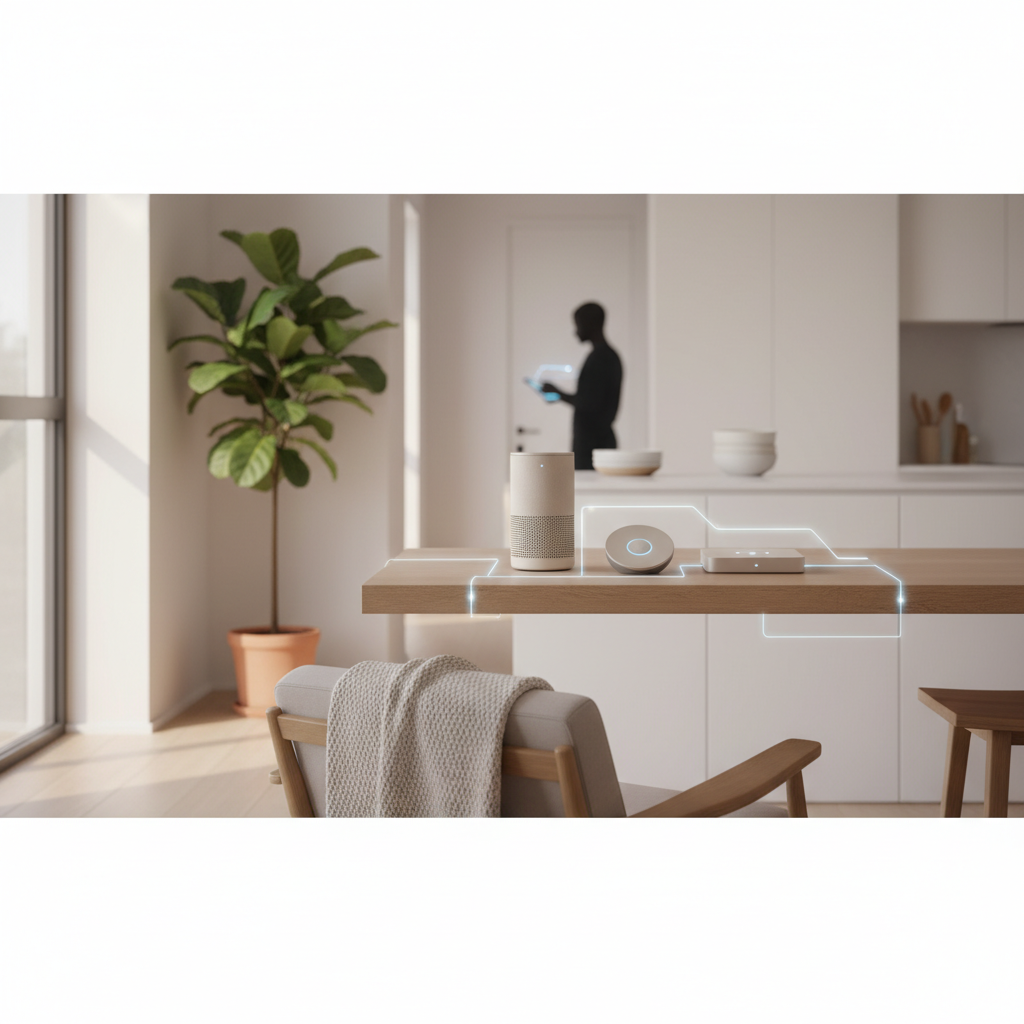
The concept of a smart home promises seamless automation and convenience, yet the reality can often involve a complex web of devices, protocols, and platforms that struggle to communicate. Understanding smart home interoperability and the various ecosystems available is paramount for consumers aiming to create a truly integrated and efficient living space. This article explores the foundational elements of smart home technology, delving into communication protocols, major platforms, and strategies for ensuring devices work together harmoniously, ultimately guiding readers toward building a cohesive and future-proof smart home.
home living
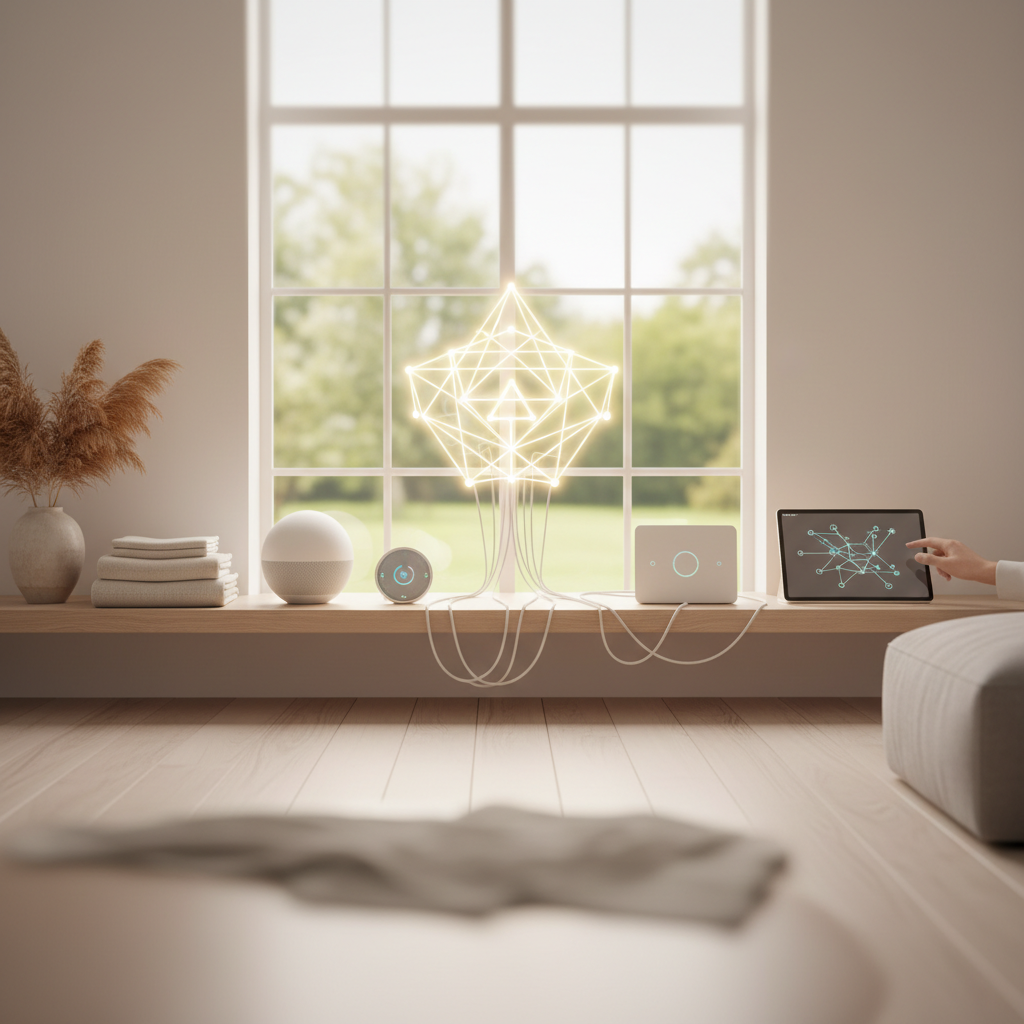
Wireless communication protocols form the foundational layer of modern smart home environments, facilitating device interaction and automated tasks. This article explores various protocols, detailing their operational principles, comparative advantages, and implications for system interoperability.
home living
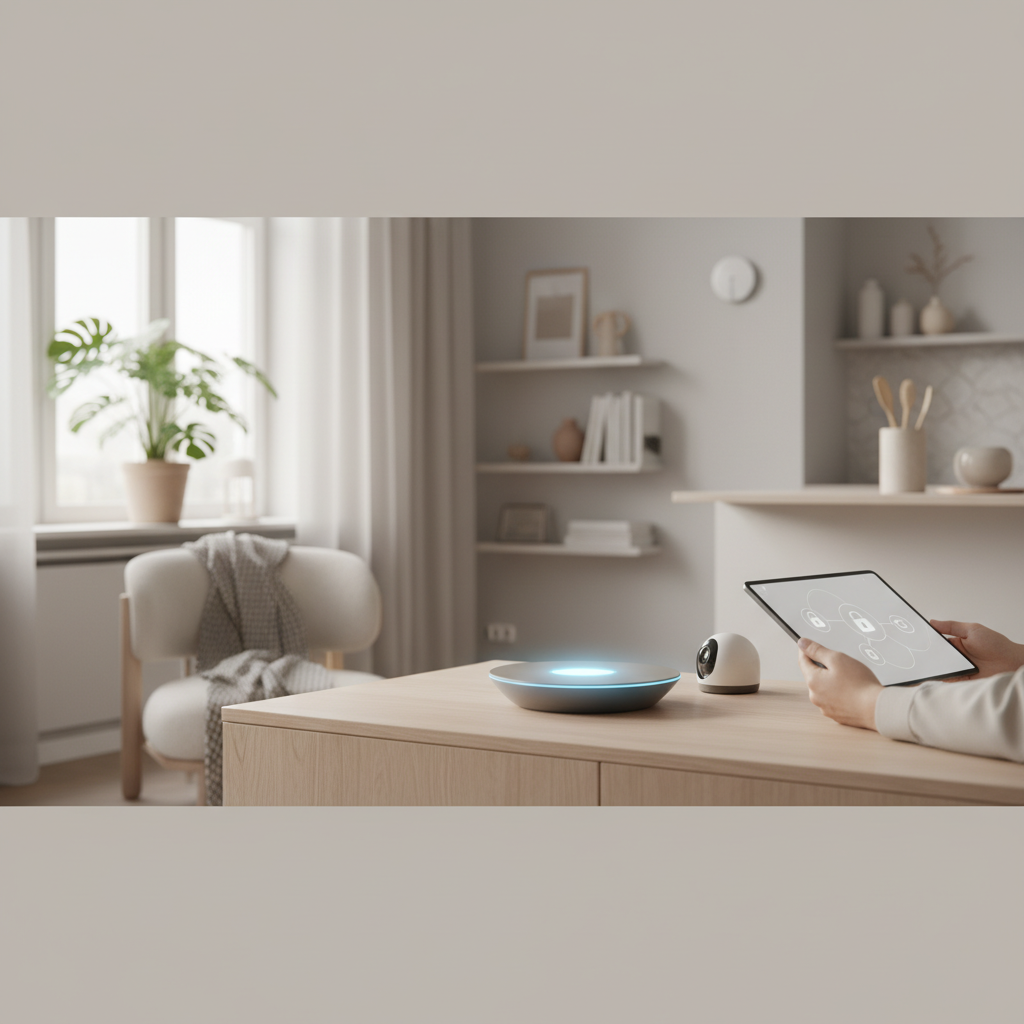
The landscape of home security has evolved significantly, moving beyond traditional alarm systems to embrace comprehensive, integrated smart home solutions. These advanced systems offer not only robust protection but also unparalleled convenience and control, allowing residents to manage their home's security posture from virtually anywhere. This article explores the various components of modern smart home security, the benefits of their seamless integration, and practical strategies for designing, implementing, and maintaining an effective residential security ecosystem.
home living
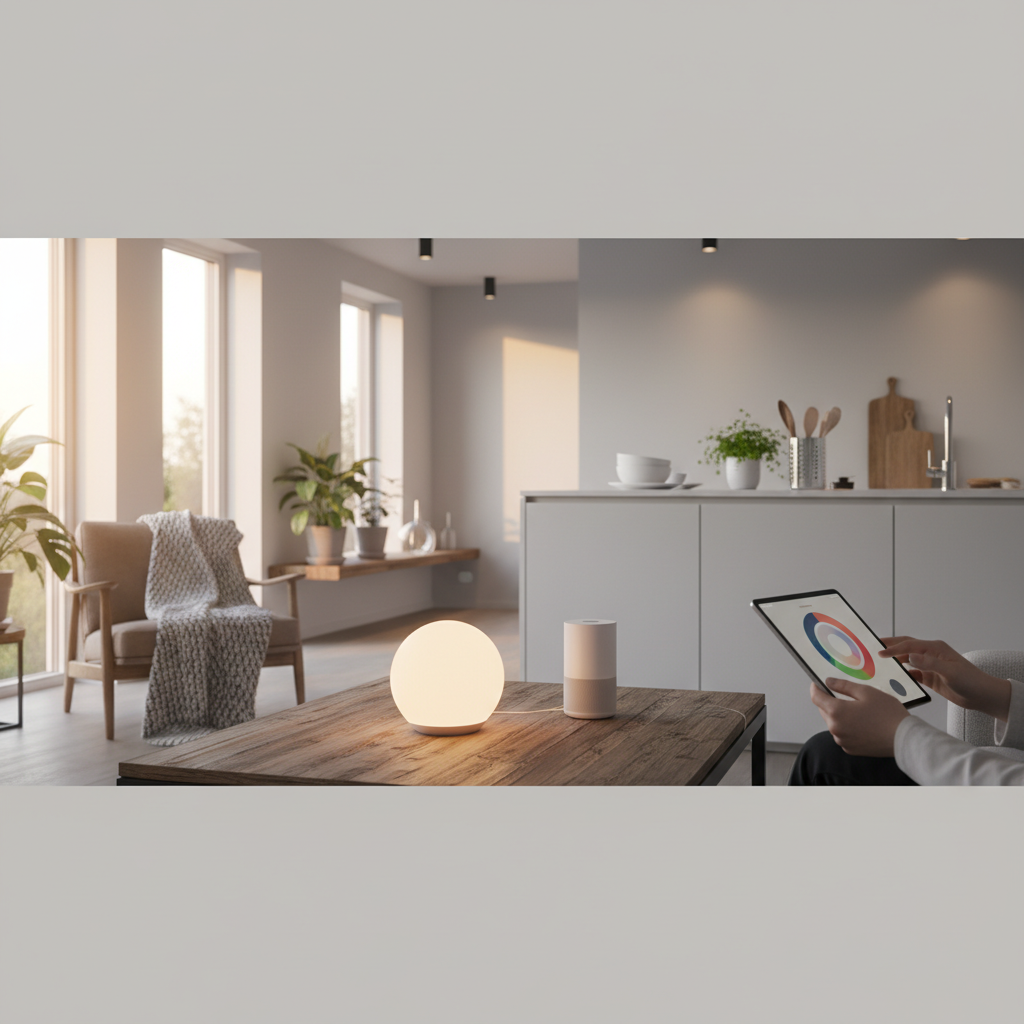
Smart lighting systems represent an advanced approach to residential illumination, moving beyond traditional manual controls to incorporate digital and automated functionalities. This technology allows for greater customization, energy management, and integration within the broader smart home ecosystem. This article examines the core components, control methods, benefits, and practical considerations involved in implementing smart lighting solutions.
home living
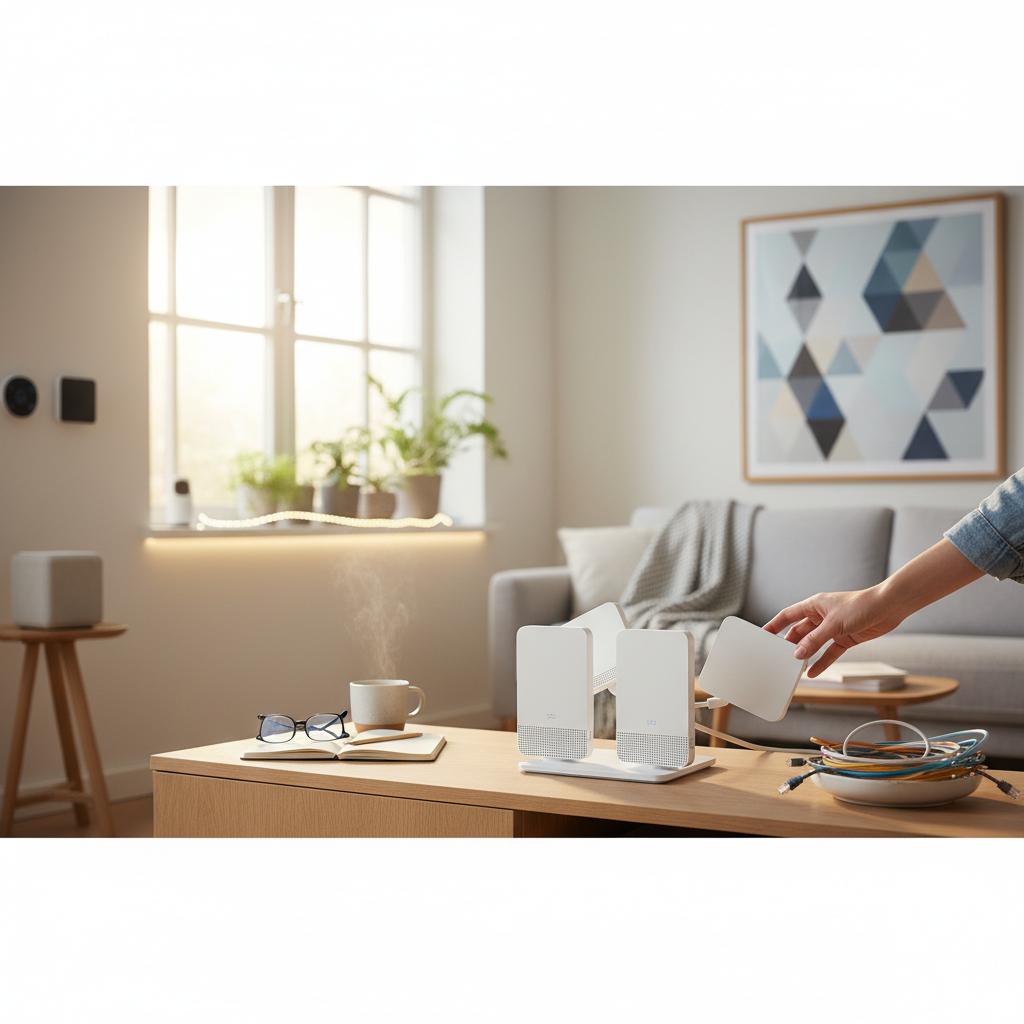
A robust home network is the backbone of any efficient smart home. This guide provides practical steps to assess, upgrade, and optimize your Wi-Fi and network infrastructure for reliable smart device performance and enhanced security.