
Seamlessly Integrating Smart Home Devices with Traditional Home Systems
In an increasingly connected world, the appeal of a smart home, offering enhanced convenience, energy efficiency, and security, is undeniable. However, for many homeowners, the journey from a traditional residence to an intelligent living environment is complicated by the presence of deeply embedded analog systems. These existing infrastructures, ranging from conventional light switches and thermostats to wired security systems and audio setups, represent a significant investment and often function perfectly well. The challenge, then, lies not in replacing everything, but in intelligently integrating new smart technologies with these established components. This approach allows for a phased adoption, leveraging current assets while progressively introducing modern capabilities, ultimately creating a cohesive and functional smart home ecosystem without the need for extensive renovations or prohibitive costs. Understanding the various integration points and available technologies is key to unlocking the full potential of smart home living within an existing framework.
Understanding the Integration Challenge
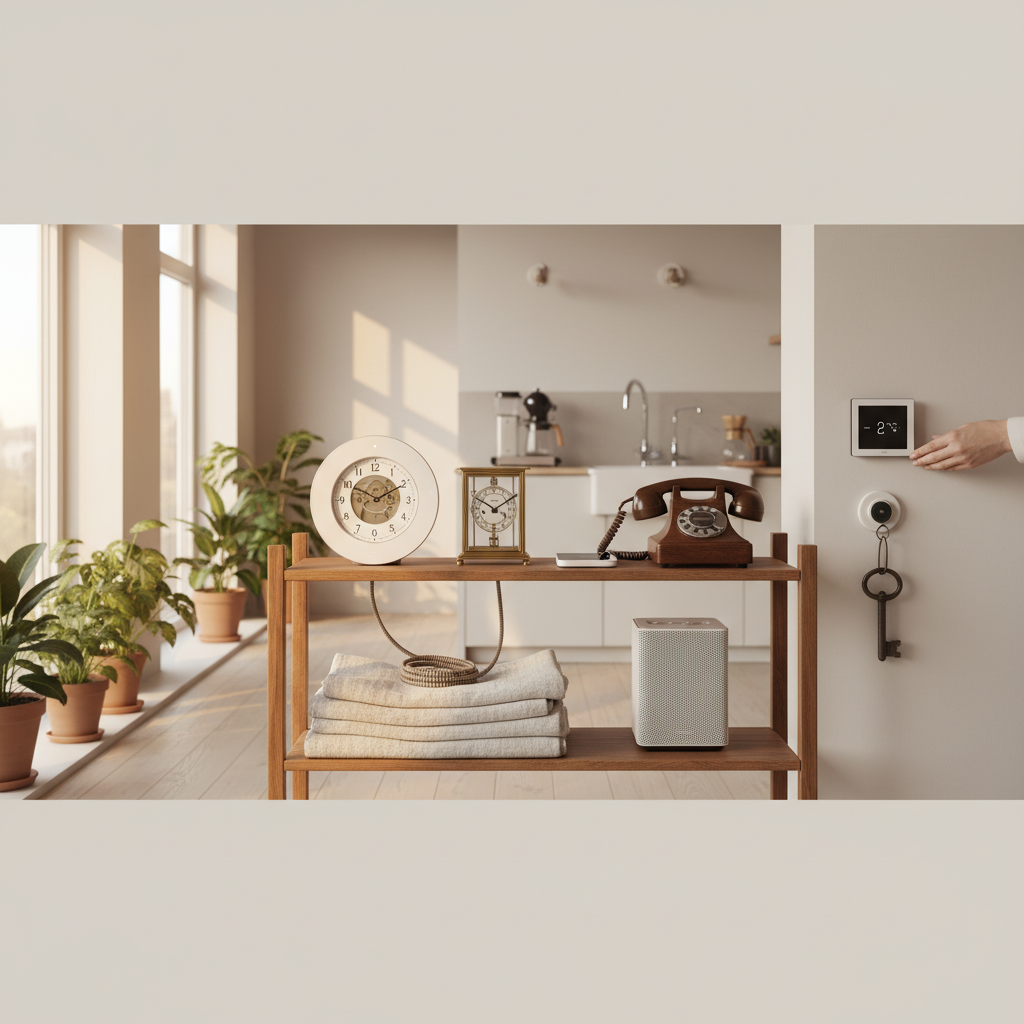
Traditional homes are replete with systems designed for manual or electro-mechanical operation. Lighting is controlled by wall switches, climate by mechanical thermostats, security by wired sensors, and entertainment by dedicated audio-visual components. The primary challenge in smart home integration is establishing communication and control pathways between these disparate analog systems and modern digital devices. Compatibility is often a concern, as older systems may not have the necessary interfaces or protocols to communicate directly with smart hubs or applications. Furthermore, considerations such as electrical wiring, network stability, and user interface complexity must be addressed to ensure a smooth transition and reliable operation.
Common Analog Systems and Their Integration Hurdles
- Lighting: Conventional incandescent or fluorescent fixtures controlled by simple on/off switches or basic dimmers lack the ability to be remotely controlled or scheduled without modification. The wiring itself may not be conducive to certain smart switch installations without a neutral wire.
- HVAC (Heating, Ventilation, and Air Conditioning): Older thermostats often use simple two-wire or millivolt systems, which may not be compatible with smart thermostats requiring common (C) wires or specific voltage ranges. Zone control can also be complex to retrofit.
- Security: Traditional wired alarm systems, while robust, typically operate on a closed loop. Integrating smart sensors or cameras often means running parallel systems or finding specific bridges.
- Entertainment: Legacy audio receivers and televisions lack network connectivity, making them inaccessible to smart home voice commands or centralized control platforms.
- Appliances: 'Dumb' appliances, such as coffee makers, lamps, or fans, simply plug into outlets and offer no inherent smart functionality.
Strategies for Gradual Integration
Rather than a disruptive overhaul, a phased, strategic approach to integrating smart technology with existing analog systems is often more practical and cost-effective. This involves identifying key areas where smart upgrades can yield the most significant benefits and employing solutions that act as bridges between the old and the new.
Prioritizing Key Areas for Smart Upgrades
Starting with high-impact areas can demonstrate the value of smart technology and build confidence for further integration. Lighting, climate control, and basic security elements are often excellent starting points due to their direct impact on daily living and relatively straightforward integration options.
Key Areas for Smart Home Integration
Smart Lighting Solutions
Integrating smart lighting offers immediate benefits in convenience, ambiance, and energy savings. Several approaches allow for the conversion of traditional lighting into a smart system.
- Smart Bulbs: The simplest method involves replacing existing bulbs with smart bulbs. These bulbs contain built-in Wi-Fi or Bluetooth connectivity, allowing them to be controlled via a smartphone app or voice assistant. They fit into standard sockets and require no changes to existing wiring or switches, though the physical switch must remain 'on' for the smart bulb to receive power and function remotely.
- Smart Switches and Dimmers: For a more comprehensive solution, smart wall switches or dimmer modules can replace traditional switches. These devices connect to the home's electrical wiring and network, allowing control over entire circuits of lights, regardless of the bulbs used. This method maintains the functionality of the physical switch while adding smart capabilities. Installation may require a neutral wire in the switch box, a common requirement for many smart switches.
- Plug-in Smart Outlets: For lamps or other plug-in light fixtures, smart outlets provide an easy way to add remote control and scheduling without any wiring changes. Simply plug the smart outlet into a wall socket, then plug the lamp into the smart outlet.
Enhancing HVAC with Smart Thermostats
Smart thermostats are a cornerstone of energy efficiency and comfort. They learn preferences, offer remote control, and can integrate with other smart home devices.
- Compatibility Check: The first step is to verify compatibility with the existing HVAC system's wiring. Many smart thermostats require a common (C) wire for continuous power. If a C-wire is not present, solutions such as a C-wire adapter or a smart thermostat that can operate without one (often by battery or power stealing) may be necessary.
- Zone Control Integration: For homes with multiple HVAC zones, specialized smart zone controllers can integrate with existing zone dampers and actuators, providing granular control over temperature in different areas of the house.
Smart Security Upgrades
Enhancing home security often involves supplementing existing systems rather than replacing them entirely.
- Smart Cameras: Wireless or wired smart cameras can be placed strategically to monitor entry points or specific areas. Many offer motion detection, two-way audio, and cloud storage, integrating with smart home platforms for unified control.
- Door and Window Sensors: Smart contact sensors can be affixed to doors and windows to detect opening and closing, sending alerts to a smartphone. These can complement existing magnetic contacts found in traditional wired alarm systems.
- Smart Locks: Replacing traditional deadbolts with smart locks provides keyless entry, remote locking/unlocking, and activity logs. Installation typically involves replacing the existing lock mechanism while retaining the door frame and strike plate.
- Integrating Wired Alarm Systems: Some smart home hubs offer modules or interfaces that can connect to the low-voltage zones of a traditional wired alarm panel, allowing the smart system to monitor the status of existing wired sensors.
Modernizing Entertainment Systems
Bridging the gap between analog audio/video equipment and smart control involves a few key devices.
- Universal Smart Remotes: Devices that emit infrared (IR) or radio frequency (RF) signals can learn commands from traditional remote controls and translate them into smart home commands. This allows a smartphone app or voice assistant to control non-smart TVs, stereos, and other IR-controlled devices.
- Smart Plugs for Audio Gear: For simple on/off control of receivers or speakers, a smart plug can be used to power them on or off, though this does not provide advanced control over functions like volume or input selection.
- Media Streamers: Connecting devices like Apple TV, Roku, or Chromecast to traditional televisions brings smart content streaming capabilities, often with voice control integration.
Smart Plugs for Everyday Appliances
For most 'dumb' appliances, smart plugs offer the most straightforward path to integration. These devices convert any standard electrical outlet into a smart outlet, allowing connected appliances to be turned on or off remotely, scheduled, or integrated into automation routines. This is ideal for coffee makers, fans, curling irons, or holiday lights, adding convenience and a layer of safety by ensuring devices are powered off when not in use.
Bridging the Gap: Hubs, Protocols, and Compatibility
At the heart of a successful smart home integration lies the communication infrastructure. Different smart devices use various wireless protocols, and a central hub often acts as a translator and coordinator.
- Smart Home Hubs: A central smart home hub (e.g., SmartThings, Hubitat, Apple HomeKit via HomePod/Apple TV, Amazon Echo with built-in hub) serves as the brain, connecting devices across different protocols (Wi-Fi, Zigbee, Z-Wave, Bluetooth) and allowing them to interact. These hubs provide a unified interface for control and automation.
- Wireless Protocols:
- Wi-Fi: Common for many devices (cameras, smart plugs, streaming devices) but can strain home networks if too many devices are connected.
- Zigbee and Z-Wave: Low-power mesh networks ideal for sensors, switches, and locks. They create robust networks where devices can relay signals to each other, extending range and reliability. These typically require a compatible hub.
- Bluetooth: Suitable for short-range, direct device-to-phone connections, less common for whole-home automation.
- Matter and Thread: Emerging standards like Matter, built on IP (Internet Protocol) and often using Thread as its network layer, aim to improve interoperability across different brands and ecosystems, simplifying future integration efforts.
Planning for Success
A thoughtful approach to planning is critical for effective integration.
Assessment and Prioritization
Begin by assessing current analog systems and identifying which areas would benefit most from smart upgrades. Consider daily routines, pain points, and desired outcomes (e.g., energy savings, convenience, security).
Phased Implementation
Start small with a few devices in one or two areas. This allows for experimentation, learning, and gradual expansion without overwhelming the user or the budget. Each successful integration builds confidence for the next phase.
Budget and Scalability
Establish a realistic budget for initial purchases and consider future expansion. Choose devices and platforms that offer scalability and compatibility with a wide range of products to avoid vendor lock-in.
Network Infrastructure
Ensure the home's Wi-Fi network is robust enough to handle additional smart devices. A mesh Wi-Fi system can provide broader coverage and better performance for a growing smart home.
Common Pitfalls and How to Avoid Them
While integration offers numerous benefits, certain challenges can arise.
- Over-Complication: Avoid adding smart features purely for novelty. Focus on solutions that genuinely simplify tasks or solve problems. Too many disparate apps or complex routines can detract from the user experience.
- Security Vulnerabilities: Ensure all smart devices and hubs are purchased from reputable manufacturers, kept updated with the latest firmware, and protected with strong, unique passwords. A dedicated guest Wi-Fi network for smart devices can add an extra layer of security.
- Network Strain: An excessive number of Wi-Fi devices can slow down the home network. Prioritize Zigbee or Z-Wave devices for sensors and switches where possible, as they create their own mesh network and reduce Wi-Fi congestion.
- Compatibility Issues: Always verify device compatibility with existing systems and chosen smart home platforms before making a purchase. Research user reviews and manufacturer specifications carefully.
Disclaimer
This article provides general information regarding smart home integration. Electrical work and certain installations can be complex and potentially hazardous. It is highly recommended to consult with qualified electricians or smart home professionals for any wiring modifications, HVAC system integration, or complex security system setups to ensure safety and proper functionality. Always follow local electrical codes and manufacturer instructions for all devices.
Integrating smart home technology with existing analog systems is not merely feasible; it is often the most practical and efficient path to a smarter living environment. By adopting a methodical, phased approach and leveraging smart hubs, protocol bridges, and intelligent device selection, homeowners can progressively enhance their residences with modern conveniences, improved security, and greater energy efficiency. The key lies in understanding the existing infrastructure, choosing compatible solutions, and planning for a gradual evolution rather than a revolutionary overhaul, thereby creating a connected home that truly works in harmony with its traditional foundations. The journey to a smarter home is an ongoing process of thoughtful enhancement and adaptation.
More from home living
Smart Strategies for a Seamlessly Organized Bathroom Space
Transform your bathroom from cluttered chaos to a serene, functional space. Discover practical methods for organizing toiletries, linens, and cleaning supplies, enhancing daily routines and maintaining a tidy environment with ease.
Selecting and Using Efficient Air Purifiers for Improved Indoor Air Quality
Discover how air purifiers can significantly enhance your home's indoor air quality. Learn about common pollutants, essential filtration technologies, and key factors for choosing the right device to create a healthier living environment.
Smart Home Solutions for Enhanced Accessibility and Independent Living
Discover how smart home technology can significantly enhance accessibility and foster independent living for individuals of all abilities. Explore practical solutions for greater comfort, safety, and convenience in your daily routines.

Mastering Stain Removal: A Guide to Restoring Household Fabrics and Surfaces
Discover practical strategies for tackling common household stains on various fabrics and surfaces. This comprehensive guide provides actionable advice to help maintain the cleanliness and appearance of your home effectively.