
Leveraging Smart Home Sensors for an Intelligent Living Space: A Comprehensive Guide
Smart home sensors represent the foundational elements of an automated and responsive living environment. These discreet devices continuously monitor various aspects of a home, from environmental conditions to presence detection, transforming static residences into dynamic, intelligent spaces. Understanding the diverse types of sensors available and their myriad applications is crucial for individuals seeking to enhance comfort, bolster security, optimize energy consumption, and simplify daily routines within their homes. This guide delves into the core technologies and practical implementations that empower homeowners to create a truly connected and intuitive living experience. The integration of these small, yet powerful, components allows for proactive responses to changes in a home's state, enabling systems to react automatically without direct human intervention. This level of automation not only adds convenience but also contributes significantly to safety, efficiency, and overall peace of mind, making the residence a more adaptive and supportive habitat for its occupants.
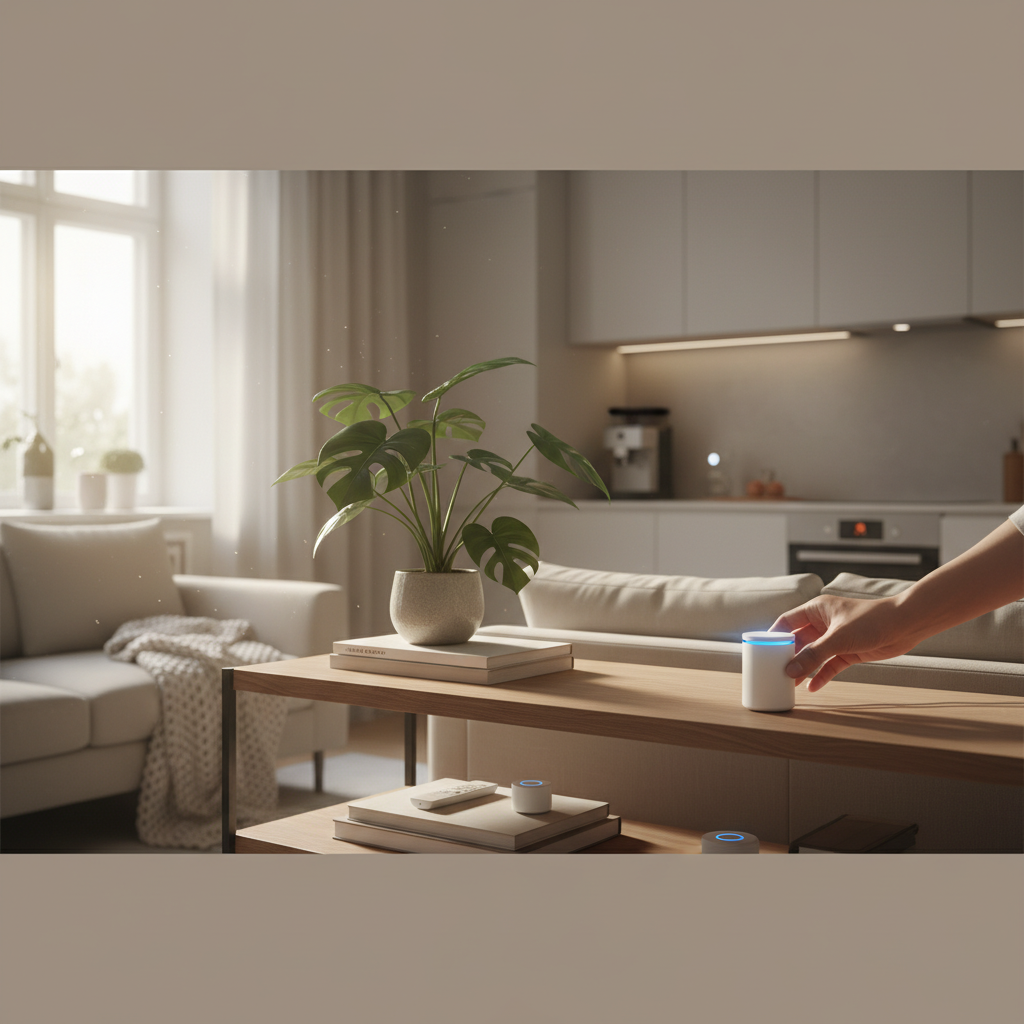
Understanding the Foundation: What Are Smart Home Sensors?
Smart home sensors are devices designed to detect and respond to events or changes in their physical environment. They act as the 'eyes and ears' of a smart home system, collecting data that is then interpreted by a central hub or a connected application to trigger actions. These actions can range from turning on lights when motion is detected to sending an alert when a door is opened unexpectedly. The sophistication of these sensors varies widely, but their fundamental purpose remains consistent: to provide real-time information about the home's status.
Passive vs. Active Sensors
Sensors can generally be categorized into passive and active types based on their operational method. Passive sensors, such as Passive Infrared (PIR) motion detectors, do not emit energy but instead detect changes in existing energy or conditions, like infrared radiation (heat) emitted by a human body. They are typically energy-efficient because they only 'listen' to their environment. Active sensors, conversely, emit their own energy (e.g., sound waves, light, or radio waves) and then measure the reflection or disruption of that energy to detect objects or changes. Ultrasonic sensors used for presence detection or some types of radar sensors fall into this category. Each type has specific advantages and is suited for different applications based on accuracy, range, and power consumption requirements.
Wired vs. Wireless Protocols
The connectivity of smart home sensors is a critical consideration for installation and performance. Wired sensors, while often requiring more complex installation, offer highly reliable connections, reduced latency, and are less susceptible to interference or battery depletion. They are frequently used in permanent installations or for critical security systems where consistent operation is paramount. Wireless sensors, utilizing protocols such as Wi-Fi, Bluetooth, Zigbee, Z-Wave, or Thread, offer flexibility in placement and easier installation. They are powered by batteries or small solar panels, making them ideal for retrofitting existing homes or for applications where wiring is impractical. The choice between wired and wireless often depends on the specific application, the structure of the home, and the desired balance between reliability and convenience.
Key Types of Smart Home Sensors and Their Applications
The array of available smart home sensors is extensive, each designed to monitor specific environmental parameters or events. Understanding these distinct types is the first step towards building a truly intelligent living space.
Motion and Occupancy Sensors
Motion sensors detect movement within a designated area, often using PIR technology. Occupancy sensors are a more advanced variant, capable of distinguishing between general movement and the sustained presence of a person, even when they are stationary. These sensors are fundamental for automated lighting, security systems, and climate control, ensuring lights are on only when a room is occupied or adjusting thermostat settings based on presence.
Door and Window Contact Sensors
These sensors consist of two parts, typically a magnet and a sensor, placed on a door or window and its frame. When the door or window is opened, the connection between the two parts is broken, triggering an alert. They are essential for home security, notifying occupants of unauthorized entry, and can also be used for energy efficiency, such as pausing climate control when a window is left open.
Environmental Sensors: Temperature, Humidity, Air Quality
Environmental sensors provide crucial data about the internal conditions of a home. Temperature sensors work with smart thermostats to maintain desired climate settings. Humidity sensors can trigger dehumidifiers or humidifiers to prevent mold growth or improve comfort. Air quality sensors detect pollutants like volatile organic compounds (VOCs), carbon dioxide (CO2), and particulate matter, enabling smart ventilation systems to activate when air quality deteriorates, promoting a healthier indoor environment.
Light Sensors (Ambient Light)
Ambient light sensors measure the amount of natural light present in a room. This data can be used to automatically adjust indoor lighting levels, dimming or brightening lights to complement natural light and conserve energy. They can also control smart blinds or shades, closing them during peak sunlight to reduce heat gain or opening them to maximize daylight harvesting.
Leak and Flood Sensors
These sensors are strategically placed in areas prone to water leaks, such as under sinks, near water heaters, or in basements. Upon detecting water, they can trigger an alarm, send notifications to the homeowner, and in some advanced systems, even shut off the main water supply to prevent extensive damage. They are invaluable for protecting property from costly water damage.
Smoke and Carbon Monoxide Detectors
While traditional smoke and CO detectors are standard safety equipment, smart versions integrate with the home's broader automation system. They can send immediate alerts to smartphones, trigger connected lighting to illuminate escape routes, and even notify emergency services directly. These intelligent detectors offer an enhanced layer of safety and peace of mind.
Glass Break Sensors
Designed to detect the specific sound frequencies associated with breaking glass, these sensors provide an additional layer of security for windows and glass doors. They can trigger an alarm before an intruder even enters the home, offering an early warning that complements traditional contact sensors.
Enhancing Daily Living: Practical Applications
The true power of smart home sensors lies in their ability to integrate and create sophisticated automation routines that enhance various aspects of daily living.
Automated Lighting and Climate Control
By combining motion, occupancy, and ambient light sensors, lighting systems can be programmed to activate only when a room is in use and adjust brightness based on natural light conditions. Similarly, temperature and humidity sensors work with smart thermostats to maintain optimal climate, learning preferences and adapting to occupancy patterns to reduce energy waste.
Advanced Security and Monitoring
Integration of door/window sensors, motion sensors, glass break detectors, and smart cameras creates a robust security ecosystem. When a sensor is triggered, the system can activate alarms, record video footage, turn on lights, and send immediate notifications to homeowners or monitoring services. This comprehensive approach provides constant vigilance and rapid response capabilities.
Energy Management and Conservation
Smart sensors are instrumental in promoting energy efficiency. Occupancy sensors can ensure heating, cooling, and lighting are only used in occupied areas. Contact sensors on windows and doors can temporarily pause climate control when they are open. Ambient light sensors reduce the need for artificial lighting. These integrations lead to significant reductions in energy consumption and utility costs.
Elder Care and Accessibility
For elderly individuals or those with mobility challenges, smart sensors can significantly improve safety and independence. Motion sensors can detect falls, and contact sensors can monitor if a loved one has left the house at unusual hours. Environmental sensors can ensure comfortable and safe living conditions, while automated lighting reduces the risk of accidents in the dark.
Preventative Maintenance and Disaster Mitigation
Leak sensors, integrated with smart water shut-off valves, can prevent catastrophic water damage. Smart smoke and CO detectors provide critical early warnings. These preventative measures protect property and lives, often saving homeowners from significant repair costs and emotional distress.
Integration and Ecosystems
Effective smart home sensor deployment relies heavily on robust integration within a cohesive ecosystem. The interoperability between different devices and platforms is crucial for realizing the full potential of these technologies.
Central Hubs and Controllers
A central smart home hub acts as the brain of the system, receiving data from various sensors and orchestrating actions across connected devices. These hubs often support multiple wireless protocols, allowing for a diverse range of sensors and devices to communicate seamlessly. Examples include hubs from companies like SmartThings, Apple HomeKit, Google Home, and Amazon Alexa, which provide a unified interface for control and automation.
Platform Compatibility
When selecting smart home sensors, it is important to consider their compatibility with existing or planned smart home platforms. Devices that adhere to open standards or are certified for major ecosystems tend to offer greater flexibility and ease of integration. Researching device specifications and checking for platform support before purchase can prevent compatibility issues and ensure a smooth setup process.
Data Privacy and Security Considerations
As smart home systems collect sensitive data about a home's environment and occupants, data privacy and security are paramount. Homeowners should prioritize devices and platforms that offer robust encryption, secure authentication methods, and transparent data handling policies. Regularly updating device firmware, using strong passwords, and segmenting smart home devices on a separate network can further enhance security and protect personal information from unauthorized access.
Disclaimer
While smart home technology can significantly enhance safety, comfort, and convenience, it is important to remember that these systems are tools and not substitutes for personal vigilance or adherence to local safety codes and regulations. Users are advised to install and maintain devices according to manufacturer guidelines and consider professional assistance where appropriate for critical functions like security or fire detection systems. Technology can fail, and regular checks of all smart home components, including sensor functionality and battery levels, are recommended to ensure continuous and reliable operation.
Conclusion
Smart home sensors are more than mere gadgets; they are the intelligent foundation upon which a truly responsive and efficient living space is built. By detecting changes in their environment and communicating this information, these devices enable automated responses that enhance comfort, bolster security, and promote energy conservation. From managing lighting and climate to providing critical alerts for safety and security, the diverse applications of smart home sensors offer a transformative approach to modern living. As technology continues to advance, the capabilities and integration possibilities of these essential components will only expand, paving the way for even more intuitive and supportive homes.
More from home living

Smart Strategies for a Seamlessly Organized Bathroom Space
Transform your bathroom from cluttered chaos to a serene, functional space. Discover practical methods for organizing toiletries, linens, and cleaning supplies, enhancing daily routines and maintaining a tidy environment with ease.
Selecting and Using Efficient Air Purifiers for Improved Indoor Air Quality
Discover how air purifiers can significantly enhance your home's indoor air quality. Learn about common pollutants, essential filtration technologies, and key factors for choosing the right device to create a healthier living environment.
Smart Home Solutions for Enhanced Accessibility and Independent Living
Discover how smart home technology can significantly enhance accessibility and foster independent living for individuals of all abilities. Explore practical solutions for greater comfort, safety, and convenience in your daily routines.

Mastering Stain Removal: A Guide to Restoring Household Fabrics and Surfaces
Discover practical strategies for tackling common household stains on various fabrics and surfaces. This comprehensive guide provides actionable advice to help maintain the cleanliness and appearance of your home effectively.