
Optimizing Residential Security with Integrated Smart Home Systems
The landscape of residential security has undergone a profound transformation, moving beyond conventional alarm systems to encompass a sophisticated array of interconnected devices. Modern smart home security systems are designed to provide a comprehensive layer of protection, integrating various technologies to monitor, detect, and respond to potential threats. This evolution offers homeowners enhanced control, real-time alerts, and the ability to manage their property's safety from remote locations. The core principle behind these systems is the seamless interaction between diverse components, creating an intelligent network that offers both deterrence and rapid response capabilities, ultimately contributing to a greater sense of peace and safety within the home environment. The transition to integrated systems represents a significant shift, emphasizing not just reactive measures but proactive monitoring and automated responses tailored to individual residential needs.
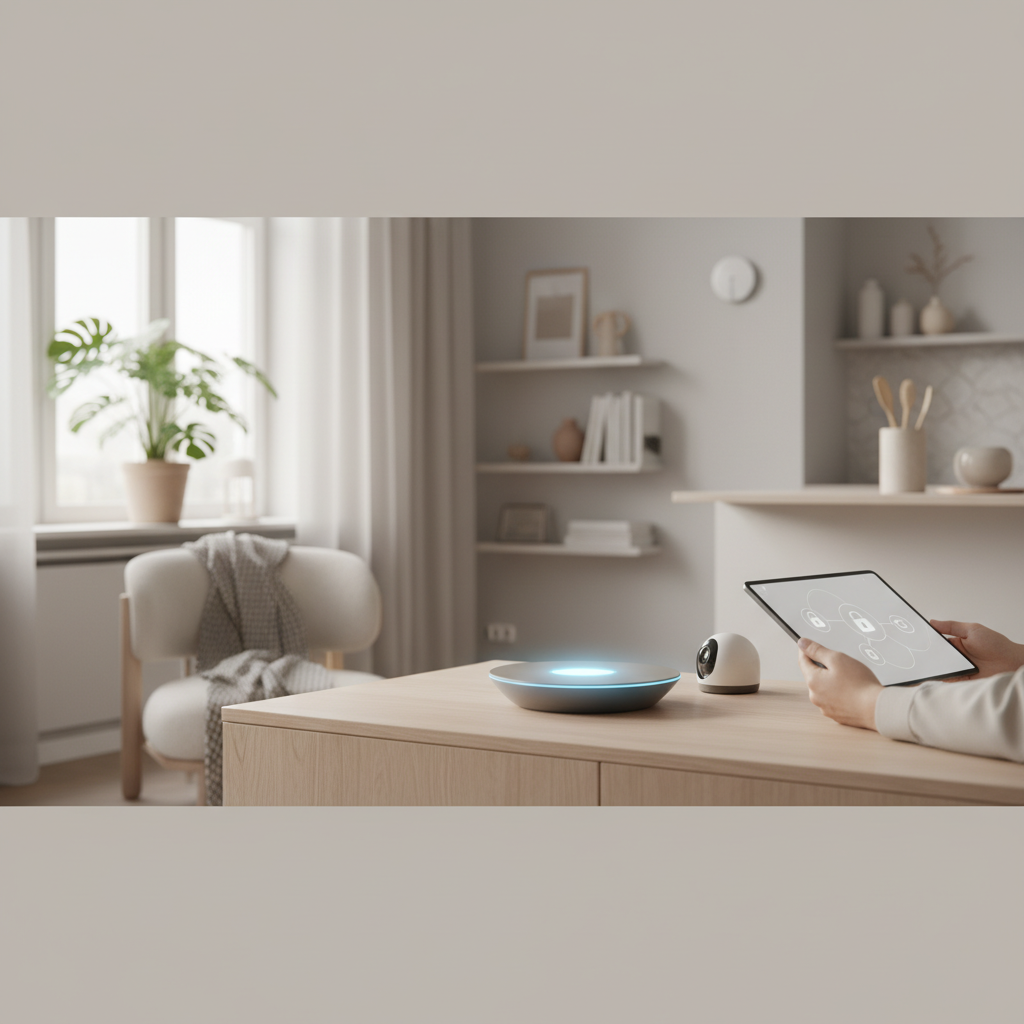
Understanding the Core Components of Smart Home Security
A robust smart home security system is built upon several fundamental components, each playing a crucial role in the overall protective framework. Understanding these elements is the first step toward designing an effective and integrated solution.
Sensors for Comprehensive Detection
Sensors are the eyes and ears of a smart security system. Door and window sensors detect unauthorized entry by monitoring opening and closing. Motion sensors, often employing passive infrared (PIR) technology, identify movement within a defined area, triggering alerts or recordings. Glass break sensors are specifically designed to detect the sound frequency of shattering glass, providing an early warning against forced entry. Beyond intrusion, environmental sensors monitor for smoke, carbon monoxide, and water leaks, offering crucial protection against common household hazards and integrating these alerts into the security ecosystem.
Surveillance Cameras for Visual Verification
Security cameras provide visual verification and monitoring capabilities. Indoor cameras can offer peace of mind by allowing residents to check on pets or children, while outdoor cameras deter potential intruders and record activity around the property perimeter. Doorbell cameras combine a traditional doorbell with a camera, motion sensor, and two-way audio, enabling communication with visitors and monitoring of package deliveries. Advanced features like pan-and-tilt functionality, night vision, and local or cloud storage options enhance their utility and versatility.
Access Control Systems
Smart locks represent a significant advancement in access control, allowing keyless entry via passcodes, smartphone apps, or biometric recognition. These locks can be integrated to disarm the security system upon unlocking and can provide logs of who entered and when. Smart garage door openers offer similar remote control and monitoring, ensuring that this common entry point is secured and can be managed from anywhere.
Central Hubs and Controllers
At the heart of any integrated smart home security system is a central hub or controller. This device acts as the brain, connecting all the disparate components (sensors, cameras, locks) and enabling them to communicate and operate as a unified system. It processes data, executes programmed automations, and facilitates communication with residents via a smartphone app or web portal. The choice of a central hub often dictates the compatibility and scalability of the entire system.
The Power of Integration: Why It Matters
Integration elevates individual smart devices from standalone gadgets to components of a cohesive and intelligent security network. The benefits of such integration extend beyond mere convenience, offering enhanced protection and responsiveness.
Unified Control and Automation
An integrated system allows for unified control through a single app or interface, eliminating the need to manage multiple devices from different applications. This centralization simplifies operation and reduces complexity. Furthermore, integration enables powerful automation, where one device's action can trigger a response from another. For example, a motion sensor detecting activity late at night could automatically turn on exterior lights, lock smart doors, and begin recording on security cameras.
Enhanced Monitoring and Alerts
With integrated systems, alerts are more comprehensive and context-rich. Instead of receiving a simple 'door opened' notification, an integrated system might send an alert stating 'front door opened, motion detected in living room, and camera recording initiated.' This richer information allows for more informed decision-making and quicker responses. Professional monitoring services can also be integrated, providing an additional layer of security with trained personnel responding to alerts.
Remote Management and Scalability
Integrated smart security systems offer unparalleled remote management capabilities. Residents can arm or disarm their system, view live camera feeds, unlock doors for guests, and receive real-time notifications from any location with internet access. Moreover, these systems are inherently scalable, allowing for the addition of new devices and features over time, adapting to changing security needs and technological advancements.
Planning Your Integrated System
Successful integration begins with thorough planning, ensuring the chosen system aligns with specific residential requirements and preferences.
Assessing Needs and Vulnerabilities
Begin by conducting a comprehensive assessment of the property. Identify all potential entry points, valuable assets, and areas of concern. Consider the property's size, layout, and surrounding environment. Lifestyle factors, such as frequent travel or presence of pets, also influence system design. This assessment helps determine the necessary types and quantities of sensors, cameras, and access control devices.
Choosing a Platform or Ecosystem
Selecting a central smart home platform is a critical decision, as it dictates compatibility and the overall user experience. Popular options include dedicated security brands like Ring, Arlo, SimpliSafe, and ADT, which often offer comprehensive, proprietary ecosystems. Alternatively, general smart home platforms such as Apple HomeKit, Google Home, and Amazon Alexa can integrate various third-party security devices, offering greater flexibility but sometimes requiring more technical configuration. Researching each platform's strengths, weaknesses, and device compatibility is essential.
Compatibility Considerations: Communication Protocols
Smart home devices communicate using various wireless protocols, primarily Wi-Fi, Zigbee, Z-Wave, and Bluetooth. Wi-Fi is ubiquitous but can consume more power and bandwidth. Zigbee and Z-Wave are mesh networking protocols specifically designed for low-power smart home devices, offering robust and reliable communication over longer distances. Bluetooth is suitable for short-range device-to-device communication. Ensuring that all chosen components share compatible protocols or can connect through a universal hub is crucial for seamless integration.
Budgeting for Components and Subscriptions
Develop a realistic budget that accounts for initial hardware costs, potential installation fees, and ongoing subscription services. Many smart security systems, particularly those offering cloud storage for camera footage or professional monitoring, require monthly or annual subscriptions. Factor these recurring costs into the long-term financial planning for the system.
Key Integration Strategies
Effective integration leverages the capabilities of different devices to create synergistic security measures.
Security Cameras and Smart Lighting
Integrating security cameras with smart lighting systems offers a powerful deterrent. When a camera detects motion, programmed smart lights can automatically illuminate the area, potentially startling intruders and providing better visibility for camera recording. This can be particularly effective for exterior lighting.
Smart Locks and Security Systems
Linking smart locks with the main security system can streamline daily routines. For instance, locking the front door upon leaving can automatically arm the security system, while unlocking it upon return can disarm the system. This integration also allows for remote granting of access to visitors or service providers without compromising overall security.
Motion Sensors and Sirens
When a motion sensor detects unauthorized movement inside the home, integrating it with a high-decibel siren can trigger an immediate audible alarm. This serves to alert residents, deter intruders, and potentially notify neighbors, providing a rapid and forceful response to a breach.
Environmental Sensors and HVAC Systems
While primarily safety devices, integrating smoke, carbon monoxide, or flood sensors with an HVAC system can prevent further damage or spread. In the event of a fire detection, the system could automatically shut down the HVAC to prevent smoke circulation. Similarly, a flood sensor could trigger an alert and potentially shut off a smart water valve to mitigate water damage.
Voice Assistants and Security Control
Voice assistants like Amazon Alexa, Google Assistant, or Apple Siri can be integrated for convenient control of certain security functions. Residents can use voice commands to arm or disarm the system, check camera feeds, or lock doors, provided appropriate security protocols (like PIN verification for disarming) are in place to prevent unauthorized voice commands.
Installation and Configuration Best Practices
Proper installation and configuration are paramount for the optimal performance and reliability of an integrated smart home security system.
Strategic Placement of Sensors and Cameras
Careful placement of sensors and cameras maximizes their effectiveness. Motion sensors should be placed to cover entry points and high-traffic areas, avoiding direct sunlight or heat sources that could trigger false alarms. Cameras should cover critical entry points, vulnerable windows, and areas where valuable items are kept, ensuring clear fields of view and sufficient lighting.
Network Security Considerations
Given the reliance on network connectivity, securing the home Wi-Fi network is crucial. Utilize strong, unique passwords for the router and all smart devices. Consider creating a separate guest network or a dedicated IoT network for smart devices to segment them from the main home network, limiting potential access points for malicious actors.
Regular Firmware Updates
Manufacturers frequently release firmware updates for smart devices to patch security vulnerabilities, improve performance, and add new features. Regularly checking for and installing these updates is a fundamental practice for maintaining system integrity and security.
Thorough System Testing
After installation and configuration, conduct comprehensive testing of the entire system. Verify that all sensors trigger correctly, cameras record and stream as expected, and alerts are received promptly. Test automation rules to ensure they execute as programmed. This proactive testing helps identify and rectify any issues before they become critical.
Privacy and Data Security Considerations
When implementing smart home security, privacy and data security are significant concerns that require careful attention.
Understanding Data Storage
Be aware of how camera footage and other data are stored. Many systems use cloud storage, which offers convenience but raises questions about data ownership and access. Consider systems that offer local storage options (e.g., SD cards, NVRs) for greater control over personal data, or choose cloud providers with robust encryption and privacy policies.
Two-Factor Authentication (2FA)
Enable two-factor authentication (2FA) for all smart home accounts. This adds an extra layer of security, requiring a second form of verification (e.g., a code sent to a phone) in addition to a password, significantly reducing the risk of unauthorized access to the system.
Reviewing Manufacturer Privacy Policies
Before purchasing devices, thoroughly review the privacy policies of manufacturers. Understand what data is collected, how it is used, and whether it is shared with third parties. Opt for brands with transparent and strong commitments to user privacy.
Maintaining and Evolving Your System
An integrated smart home security system is not a set-it-and-forget-it solution; it requires ongoing maintenance and occasional evolution to remain effective.
Regular Battery Checks and Replacements
Many sensors and some smart locks operate on batteries. Establish a routine for checking battery levels and replacing them proactively to prevent system downtime or missed alerts.
System Updates and Enhancements
Stay informed about new features and software updates for your chosen platform and devices. Periodically review the system's performance and consider adding new components or adjusting automation rules as security needs or technological advancements arise.
Professional Monitoring vs. Self-Monitoring
Decide whether professional monitoring is necessary. Self-monitoring relies on residents to respond to alerts, which can be sufficient for some. Professional monitoring services, however, provide an additional layer of protection with trained operators who can dispatch emergency services, offering round-the-clock peace of mind.
This article offers general information regarding smart home security systems and is not intended as a substitute for professional security assessments or advice. Readers are encouraged to consult with qualified security professionals to determine the most suitable solutions for their specific residential needs.
Integrating smart home security systems into a residential environment offers a sophisticated approach to safeguarding property and occupants. By understanding the core components, embracing the power of integration, and adhering to best practices in planning, installation, and maintenance, homeowners can create a robust, responsive, and convenient security ecosystem tailored to their unique requirements. The thoughtful adoption of these technologies transforms a house into a truly smart and secure home, providing enhanced protection and peace of mind for its inhabitants.
More from home living
Smart Strategies for a Seamlessly Organized Bathroom Space
Transform your bathroom from cluttered chaos to a serene, functional space. Discover practical methods for organizing toiletries, linens, and cleaning supplies, enhancing daily routines and maintaining a tidy environment with ease.
Selecting and Using Efficient Air Purifiers for Improved Indoor Air Quality
Discover how air purifiers can significantly enhance your home's indoor air quality. Learn about common pollutants, essential filtration technologies, and key factors for choosing the right device to create a healthier living environment.
Smart Home Solutions for Enhanced Accessibility and Independent Living
Discover how smart home technology can significantly enhance accessibility and foster independent living for individuals of all abilities. Explore practical solutions for greater comfort, safety, and convenience in your daily routines.

Mastering Stain Removal: A Guide to Restoring Household Fabrics and Surfaces
Discover practical strategies for tackling common household stains on various fabrics and surfaces. This comprehensive guide provides actionable advice to help maintain the cleanliness and appearance of your home effectively.