
Understanding Modern Smart Lighting Systems and Their Integration in Residential Settings
Smart lighting systems signify a significant evolution in residential illumination, transitioning from rudimentary manual switches to sophisticated, digitally controlled environments. These systems offer occupants the ability to precisely manage light levels, color temperatures, and even hue, often through intuitive interfaces or automated processes. This advancement contributes to both the aesthetic appeal and functional utility of a living space, allowing for the creation of dynamic atmospheres tailored to specific activities or times of day. Furthermore, smart lighting plays a crucial role in modern energy management strategies and contributes to enhancing home security through programmed presence simulation. This comprehensive overview explores the foundational elements, diverse control mechanisms, various applications, and important considerations for incorporating smart lighting technology into contemporary homes.
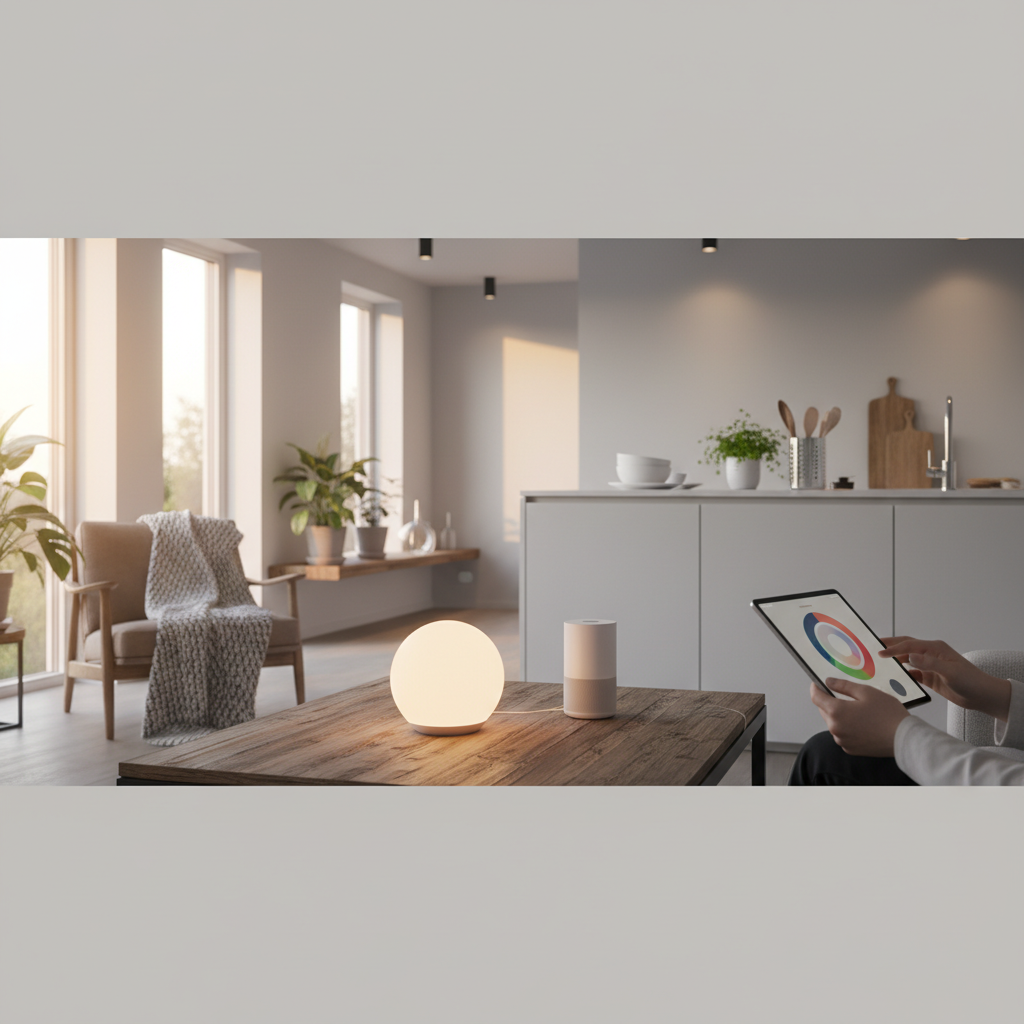
The Evolution of Residential Lighting Control
Historically, residential lighting control primarily involved simple on/off switches, with dimmers emerging as an early form of intensity adjustment. These mechanisms operated on basic electrical circuits, requiring direct physical interaction to alter a light's state. As technology progressed, wired multi-way switches and basic timers provided slightly more convenience, but lacked flexibility and remote accessibility.
The advent of digital communication protocols and network connectivity paved the way for more intelligent control systems. Early iterations often involved proprietary systems with dedicated keypads and central controllers. The modern era of smart lighting, however, is characterized by its integration with broader smart home ecosystems, leveraging wireless communication and internet connectivity to offer unprecedented levels of control and automation.
Components of a Smart Lighting System
Modern smart lighting systems are composed of several interconnected elements, each contributing to their overall functionality and flexibility.
Smart Bulbs
Smart bulbs are light-emitting diodes (LEDs) equipped with embedded communication technology, such as Wi-Fi, Bluetooth, Zigbee, or Z-Wave. These bulbs can be controlled wirelessly, allowing for adjustments to brightness, color temperature (from warm to cool whites), and in many cases, a full spectrum of colors. Some smart bulbs connect directly to a home Wi-Fi network, while others require a central hub to translate signals from a control device to the bulb using a specific low-power radio frequency protocol.
Smart Switches and Dimmers
Instead of replacing individual bulbs, smart switches and dimmers replace traditional wall switches, controlling entire lighting circuits. These devices offer the advantage of allowing traditional bulbs to be operated as part of a smart lighting system, retaining the familiar physical control interface while adding smart capabilities. They can often be wired directly into existing electrical systems or may come as battery-powered, wireless alternatives that adhere to a wall surface, sending commands to a connected hub.
Smart Plugs
Smart plugs extend smart control to non-smart lamps and appliances. By plugging a traditional lamp into a smart plug, the lamp can then be turned on or off, and sometimes dimmed, via a smart home application or voice command. This offers a cost-effective way to integrate existing lighting fixtures into a smart home setup without replacing bulbs or switches.
Control Hubs and Gateways
Many smart lighting systems, particularly those utilizing Zigbee, Z-Wave, or Thread protocols, rely on a central control hub or gateway. This device acts as a bridge between the various smart lighting components and a home's Wi-Fi network and the internet. The hub translates commands from a smartphone app or voice assistant into the specific language understood by the smart bulbs or switches, and vice-versa. Hubs are crucial for ensuring interoperability between devices from different manufacturers and enabling complex automation routines.
Control Methods for Smart Lighting
The versatility of smart lighting stems from the diverse array of methods available for its control.
Mobile Applications
Dedicated mobile applications provide a comprehensive interface for configuring and controlling smart lighting. Through these apps, users can adjust brightness, change colors, set schedules, create custom lighting scenes, and group multiple lights for simultaneous control. Remote access capabilities often allow for control of lights from outside the home, enhancing convenience and security.
Voice Assistants
Integration with voice assistants like Amazon Alexa, Google Assistant, or Apple Siri enables hands-free control of smart lighting. Simple spoken commands can turn lights on or off, adjust brightness, or activate pre-set scenes. This method offers immediate and convenient interaction, particularly in smart homes equipped with smart speakers or displays.
Motion and Occupancy Sensors
Motion and occupancy sensors detect movement or presence within a room. When integrated with smart lighting, these sensors can trigger lights to turn on automatically upon entry and turn off after a period of inactivity. This automation enhances convenience and can contribute to energy savings by ensuring lights are only active when needed.
Timers and Schedules
Smart lighting systems allow for the creation of detailed timers and schedules. Lights can be programmed to turn on or off at specific times of day, mimic natural sunrise or sunset, or adjust their intensity and color throughout the day to support circadian rhythms. This level of automation provides consistent lighting environments without manual intervention.
Physical Smart Switches
Despite the advanced digital control options, many smart lighting systems offer physical smart switches that maintain a familiar tactile interface. These switches can be programmed to control individual lights, groups of lights, or activate specific scenes, offering a convenient alternative for occupants who prefer traditional wall-mounted controls.
Benefits and Applications of Smart Lighting
The integration of smart lighting into a residential environment offers several tangible benefits and diverse applications.
Enhanced Ambiance and Customization
One of the primary advantages of smart lighting is the ability to precisely tailor the atmosphere of a space. Occupants can adjust light intensity and color temperature to suit different moods or activities, from bright, cool light for focused work to warm, dim light for relaxation. Color-changing bulbs further expand creative possibilities, allowing for themed lighting or decorative effects.
Energy Management
Smart lighting systems contribute to energy efficiency through several mechanisms. Features such as scheduling, presence detection via sensors, and fine-grained dimming capabilities reduce unnecessary power consumption. Lights can be programmed to turn off when a room is vacant or to dim during daylight hours, thereby optimizing electricity usage and potentially reducing energy costs.
Security and Presence Simulation
Smart lighting can enhance home security by simulating occupancy when residents are away. Lights can be scheduled to turn on and off randomly or follow a pre-programmed pattern that mimics a lived-in home, potentially deterring unauthorized entry. Remote control capabilities also allow users to turn lights on if an alarm is triggered or to simply make it appear as though someone is home.
Integration with Other Smart Home Devices
Smart lighting often functions as an integral part of a larger smart home ecosystem. It can be integrated with security systems, entertainment setups, and climate control. For example, lights might turn on automatically when a security camera detects motion, dim when a movie starts, or adjust in conjunction with changes in room temperature, creating synchronized and responsive home environments.
Considerations for Implementing Smart Lighting
When considering the adoption of smart lighting, several technical and practical factors warrant attention to ensure a successful and integrated setup.
Connectivity Protocols
Understanding the various connectivity protocols is essential. Wi-Fi smart lights connect directly to a home network but can sometimes contribute to network congestion. Bluetooth is suitable for local control but has limited range. Zigbee, Z-Wave, and Thread are mesh networking protocols that create a robust, self-healing network specifically for smart home devices, often requiring a dedicated hub. The emerging Matter standard aims to improve interoperability across different ecosystems and protocols, simplifying device selection and integration.
Compatibility and Ecosystems
Smart lighting devices often operate within specific ecosystems or are designed to be compatible with particular smart home platforms. It is important to consider the existing or desired smart home ecosystem (e.g., Apple HomeKit, Google Home, Amazon Alexa, Samsung SmartThings) to ensure seamless integration and avoid fragmented control interfaces. Some devices offer broad compatibility, while others are more restricted.
Installation and Setup
The complexity of installation varies. Smart bulbs are generally simple to install, screwing into existing sockets. Smart switches, however, may require basic electrical wiring knowledge for safe installation. Some users may prefer professional installation for wired components to ensure compliance with electrical codes and optimal performance. Initial setup typically involves pairing devices with a hub or a home network and configuring them through a mobile application.
Data Privacy and Security
As connected devices, smart lights transmit and receive data. Considerations for data privacy and cybersecurity are relevant. It is prudent to use strong, unique passwords, keep device firmware updated, and understand the privacy policies of the manufacturers. Securing the home network itself also forms a critical layer of defense for all connected smart devices.
More from home living
Smart Strategies for a Seamlessly Organized Bathroom Space
Transform your bathroom from cluttered chaos to a serene, functional space. Discover practical methods for organizing toiletries, linens, and cleaning supplies, enhancing daily routines and maintaining a tidy environment with ease.
Selecting and Using Efficient Air Purifiers for Improved Indoor Air Quality
Discover how air purifiers can significantly enhance your home's indoor air quality. Learn about common pollutants, essential filtration technologies, and key factors for choosing the right device to create a healthier living environment.
Smart Home Solutions for Enhanced Accessibility and Independent Living
Discover how smart home technology can significantly enhance accessibility and foster independent living for individuals of all abilities. Explore practical solutions for greater comfort, safety, and convenience in your daily routines.

Mastering Stain Removal: A Guide to Restoring Household Fabrics and Surfaces
Discover practical strategies for tackling common household stains on various fabrics and surfaces. This comprehensive guide provides actionable advice to help maintain the cleanliness and appearance of your home effectively.