
Understanding Smart Appliances and Their Integration in Modern Kitchens
Smart appliances have become an increasingly prominent feature in contemporary kitchens, transforming traditional culinary spaces into highly integrated and efficient environments. These devices extend beyond basic functionality, incorporating advanced connectivity and automation capabilities that allow for remote operation, data exchange, and seamless interaction with other smart home systems. The evolution of smart kitchen technology reflects a broader trend towards interconnected living, where everyday devices are designed to anticipate needs, streamline tasks, and provide users with greater control and convenience. This integration not only impacts daily routines by simplifying cooking and food management but also introduces new considerations regarding energy consumption, data security, and interoperability within diverse technological ecosystems. Understanding the mechanisms, benefits, and challenges associated with these intelligent kitchen solutions is essential for comprehending their role in modern domestic settings.
Defining Smart Appliances
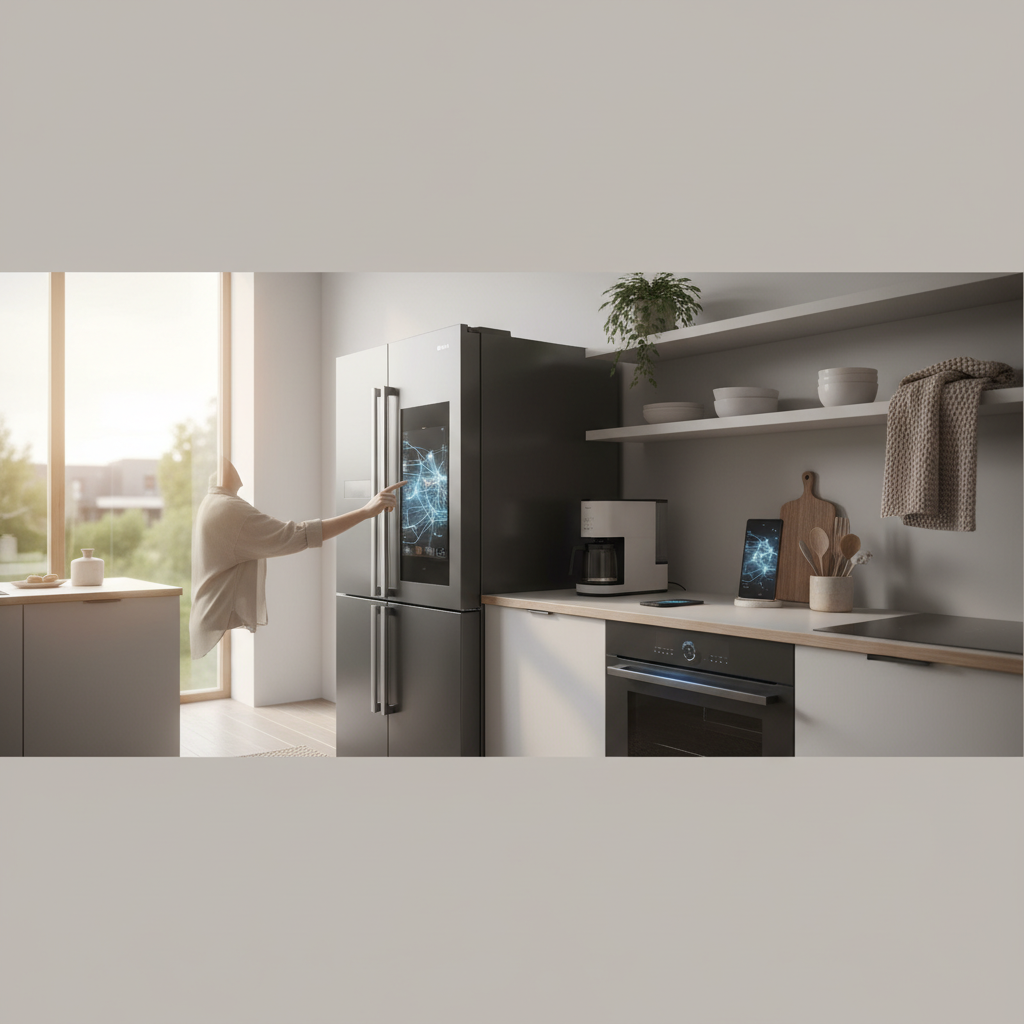
Smart appliances are household devices that connect to a network, typically Wi-Fi, enabling them to communicate with other devices or systems and often be controlled remotely. Unlike their conventional counterparts, smart appliances incorporate microprocessors, sensors, and software that allow for advanced features beyond their primary mechanical functions. In the context of the kitchen, this includes refrigerators that can track inventory, ovens that preheat based on calendar events, and dishwashers that optimize cycles based on load detection. The 'smart' aspect lies in their ability to receive, process, and transmit data, facilitating automated tasks, providing status updates, and offering personalized user experiences.
Types of Smart Kitchen Appliances
The range of smart appliances available for the kitchen continues to expand, encompassing nearly every major category of cooking and food storage equipment.
Smart Refrigerators
These units often feature internal cameras to view contents remotely, touchscreens for creating grocery lists, calendars, and even streaming entertainment. Some models can detect when food items are running low or nearing their expiration dates, potentially integrating with shopping services or suggesting recipes based on available ingredients.
Smart Ovens and Ranges
Connected ovens allow for remote preheating and temperature adjustments via a smartphone application. Advanced features include guided cooking programs, automatic shut-off functions, and integration with recipe platforms to automatically set cooking parameters. Some models also incorporate self-cleaning notifications and diagnostic capabilities.
Smart Dishwashers
Smart dishwashers offer remote cycle initiation, status monitoring, and notifications upon completion. Certain models feature sensors that assess the soil level of dishes, automatically adjusting wash cycles and water temperature for optimal cleaning and energy efficiency. They can also integrate with detergent reordering services.
Smart Microwaves and Coffee Makers
Connectivity in microwaves can enable pre-programmed cooking settings for specific foods or remote start functions. Smart coffee makers allow for scheduled brewing, remote activation, and customization of strength and temperature settings, often integrating with voice assistants for hands-free control.
Small Smart Kitchen Gadgets
Beyond major appliances, smaller devices like smart scales, blenders, and slow cookers also offer connectivity. These often provide recipe integration, precise measurement capabilities, and remote monitoring or control, further enhancing the automation of kitchen tasks.
Connectivity and Communication Protocols
The functionality of smart appliances relies heavily on robust connectivity and standardized communication protocols. Wi-Fi is the predominant method for connecting smart kitchen devices to the home network and the internet, facilitating remote control and data exchange. Bluetooth is also common for local, short-range communication, particularly for pairing with mobile devices or other nearby smart gadgets.
Beyond these, various proprietary and open-source communication protocols enable devices to interact. These include Zigbee and Z-Wave, which are low-power wireless mesh networks commonly used in smart home environments, as well as Matter, an emerging open-source connectivity standard designed to enhance interoperability across different brands and ecosystems. Understanding these protocols is crucial for comprehending how diverse smart devices can function together harmoniously within a single integrated system.
Key Features and Functionalities
Smart appliances offer a range of features designed to enhance convenience, efficiency, and safety in the kitchen.
Remote Control and Monitoring
One of the primary benefits is the ability to control appliances from outside the home or from another room. This includes preheating an oven on the way home, starting a dishwasher cycle, or checking the contents of a refrigerator.
Automation and Scheduling
Many smart appliances can be scheduled to perform tasks at specific times, such as brewing coffee in the morning or defrosting food. They can also automate actions based on certain conditions, like adjusting a refrigerator's temperature based on ambient room conditions or usage patterns.
Diagnostics and Maintenance
Smart devices often include self-diagnostic capabilities, notifying users of potential issues or required maintenance, such as a clogged filter or a faulty component. This can help in proactive problem-solving and extending the lifespan of the appliance.
Recipe Integration and Guided Cooking
Some smart ovens and cooktops integrate directly with recipe applications, automatically adjusting settings like temperature, time, and cooking modes as a user progresses through a recipe. This can simplify complex cooking processes and ensure consistent results.
Voice Assistant Integration
Compatibility with popular voice assistants allows for hands-free control of appliances, enabling users to issue commands, inquire about status, or activate features using spoken language.
Integration within Smart Home Ecosystems
Smart kitchen appliances do not typically operate in isolation; they are often part of a larger smart home ecosystem. This integration allows for synergistic functionalities where multiple devices work in concert to achieve broader goals.
For example, a smart refrigerator might add items to a digital grocery list, which can then be accessed by a smart display or a mobile shopping application. A smart oven could receive instructions from a smart scale or a meal planning app, automatically adjusting its settings. The goal of an integrated ecosystem is to create a seamless and responsive environment where devices communicate and anticipate user needs, often facilitated by a central hub or a universal smart home platform.
Energy Management and Efficiency
Smart appliances have the potential to contribute to energy efficiency within the home. By monitoring usage patterns, some devices can optimize their operation to consume less power. For instance, a smart dishwasher might delay its cycle to run during off-peak electricity hours, or a smart refrigerator could enter an energy-saving mode when no one is home. Remote monitoring also allows users to ensure appliances are turned off when not needed, preventing unnecessary energy consumption. However, the connectivity features themselves do require a small amount of power, which is a factor in overall energy considerations.
Data Privacy and Security Considerations
The extensive connectivity of smart appliances raises important considerations regarding data privacy and security. These devices collect various types of data, including usage patterns, settings, and sometimes even visual or audio information. This data can be transmitted to cloud services for processing and to provide advanced functionalities.
Safeguarding this information against unauthorized access is a critical aspect of smart appliance technology. Manufacturers typically implement security measures such as encryption, secure boot processes, and regular firmware updates to protect user data and the device itself from cyber threats. Users are encouraged to utilize strong, unique passwords for their Wi-Fi networks and smart appliance accounts and to regularly check for and install available software updates. Understanding the privacy policies associated with smart appliances is also important for informed usage.
Maintenance and Updates
Like all technology, smart appliances require ongoing maintenance and occasional updates. Firmware updates are regularly released by manufacturers to improve performance, add new features, address security vulnerabilities, and ensure compatibility with evolving smart home standards. It is generally advisable to keep appliance software up to date to maintain optimal functionality and security. Regular cleaning, adhering to manufacturer guidelines for care, and addressing diagnostic alerts promptly contribute to the longevity and efficient operation of these advanced kitchen devices.
Future Outlook
The landscape of smart kitchen appliances is continuously evolving, with ongoing advancements in artificial intelligence, machine learning, and sensor technology. Future developments may include more sophisticated predictive capabilities, enhanced personalization, and even greater integration with broader home and lifestyle management systems. The trend suggests an increasing emphasis on proactive assistance, where appliances can anticipate needs and offer solutions with minimal human intervention, further transforming the domestic environment.
More from home living

Smart Strategies for a Seamlessly Organized Bathroom Space
Transform your bathroom from cluttered chaos to a serene, functional space. Discover practical methods for organizing toiletries, linens, and cleaning supplies, enhancing daily routines and maintaining a tidy environment with ease.
Selecting and Using Efficient Air Purifiers for Improved Indoor Air Quality
Discover how air purifiers can significantly enhance your home's indoor air quality. Learn about common pollutants, essential filtration technologies, and key factors for choosing the right device to create a healthier living environment.
Smart Home Solutions for Enhanced Accessibility and Independent Living
Discover how smart home technology can significantly enhance accessibility and foster independent living for individuals of all abilities. Explore practical solutions for greater comfort, safety, and convenience in your daily routines.

Mastering Stain Removal: A Guide to Restoring Household Fabrics and Surfaces
Discover practical strategies for tackling common household stains on various fabrics and surfaces. This comprehensive guide provides actionable advice to help maintain the cleanliness and appearance of your home effectively.