
Understanding Wireless Communication Protocols in Smart Home Systems
The proliferation of smart devices in modern homes has transformed daily living, offering convenience through automation and remote control. Central to this interconnected ecosystem are wireless communication protocols, which serve as the foundational language enabling devices to communicate, exchange data, and execute commands seamlessly. Understanding these underlying technologies is crucial for homeowners seeking to design, expand, or optimize their smart home setups, as the choice and compatibility of these protocols directly influence device interoperability, network stability, and overall system performance. This article explores the primary wireless communication protocols utilized in residential smart environments, detailing their operational principles, comparative advantages, and implications for a cohesive smart home experience.
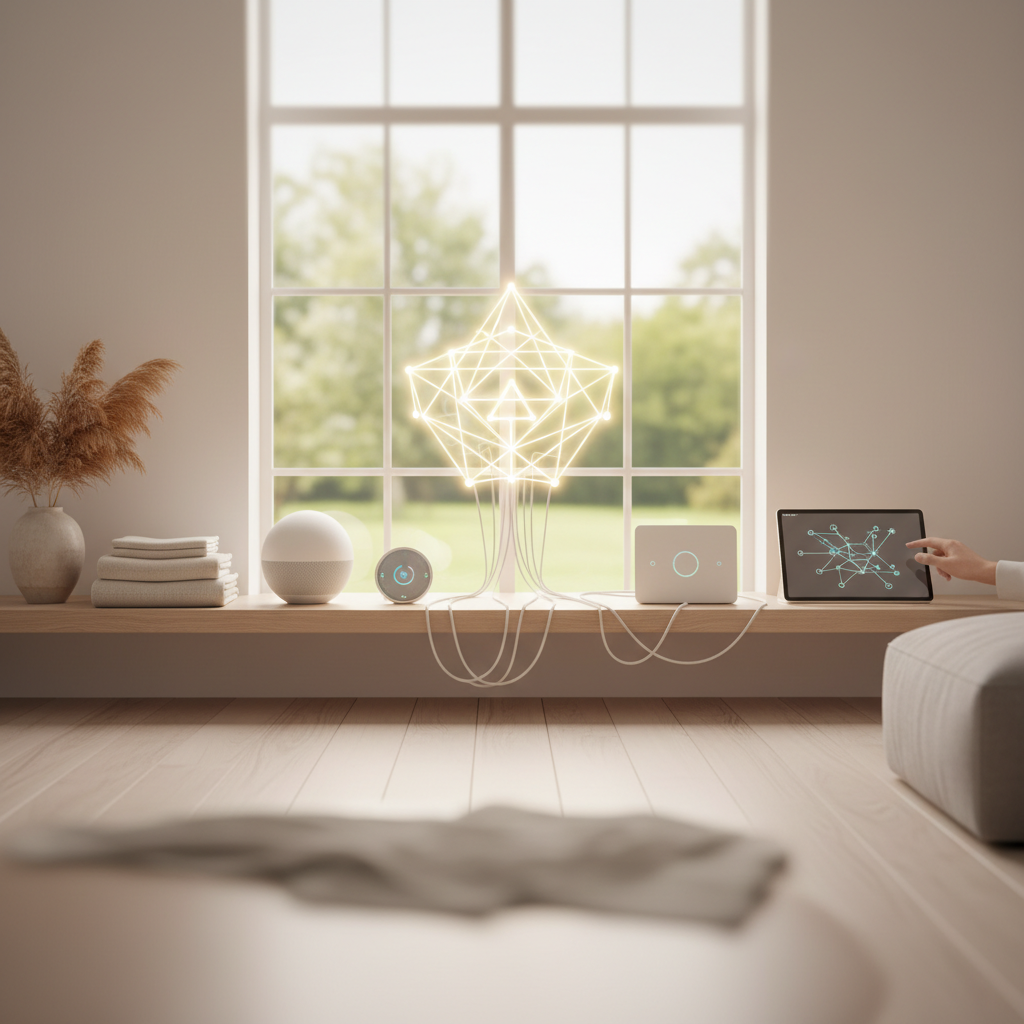
Core Wireless Communication Protocols
Wireless communication protocols establish the rules and formats for data exchange between devices. Each protocol possesses distinct characteristics that make it suitable for specific applications within a smart home ecosystem. A comprehensive understanding of these differences aids in the selection and integration of various smart devices.
Wi-Fi
Wi-Fi, based on the IEEE 802.11 standards, is a widely adopted wireless networking technology. It operates at high data rates and typically connects devices directly to the internet via a central router. Wi-Fi is well-suited for devices that require significant bandwidth, such as smart cameras for video streaming, smart televisions, and high-fidelity smart speakers. Its ubiquity means many devices are inherently Wi-Fi enabled, often eliminating the need for additional gateways. However, Wi-Fi devices generally consume more power compared to other smart home protocols, which can be a consideration for battery-operated sensors or smaller devices. The range of a Wi-Fi network can also be limited by physical obstacles and interference, potentially requiring extenders for larger homes.
Bluetooth and Bluetooth Low Energy (BLE)
Bluetooth is a short-range wireless technology primarily used for point-to-point communication between devices. It is commonly found in personal devices like headphones, smartphones, and wearables. Within the smart home context, Bluetooth enables direct control of nearby devices, such as smart locks that unlock as a user approaches with their phone, or smart light bulbs controlled via a mobile application in the same room. Bluetooth Low Energy (BLE), an optimized version of Bluetooth, is designed for low-power operation, making it ideal for battery-powered sensors, fitness trackers, and other small, intermittent data transfer devices. BLE devices can operate for extended periods on small batteries, but their range and data throughput are generally lower than standard Bluetooth or Wi-Fi.
Zigbee
Zigbee is a low-power, low-data-rate wireless mesh network protocol specifically designed for smart home and industrial automation applications. It operates on the 2.4 GHz frequency band, similar to Wi-Fi and Bluetooth. Zigbee's mesh networking capability allows devices to act as repeaters, extending the network's range and improving its reliability by creating multiple pathways for data transmission. This resilience is beneficial in environments with numerous devices. Common applications for Zigbee include smart lighting systems, thermostats, door/window sensors, and smart plugs. Devices using Zigbee typically connect to a central hub or bridge, which then translates the Zigbee signals for communication with other networks, such as Wi-Fi or the internet.
Z-Wave
Z-Wave is another prominent low-power wireless mesh network protocol tailored for home automation. Unlike Zigbee, Z-Wave operates on lower frequency bands (e.g., 868 MHz in Europe, 908 MHz in North America), which can provide better penetration through walls and fewer interference issues from Wi-Fi and other 2.4 GHz devices. Z-Wave is known for its strong emphasis on interoperability, with all certified Z-Wave devices designed to work together regardless of manufacturer. This simplifies device integration for users. Similar to Zigbee, Z-Wave networks rely on a central controller or hub to facilitate communication and provide internet connectivity. Z-Wave is widely used in smart locks, security sensors, lighting controls, and garage door openers.
Thread
Thread is an IP-based wireless mesh networking protocol built for smart home devices, emphasizing security, reliability, and low power consumption. It is designed to connect devices directly to the internet using standard IP protocols, eliminating the need for a dedicated gateway for every Thread device. Thread builds on existing technologies like IEEE 802.15.4 for its physical and MAC layers, similar to Zigbee. Its IP-based nature allows for seamless integration with other IP-enabled networks and cloud services. Thread devices form a self-healing mesh network, where each device can route data for others, enhancing network robustness. This protocol is gaining traction for its potential in creating more resilient and secure smart home ecosystems.
Matter
Matter is an emerging open-source connectivity standard developed by the Connectivity Standards Alliance (CSA), aiming to unify the smart home ecosystem. It is not a new wireless protocol itself, but rather an application layer that runs over existing IP-based networking technologies such as Wi-Fi, Thread, and Ethernet. The primary goal of Matter is to enhance interoperability, enabling smart devices from different manufacturers to communicate seamlessly with each other and with various smart home platforms. Matter simplifies the setup process and aims to provide a consistent, secure, and reliable user experience across a wide range of devices, including lighting, thermostats, locks, and sensors. Its introduction signifies a move towards a more cohesive and less fragmented smart home landscape.
Network Topologies
The arrangement and interconnection of devices within a smart home network are defined by its topology. The two most common topologies are star and mesh networks.
Star Networks
In a star network topology, all devices connect directly to a central hub or access point. Wi-Fi networks typically employ a star topology, with all devices communicating with the router. Bluetooth connections are also often point-to-point, forming a mini-star network between two devices. The advantage of a star network is its simplicity and centralized control. However, a failure of the central hub can disrupt the entire network, and the range is limited by the hub's transmission capabilities.
Mesh Networks
Mesh networks, utilized by protocols like Zigbee, Z-Wave, and Thread, feature devices that can communicate directly with each other and also relay messages for other devices. This creates multiple redundant paths for data transmission. If one device or path fails, data can still reach its destination via an alternative route, enhancing network reliability and extending its overall range. Each device capable of relaying acts as a repeater, strengthening the network. Mesh networks are particularly advantageous in larger homes or environments with many devices, as they minimize signal drop-offs and provide robust coverage.
Key Factors in Protocol Selection
When designing or expanding a smart home system, several factors influence the choice of communication protocols.
Range and Coverage Capabilities
Different protocols offer varying effective ranges. Wi-Fi typically covers a standard home but can struggle with range in larger residences or through dense building materials. Bluetooth has a limited short range. Zigbee and Z-Wave, with their mesh capabilities, can extend coverage significantly, as each powered device acts as a repeater. The physical layout of a home, including wall materials and interference sources, plays a critical role in determining effective coverage.
Power Consumption Characteristics
For battery-powered devices, power efficiency is a crucial consideration. Protocols like Bluetooth Low Energy, Zigbee, Z-Wave, and Thread are designed for minimal power consumption, allowing devices like sensors and smart locks to operate for months or years on small batteries. Wi-Fi, due to its higher data rates and constant connectivity, generally consumes more power, making it less suitable for devices that require long battery life without frequent recharging.
Data Throughput Requirements
The amount of data a device needs to send and receive influences protocol choice. High-bandwidth applications, such as streaming video from a smart security camera, are best suited for Wi-Fi. Protocols like Zigbee, Z-Wave, and BLE offer lower data throughput, which is sufficient for simple commands, sensor readings, and status updates from devices like smart lights, door sensors, or thermostats.
Interoperability and Ecosystem Compatibility
The ability of devices from different manufacturers to work together seamlessly is a key aspect of a cohesive smart home. Some protocols, like Z-Wave, have strict interoperability requirements. The introduction of standards like Matter aims to enhance cross-platform compatibility significantly, allowing devices to integrate more easily into various smart home ecosystems. Understanding which protocols a smart home hub or platform supports is essential for ensuring device compatibility.
Security Implementation
Security is paramount in any connected home environment. Wireless protocols incorporate various encryption and authentication mechanisms to protect data transmission and prevent unauthorized access. For instance, strong encryption standards are standard across modern Wi-Fi, Zigbee, Z-Wave, and Thread networks. It is important to consider the security features implemented by both the protocol and the specific devices themselves to safeguard personal data and privacy.
Scalability Considerations
Scalability refers to the ease with which new devices can be added to an existing network without degrading performance. Mesh networks, such as those built with Zigbee, Z-Wave, or Thread, are inherently more scalable as adding new powered devices can actually strengthen the network by providing more routing options. Wi-Fi networks can also be scaled, but adding too many devices can sometimes lead to network congestion or require additional access points.
The Role of Smart Home Hubs and Bridges
Smart home hubs, often referred to as gateways or controllers, serve as central command centers that bridge different communication protocols. They translate signals between devices using various standards (e.g., Zigbee to Wi-Fi, Z-Wave to Wi-Fi), allowing them to communicate with each other and with the internet. This enables a unified control experience through a single application or voice assistant, regardless of the underlying wireless technology of individual devices. Bridges perform a similar function but are often specific to a particular device type or protocol, extending the functionality of a particular ecosystem.
Emerging Trends and Future Directions
The smart home industry continues to evolve, with ongoing advancements in wireless communication. The advent of standards like Matter represents a significant step towards greater device interoperability and a more unified smart home experience. This trend is expected to simplify device selection and setup for consumers, reducing the complexity often associated with integrating diverse smart home products. Continued focus on energy efficiency, enhanced security, and broader adoption of IP-based protocols are also shaping the future of smart home communication, aiming to create more robust, secure, and user-friendly automated living spaces.
Understanding the various wireless communication protocols is fundamental to comprehending how smart homes operate. Each protocol offers unique advantages and considerations regarding range, power consumption, data throughput, and interoperability. By recognizing these distinctions, individuals can make informed decisions when selecting devices and building a reliable, efficient, and interconnected smart home environment.
More from home living

Smart Strategies for a Seamlessly Organized Bathroom Space
Transform your bathroom from cluttered chaos to a serene, functional space. Discover practical methods for organizing toiletries, linens, and cleaning supplies, enhancing daily routines and maintaining a tidy environment with ease.

Selecting and Using Efficient Air Purifiers for Improved Indoor Air Quality
Discover how air purifiers can significantly enhance your home's indoor air quality. Learn about common pollutants, essential filtration technologies, and key factors for choosing the right device to create a healthier living environment.
Smart Home Solutions for Enhanced Accessibility and Independent Living
Discover how smart home technology can significantly enhance accessibility and foster independent living for individuals of all abilities. Explore practical solutions for greater comfort, safety, and convenience in your daily routines.

Mastering Stain Removal: A Guide to Restoring Household Fabrics and Surfaces
Discover practical strategies for tackling common household stains on various fabrics and surfaces. This comprehensive guide provides actionable advice to help maintain the cleanliness and appearance of your home effectively.